Costa Rica: a journey to the origin of chocolate, amidst nature and ancestral traditions
From the Caribbean to the Northern Plains, different experiences invite you to follow the path of cacao from the tree to chocolate and discover its link with the culture, local communities and biodiversity of the country.
In Costa Rica, chocolate's story begins long before it becomes a bar. Its history lies in the cacao trees that grow among tropical forests, on small family farms, and especially in indigenous communities that keep alive knowledge passed down from generation to generation.
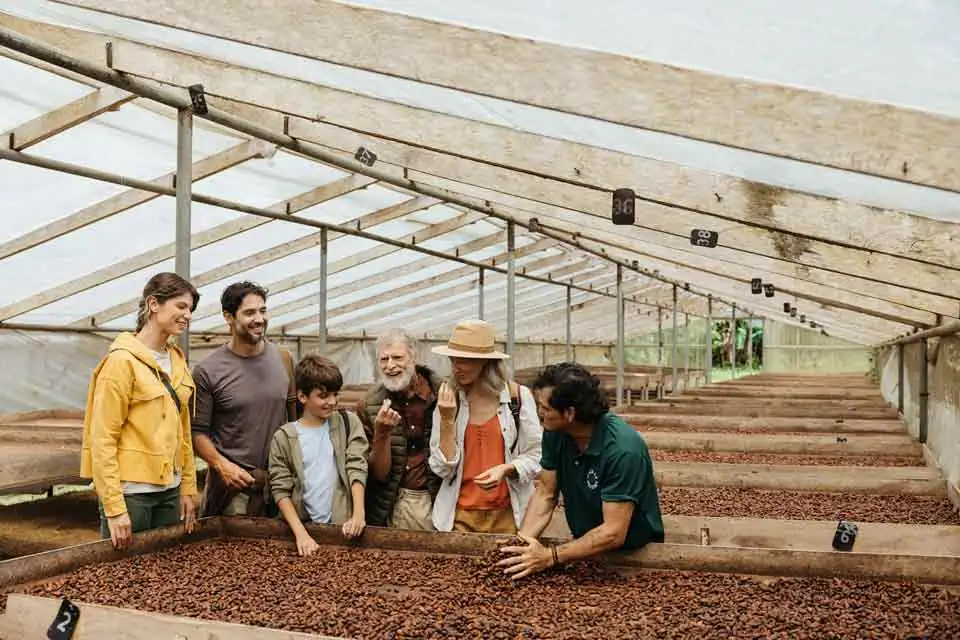
For indigenous communities, cacao holds profound cultural and symbolic value, present in their gastronomy, traditions, and worldview. Visitors to the region can explore this world through rural and community-based tourism experiences that allow them to learn about cacao cultivation and follow the process that transforms its beans into chocolate, from harvesting and fermentation to roasting and artisanal production. And, of course, to taste the final product.
Talamanca: cacao and ancestral flavors
In the Southern Caribbean lies one of the most profound experiences for understanding the significance of cacao in Costa Rica. The Bribri indigenous territory of Talamanca offers visitors the opportunity to discover cacao as a gateway to the culture and way of life of its communities. Local organizations and families welcome travelers to tour organic farms, learn about the traditional production process, and discover crops and medicinal plants. Some experiences also include gastronomy, hiking, waterfalls, and stories about the Bribri worldview.
In communities like Watsi and Yorkín, these tours allow you to share experiences with local families and understand the place of cocoa within a culture deeply connected to its environment.
From the Caribbean to the volcanoes: other experiences to discover.
Cacao also offers a way to discover other regions of the country. In Sarapiquí, in the Northern Plains, various experiences combine cacao plantations and chocolate making with the area's characteristic biodiversity. Around La Fortuna and the Arenal Volcano, tours can incorporate other products of Costa Rican agricultural culture, such as coffee and sugarcane.
Further north, in Bijagua de Upala, between the Tenorio and Miravalles volcanoes, family farms invite you to follow the process from the cultivation of the cacao to the making of the bars and participate in tastings of artisanal chocolate.
Cocoa also tells the story of Costa Rica
Its cultivation was already known to the indigenous peoples and, during the colonial period, it became an important economic activity in the Costa Rican Caribbean. Today, in addition to its agricultural and gastronomic value, it allows access to ancestral knowledge, strengthens entrepreneurial ventures, and generates opportunities for local communities.
Exploring Costa Rica through cacao offers a different way to discover the country. Because behind every seed there can be a forest, a family, centuries of tradition, and a way of understanding the relationship between people and nature.
About the Costa Rican Tourism Institute (ICT):
Founded in 1955, the Costa Rican Tourism Institute (ICT), together with its partners in the private sector, leads the vital task of regulating and promoting Costa Rica's extensive tourism offerings.