Cyril Lignac's essential cooking guide to transforming the texture and flavor of a homemade Bolognese
A quick Bolognese sauce often lacks aromatic depth.
A quick Bolognese sauce often lacks aromatic depth. Yet, prolonged simmering allows the meat to develop its full flavor. Cyril Lignac recommends a specific cooking time to transform this family classic into an exceptional dish.
The secret to a long, two-hour simmer is to tenderize the meat and tame the sharp acidity of the tomato.
Many cooks prepare their sauce in twenty minutes. However, cooking it too briefly leaves a sharp acidity. In fact, a long simmer of two hours tenderizes the meat. This continuous simmering results in a remarkably melt-in-your-mouth texture.
RTL radio even mentions a total cooking time close to three and a half hours. However, the two hours in the casserole dish form the heart of the process. During this stage, the juices from the beef and wine develop a profound aromatic harmony. The dish then acquires a perfectly syrupy consistency.
Key steps to master in the kitchen before the long simmering process to properly concentrate all the aromatic juices
To make this sauce successfully, the cook first orchestrates a methodical series of quick actions. This initial precision prevents the meat from losing its flavor and lays the foundation for the taste.
- Sweat half a chopped onion for three minutes in oil to release its sugars without any bitterness.
- Add the chopped carrot and one hundred and fifty grams of sliced mushrooms and cook for four minutes over low heat.
- Cook five hundred grams of minced beef for twenty minutes to eliminate the water and concentrate the juices.
- Incorporate the garlic, basil and semi-salted butter for five minutes to obtain a tasty caramelization of the juices.
- Deglaze the casserole with twenty-five centiliters of red wine to loosen all the roasted juices.
- Finally, pour in two hundred and fifty grams of tomato coulis, fresh thyme and a glass of water.
Thus, the filling achieves a remarkable balance within the first few minutes of cooking. This rigorous protocol guarantees a dense aromatic base before the long simmering phase.
Choosing a suitable container and controlling the temperature to prevent the sauce from sticking to the bottom
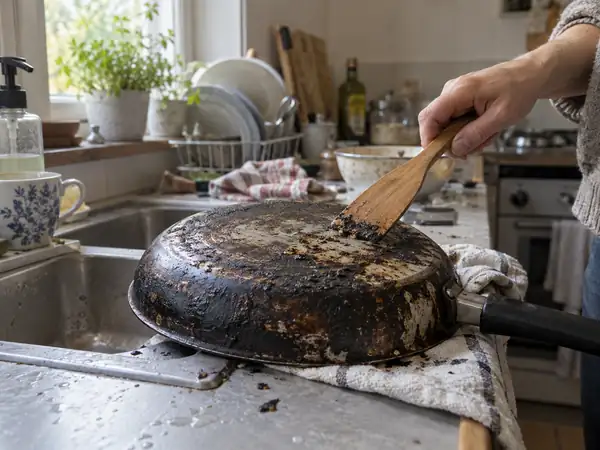
Using a heavy-bottomed pot ensures exceptionally even heat distribution. This prevents hot spots that can lead to an unpleasant burnt taste. Furthermore, a very low heat setting maintains a gentle simmer without drying out the food.
During these two hours, the cook gently scrapes the bottom of the pot. This regular movement prevents the tomato pulp from sticking to the metal due to the heat. Furthermore, the occasional addition of a splash of water ensures a smooth and perfectly blended sauce until serving.
The addition of a final creamy note and the multiple taste benefits of a recipe prepared the day before
At the very end of cooking, Cyril Lignac stirs in 150 grams of heavy cream. This fat coats the tomato, giving it an incomparable richness on the palate. Then, serving it immediately over al dente tagliatelle with Parmesan cheese perfectly complements the dish.
Such a concentration of flavors also allows for a clever reduction in volume without any loss of taste. For example, the chef might choose a leaner cut of beef and increase the amount of vegetables. Thus, mushrooms and carrots add richness while maintaining a light texture.
Furthermore, this recipe develops even more flavor after a night in the refrigerator. Resting allows the aromatics to infuse the meat. This dish is therefore a perfect option for a particularly indulgent batch cooking session.