Cultivated Meat Makes Major Step Toward Lab-Grown Steak
New research from EMBL Barcelona highlights a new method that could help cultivated meat make a quantum leap, making products like lab-grown steak accessible.
“Instead of growing each cell type separately and assembling them afterwards, we showed that embryonic stem cells can develop together and self-organize, mimicking real tissue development.”
The goal of cultivated meat, of course, is that one day meat can be more easily produced in labs as opposed to requiring living animals. There have been advancements in this sustainable alternative to meat production, yet something as complex as a steak has proven difficult.
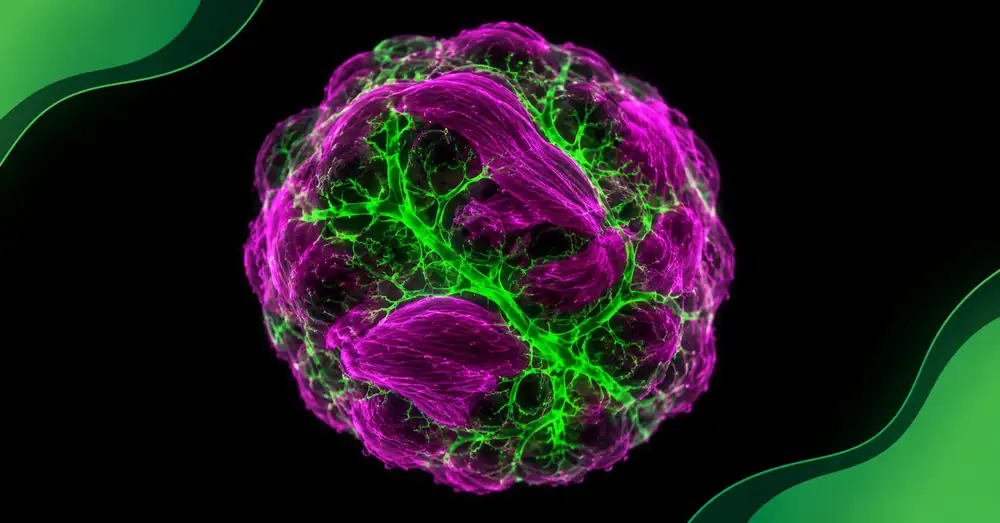
EMBL’s method grows self-organizing bovine tissues containing muscle, nerve, and blood vessel cells from a lab-grown line of bovine embryonic stem cells. Currently, approaches rely on stem cells from adult cows, which have limited capacity to divide and are already committed to becoming a certain type of tissue.
Embryonic stem cells, on the other hand, can proliferate for long periods and retain the ability to develop into various cell types.
Researchers at EMBL were able to generate three components of muscle tissue simultaneously: skeletal muscle cells, neurons, and endothelial cells, which can create blood vessels. The cells were then able to organize into three-dimensional tissue-like aggregates without requiring complex assembly techniques.
Cultivated Meat’s Major Issues
“One of the biggest challenges in cultivated meat is reproducing the complexity of real tissue,” said Marina Sanaki-Matsumiya, an assistant professor at the University of Tsukuba in Japan, in a press release.
“Instead of growing each cell type separately and assembling them afterwards, we showed that embryonic stem cells can develop together and self-organize, mimicking real tissue development.”
This advancement could be a step closer to producing steak in a lab, but much work remains.
The Obstacles Ahead
Researchers point out that EMBL’s finding represents an early proof of concept rather than a recipe for mass-producing cultivated steaks.
“The tissue we generated is still very small,” said Miki Ebisuya, a former group leader at EMBL Barcelona and a current Humboldt Professor at PoL-TU Dresden.
“To create something like a steak, we need much larger tissues with more mature blood vessel networks to sustain growth.”
Cost is another major hurdle in the development of lab-produced meat. Growing embryonic stem cells and directing their development currently requires expensive cell culture media and reagents, which makes large-scale production economically unfeasible.
Cultivated steaks aren’t quite within the public’s grasp just yet, but EMBL Barcelona’s research shows that such alt-meat products could eventually become a reality.
Food for Thought Leadership
Katy Coffield, CEO and co-founder of Foodie Tribe, and Hannah Gray, confectionery scientist and creator behind One Sweet Mama, speak about the evolving role of influencers in the food and beverage industry. The conversation explores how influencer marketing has matured, what brands should look for when selecting creators, and why micro-influencers can deliver outsized value through engagement, authenticity, and highly targeted audiences.