Our daily bread
The menu features produce from nearby farms and neighboring ranchers; some of their names are even listed next to each dish.
It's not a particularly bad bread; the same industrial bakery supplies some of the most prestigious tables in the country. It contains sourdough, whole wheat flour, and plenty of seeds coating the crust. Diners welcome it with open arms and begin nibbling at it before even tasting the first appetizer. It fulfills its purpose of discreetly accompanying what's truly important: the chef's creations. But bread wasn't always just a supporting player.
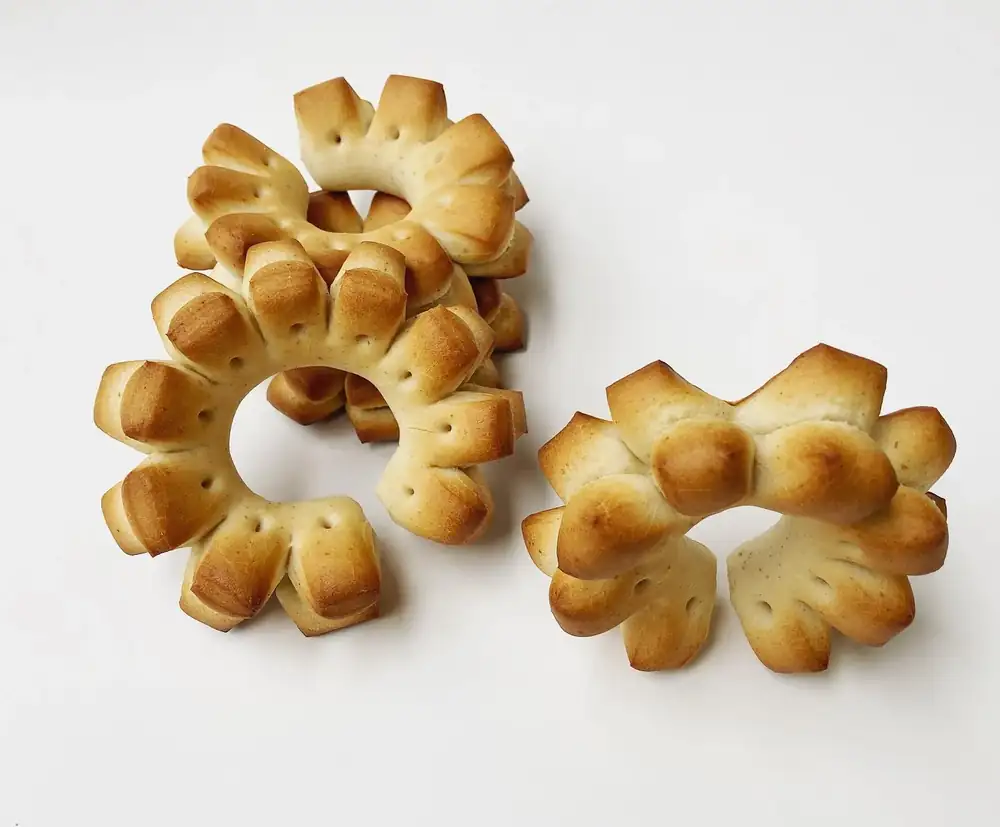
Even when restaurants make the effort to bake their own bread or buy it from an artisan baker, they rarely opt for local grains or revive traditional recipes. It's hard to find cornbread in a Basque restaurant or rustic bread in one from Málaga. The vast majority offer excellent, technically impeccable loaves, but they're all interchangeable. Gentrified loaves that could be served just as easily in Bilbao, London, or Copenhagen.
This week in Zamora, at the first edition of Panfest, there was much discussion about how bread reflects our landscape, our history, and our culture. Hopefully, this will spark a long-overdue conversation. Bread is rarely the excuse for travel, unlike wine, cheese, or olive oil. However, at every stop along the way, it's the first thing we put in our mouths. It used to be possible to recognize a place by its bread; today, that's increasingly difficult.
It is curious that a gastronomy obsessed with the origin of everything else barely takes advantage of the opportunity to have its customers mop up the plate with bread that reinforces that discourse.