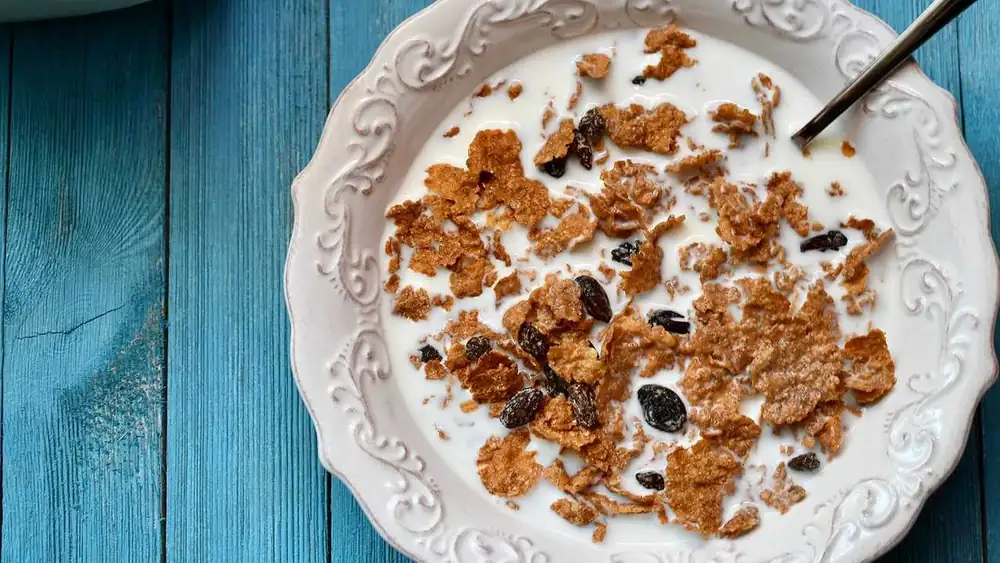
Are bran flakes junk food?
Very low in fat, high in fiber, highly satiating, and perhaps not the most flavorful: bran flakes are a product synonymous with a low-calorie diet, and it's unlikely anyone who's consumed them while dieting would even remotely associate them with the concept of junk food.
Yet the UK government is considering new reforms to promote healthy eating that could lead to them being classified as just another junk food. Authorities intend to update the country's nutritional profiling model to include naturally occurring free sugars, in addition to refined sugars, when determining a food's healthiness. Since bran flakes typically contain added glucose from natural ingredients such as corn or wheat starch to make them more palatable, they are likely to be considered high in fat, salt, or sugar under the new system.
Multinationals vs. the British Government
Dean O'Brien, CEO of Kellanova (formerly Kellogg Company), is understandably concerned about these changes, which have the potential to unintentionally undo years of work and investment by food companies to encourage healthier choices. He also emphasized the company's progress: "Over the past decade, Kellogg's has reduced sugar by 27% and salt by 22% in its cereals, and under current regulations, all of our children's cereals, and four of our five top-selling products, are considered healthy. However, under the newly proposed plans, cereals like bran flakes, which are high in fiber and low in saturated fat, would be reclassified as less healthy."
The Food and Drink Federation (FDF) also drew strong criticism, with its chief scientist, Kate Halliwell, stating: "Food brands have worked for many years and invested hundreds of millions of pounds to modify the products people know and love to make them healthier. The government's new proposals risk undermining this work by labeling a wide range of foods, from high-fiber breakfast cereals to fruit yogurts, as 'less healthy.'"
According to Halliwell, this move "creates confusion for consumers and for companies that have worked to help people meet government nutritional guidelines. In some categories, such as breakfast cereals, 'healthier' options will remain very limited, despite breakfast cereals being nutrient-dense and an easy and affordable option for families."