“Faire la goule”: the true Norman recipe for the dessert that Laurent Mariotte is bringing back into fashion
Back to school is tough, the days are getting shorter, and Laurent Mariotte has found the perfect antidote.
A name that comes from a grimace
It all starts with a strange word: teurgoule. Laurent Mariotte himself explains that this term comes straight from the Norman dialect and literally means "twist the mouth," or in other words, "twist the face." An expression that perfectly describes the reaction of the locals when they first discovered this dessert.
At the time, cinnamon was a rare, almost exotic spice, having just arrived on the Normandy coast thanks to maritime trade. The Normans, unaccustomed to its powerful taste, literally contorted their faces when they tasted it. Hence the name, which has remained in the regional culture ever since. One particularly striking detail: teurgoule is eaten piping hot, enough to make even the most impatient wince a second time.
This dish is therefore not just another sweet dessert. It carries within it a whole popular memory, that of a region that had to adapt, invent, and pass on its traditions. And it is precisely this history that makes the recipe so delightful to recount, even before tasting it.
Four ingredients to tell the story of an entire century
The strength of teurgoule lies in its radical simplicity. Rice, milk, cinnamon, sugar: four ingredients are all it takes to make this iconic 18th-century Norman dessert. But behind this simplicity lies a true confluence of historical circumstances.
According to the magazine Patrimoine normand, a specialist in regional culture, rice arrived in Normandy after a year of disastrous harvests. Faced with this cereal, completely unknown to the inhabitants, the intendant of the generality of Caen, François-Jean Orceau de Fontette, took a surprising initiative: he had recipes posted in the villages to teach people how to cook this new food.
To prepare it, the Normans relied on what they had on hand: milk, the region still being the second largest milk producer in France, and cinnamon, fresh off the ships. An unlikely combination that gave birth to a classic. Similar approaches can be found in other French culinary traditions, where necessity has often forged the best recipes.
Six hours of cooking and a sailors' legend
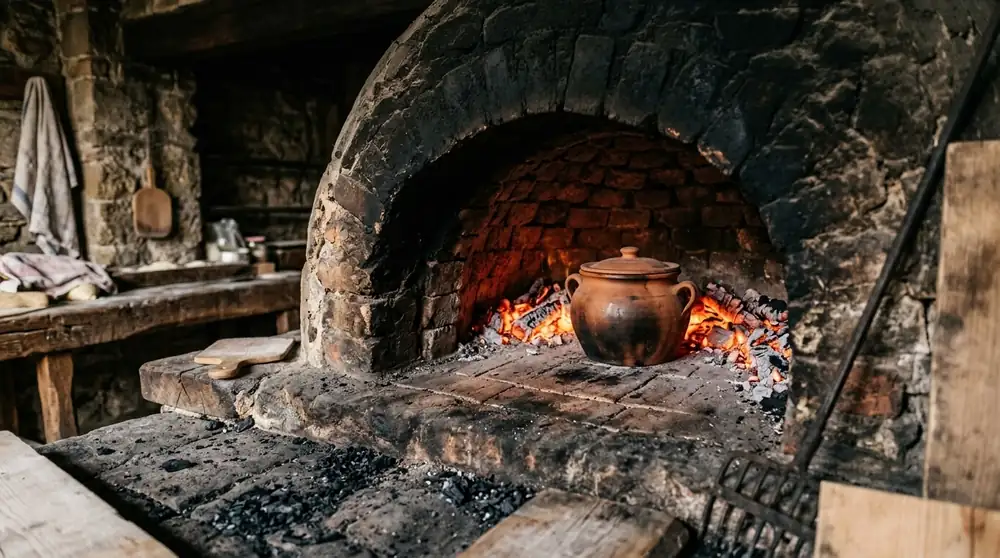
What truly distinguishes teurgoule from simple rice pudding is its golden crust and, above all, its cooking method. Forget the saucepan: this dessert simmers for over six hours in the oven, at a very low temperature. Historically, bakers would put it in the oven right after taking their bread out, to take advantage of the residual heat of the bakery. Nothing was wasted, everything was transformed.
A local legend adds another layer of emotion to this already historically rich recipe. Sailors' wives, it is said, would prepare teurgoule when their husbands set sail. The dish would simmer for hours, almost echoing the endless wait of the families left behind on land. Upon the ship's return, a warm and comforting dessert awaited them, a symbol of both patience and indulgence.
This story, recounted in detail on the Normandy Heritage website, explains why this dessert goes far beyond the simple status of a regional recipe. It embodies an integral part of Norman identity, blending maritime tradition with family heritage. And it is precisely this dimension that Laurent Mariotte wanted to highlight for his followers.
A name that makes you wince, a story of sailors, six hours of patient baking: teurgoule has all the makings of a classic we thought was forgotten. And what if it were precisely the perfect dessert to warm up those first cool September evenings?