Neither tripe nor stew: the sumptuous recipe forgotten in Madrid that even the locals no longer remember
The gastronomy of Spain's capital is among the most famous in the world, but amidst so much avant-garde cuisine there are traditional Madrid recipes that are being lost, and which are worth rescuing.
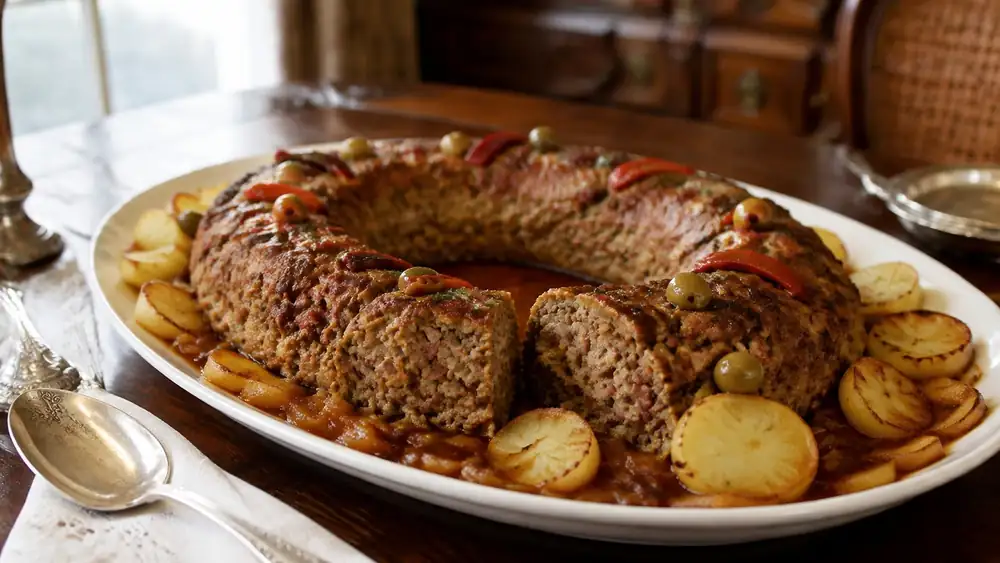
One of the most curious cases is the Madrid rosca, also known as the beef rosca, an almost forgotten meat dish that was once served in the wealthy homes of Madrid.
But beyond its origins in the wealthy homes of the capital, what's striking is its shape, the use of minced beef, and the sauce. At first glance, you might mistake it for a King Cake.
What is the Madrid ring-shaped pastry: the forgotten recipe of the capital of Spain
Of course, the Madrid-style rosca doesn't have the popularity of cocido or the tavern presence of callos, but it's a dish of aristocratic origin that you should eat sometime.
The meat mixture is worked into a dough and then cooked in a circular shape, leaving a central hollow, like a savory crown. This makes it particularly visually appealing.
As for the ingredients, the base is minced beef and according to each person's tastes, onion, egg, garlic, parsley, salt, pepper, breadcrumbs or bread soaked in milk, ham with bacon, pancetta and olives are added.
If you like, you can also garnish it with roasted peppers. While traditional recipes often use cheaper ingredients, the Madrid-style rosca stands out for precisely the opposite reason.
Why the Madrid-style ring-shaped cake was a dish for the rich
Unlike other recipes for using up leftovers, the Madrid rosca is not intended for survival, but for luxury and the upper classes of the city.
Here you don't cook just any leftover meat; you need good beef to mix, shape, and create a structure that's visually appealing.
For example, in one version, the preparation begins by mixing beef with garlic, onion, parsley, and wine, letting the mixture rest before adding the remaining ingredients. Then, beaten egg, ham, and bacon or pancetta are incorporated.
Depending on your preference, you can cook it in two ways. The traditional method involves browning it in oil, but you can also bake it in a baking dish for 30 minutes at 180 degrees Celsius (350 degrees Fahrenheit).
The best of Madrid's gastronomy that we cannot allow to be lost
Madrid's cuisine is much more than three or four famous dishes, and the problem is that, having so many, it is difficult to protect them all and ensure that they are not lost.
However, if we enjoy cooking and don't want to be limited to the cliché of a calamari sandwich, there's a whole Madrid to discover. The rosca madrileña is just one more example.
I promise you that if you put in a little effort, you will not only enjoy this meat dish, but you will also come across wonderful recipes such as alboronía madrileña, judías del tío Lucas, sopas de fideos en leche or gallinejas.
The problem is that many of these dishes stopped being prepared in restaurants and faded from collective memory. The good news is that some traditional taverns are reviving them.