Navratri 2026: Date, Time, Significance, Foods Allowed And Which To Avoid
Navratri is a different sentiment for Indians. Unlike other festivals that are celebrated by one particular region or a set of regions, Navratri is celebrated in one form or another all across India. In some homes, the first sign of the festival is a freshly cleaned puja room and a kalash waiting to be installed.
However, there are some basic guidelines for Sharad Navratri that help keep the religious fast on track for devotees, while following their respective household or local customs. As the autumnal Navratri is dedicated to the Adi Parishakti, or Maa Durga and her manifestations, according to regions and customs, the nine days and nights are centered around prayers, puja rituals, pandal hopping, jagratas, fasting, festive eating, as well as certain dietary restrictions for those following the sattvik or Vaishnava traditions. Though the festival holds different memories for all, it is also responsible for uniting people, irrespective of economic and social status.
When Is Navratri 2026? Dates And Timings Across India
This year, Sharad Navratri begins on Sunday, October 11, and the nine-day festival concludes on Monday, October 19. The same set of dates is commonly observed across India, although the way the festival is celebrated varies considerably from one region to another. The Pratipada tithi approximately starts at 9:19 pm on October 10 and ends at approximately 9:30 pm on October 11. This is where the distinction between a festival date and a puja muhurat matters. There is no sensible and fixed Ghatasthapana clock time for every Indian city.
The auspicious period is calculated using local sunrise as well as various other panchang considerations. For example, the 2026 Ghatasthapana window is 6:19 to 10:12 am in Delhi, 6:31 to 10:27 am in Mumbai, and 5:54 to 9:48 am in Varanasi, among others. The general rule is that Ghatasthapana or Kalash Sthapana should be performed during the early part of the day while Pratipada is prevailing, instead of following a clock time copied from another city. If you are observing the ritual, then refer to the local panchang for precision.
Why Is Navratri Celebrated?
At its heart, Navratri is a celebration of Shakti, the divine feminine power. The nine nights are associated with the nine forms of Goddess Durga (Maa Shailaputri, Maa Brahmacharini, Maa Chandraghanta, Maa Kushmanda, Maa Skandamata, Maa Katyayani, Maa Kaalratri, Maa Mahagauri, and Maa Siddhidatri), each carrying a different aspect of the deity's symbolism and worship, as she faced and defeated Mahishasur and his army of asuras and rakshasas. But for devotees, the festival means more than just the origin story, especially once you grow up.
The rituals create a distinctly festive daily rhythm: waking up earlier, visiting a temple or doing a puja at home, lighting a diya and incense sticks, maintaining a vrat, preparing bhog, and staying away from foods and items that are considered unsuitable for the period. Here, fasting becomes a deliberate and willing choice that transforms with dedication into spiritual discipline rather than just a seasonal, dietary experiment.
What Can You Eat During A Navratri Fast?
A vrat is not the same in every Indian household. Some people undertake a complete nirjala (no-water) fast, some eat one restrictive meal a day, many consume only fruits and milk, aka phalahar-only, while others eat cooked meals containing permitted fasting ingredients. Some households also follow additional rules around spices, salt, as well as certain vegetables.
Here is a compact yet comprehensive guide to foods that are commonly permitted in Navratri fasting traditions, especially those followed in northern, western, and central parts of India.
Fasting Grains, Pseudo-Grains And Flours
The usual cereal grains, such as wheat, rice, atta, maida, semolina, besan, and all kinds of regular flour-based foods, are avoided during a strict vrat. Instead, commonly used fasting ingredients include: sabudana, samak rice (barnyard millet), kuttu (buckwheat), singhara (water chestnut flour), rajgira (amaranth), makhana, and arrowroot. Quinoa can be a modern inclusion, depending on family and local vrat customs.
Vegetables
The vegetable list is considerably more diverse than the familiar potato and sabudana combinations. Commonly permitted vegetables other than the versatile tuber include: sweet potato, pumpkin, ash gourd (white pumpkin), lauki (bottle gourd), turai (ridge gourd), parwal (pointed gourd), plantain, yam, purple yam, arbi (colocasia), raw papaya, cucumber, carrot, tomato, spinach, beetroot, radish, ginger, and green chillies. However, this is where household rules matter, as some vrat traditions may accept vegetables such as spinach, tomato, carrot, and cucumber freely, while stricter traditions and certain communities may exclude them.
Fruits And Dairy
Fresh fruit is among the most broadly accepted fasting foods, with minimal restrictions: apples, bananas, pears, pomegranates, ripe papaya, guava, orange and other citrus fruits, sweet lime, grapes, watermelon, muskmelon, mango (if seasonally still available), pineapple, chikoo, coconut, berries, and any other locally available fresh fruits. Depending on your personal diet as well as household fasting rules, if dairy is permitted, then it can include: milk, curd, buttermilk, lassi, paneer, homemade chhena, ghee, and fresh cream.
Nuts, Seeds And Dried Fruits
In this case, you can opt for peanuts, almonds, cashews, walnuts, pistachios, raisins, dates, figs, makhana, coconut, pumpkin seeds, sunflower seeds, and watermelon seeds, among others. These are frequently used to make vrat-friendly snacks, chutneys, laddoos, kheer, and richer vegetable preparations.
Salt And spices
Sendha namak, or rock salt, is the salt type that is commonly associated with vrat food, as ordinary table salt is avoided in most fasting traditions. Similarly, in terms of spices and flavourings, not everyone makes the cut. Commonly used ingredients include: cumin, black pepper, green chilli, ginger, cardamom, cinnamon, clove, fennel, nutmeg, coriander leaves, lemon, and fresh herbs. Some households permit turmeric, while others leave it out. The same restrictions apply to hing, mustard seeds, sesame, and certain oils. This is why making a blanket statement that every spice is forbidden or that flavour is missing from vrat-friendly cooking is inaccurate and misleading.
What Is Usually Avoided During Navratri?
For a traditional grain-free vrat, the most commonly restricted foods are: wheat and wheat flour, rice, maida, semolina/sooji/rava, ordinary cereals, all dals and lentils, beans, chickpeas, rajma, peas, besan, corn, cornflour, ordinary bread and bakery products, pasta and noodles from regular grains, meat, chicken, fish, seafood, eggs, alcohol, and tobacco. Onion and garlic are also commonly avoided in sattvik-style Navratri cooking. Many devotees also avoid processed foods whose ingredients are unclear. Simply having a ‘vrat-friendly’ label does not automatically make every packaged snack Navratri-appropriate; reading and scrutinising the ingredient list still matters.
What To Eat Beyond Sabudana And Aloo
There is also no need for Navratri food to become a repetitive parade of fried potatoes and sabudana cutlets. For a simple and traditional approach, your fasting kitchen can produce diverse dishes, such as kuttu rotis with lauki or pumpkin, samak rice pulao with vegetables, rajgira chillas, roasted makhana with cumin and pepper, singhara flour pancakes, arbi with curd, stuffed baked sweet potatoes, pumpkin soup, peanut cucumber raita, fruit and dahi bowls, paneer with permitted vegetables, or a lightly spiced samak khichdi.
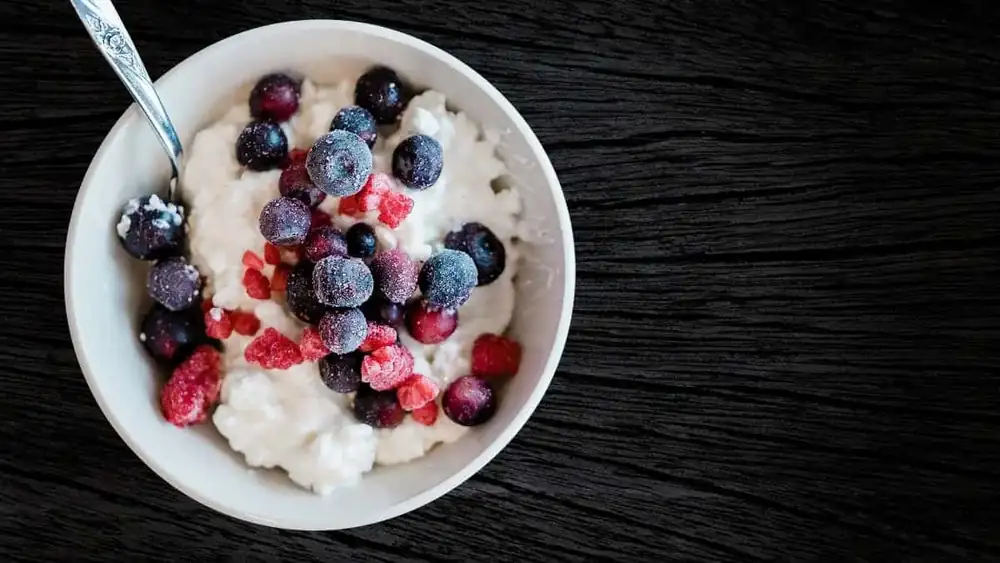
For something more contemporary and festive, the same permitted ingredients can become a baked rajgira tart base, makhana granola-style clusters, stuffed sweet potatoes, samak rice sushi-style rolls, or a chilled fruit and dahi parfait. The point is not to turn vrat food into a replica of ordinary food, but to work with the ingredients that your culinary and cultural tradition already provides in a bountiful manner.