Adjust this small dial on your vegetable drawer to keep your produce fresh twice as long
"I thought it was for the cold": this fridge dial put an end to my vegetable waste
Are wilted salads, blackening herbs and blemished fruits piling up in your fridge? This small dial on the vegetable drawer hides a setting that changes everything.
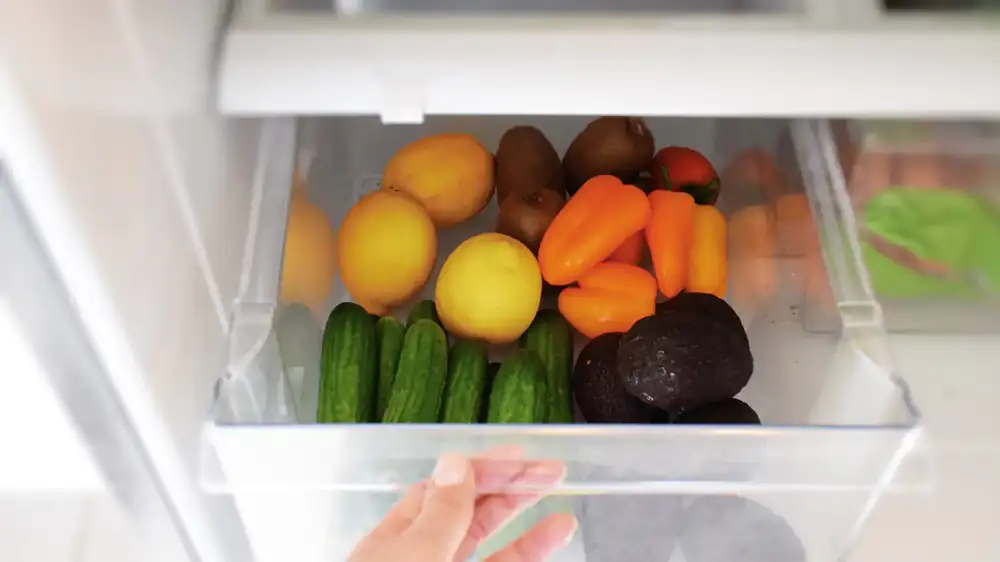
Wilted salad, blackened herbs, spotted zucchini: the vegetable drawer often resembles a small graveyard of fresh produce. Yet, right in front of this drawer, a small vegetable drawer control knob could keep these foods fresh up to twice as long if it were properly adjusted.
This dial or slider doesn't control the cooling, contrary to what many people think. It manages the humidity trapped in the crisper drawer, and therefore the rate at which fruits and vegetables wilt or rot. It's an almost invisible detail that makes all the difference to your grocery budget and reduces food waste… provided you know which way to turn it.
Vegetable drawer knob: the real purpose of this small adjustment
The dial on the vegetable drawer is a humidity control system that opens or closes a small ventilation flap. When the slider is closed, air circulation is limited, and high humidity remains trapped around the food. When it is open, air circulation increases, lower humidity reduces condensation, and some of the gases produced by certain fruits escape.
Among these gases, ethylene plays a key role. This natural compound, released by ripening fruits like apples or pears, accelerates the spoilage of nearby vegetables. A poorly adjusted drawer then becomes an accelerator of degradation. On many refrigerators, discreet pictograms provide helpful guidance: a leaf indicates humid mode, a fruit suggests wider ventilation.
Open or closed: the right setting for every fresh product
The practical rule can be summed up in a few words: what wilts needs moisture, what rots quickly needs air. Leafy greens like lettuce, spinach, parsley, or radishes with their tops thrive in a closed, very humid container, which limits dehydration and keeps them crisp. Conversely, products susceptible to mold or that produce ethylene keep better with more ventilation.
In a crisper drawer set to lower humidity, it's best to store fruits like apples, pears, or avocados, as well as vegetables that don't tolerate prolonged condensation well. When the refrigerator only has one drawer, the setting should be chosen based on what fills the drawer most after grocery shopping. If the family mainly consumes salads and fresh herbs, a closed crisper drawer is preferable, perhaps keeping a few fruits separate.
These mistakes in the vegetable drawer that ruin your efforts
A bad habit often sabotages the entire system: storing vegetables while they're still wet. A few drops left after rinsing are enough to create excess moisture, especially when the lid is closed. It's best to wash them just before cooking, or dry them thoroughly and use a paper towel, changing it as soon as it becomes saturated.
Another pitfall is mixing "bad neighbors": an apple left next to a salad will accelerate its wilting, even with the correct temperature setting. A food item that's already spoiled will do the same and contaminate the entire drawer. Some products simply don't belong there: potatoes, onions, garlic, and whole squash keep better in a dry, dark cupboard. A head of garlic left in a container that's too humid can start sprouting in just a few days.