Chef-in-residency programs move from fine dining to fast casual
Typically, we wait until three data points emerge to call something a trend, but in recent weeks two chains have introduced chef-in-residency programs, and as such programs have long been common at fine-dining establishments, we’re going to bend the rules a bit.
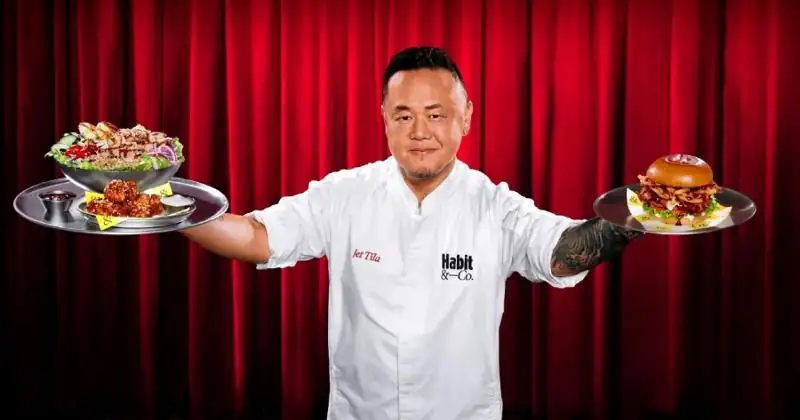
In July, Habit Burger & Grill launched Habit & Co., a platform aimed at bolstering menu innovation. The platform debuted with celebrity Chef Jet Tila, who created a Korean Street Menu featuring items like Crispy Rice Korean Salad and Korean Fried Chicken Bites. His menu was available for eight weeks.
Tila’s residency was followed by Los Angeles Dodgers Pitcher Alex Vesia’s eight-week “Double Play” menu, still available across the system. Vesia’s menu even features a new proprietary Strikeout Sauce. A third installment will follow in just a few weeks.
Meanwhile, earlier this week, Sweetgreen tapped cookbook author Molly Baz as its first chef in residence. As part of the fast-casual salad chain’s “Lunch Means Business” campaign, Baz has created three new menu items, including Molly’s Big Dill Caesar Wrap, Molly’s Pickle Caesar Sal, and Molly’s Double Chick Scoop.
Like Habit, Sweetgreen is also planning more chef residencies.
Now, Baz is a cook and recipe developer, while Tila is a James Beard Award-nominated chef. Vesia is neither of those, but rather a “top-tier culturally relevant collaborator” in Habit’s kitchen, according to the company.
And therein lies the inspiration behind such programs moving from beyond fine-dining establishments — where they’ve long been common — to fast-casual chains that are accessible to a much broader consumer base. A chef creating a limited-time menu that rolls out across a national system is just as much a marketing or content platform as a culinary one, while “culturally relevant collaborators” fit the same goal.
Vesia’s participation in Habit’s residency is arguably closer to the type of culturally relevant menu collaboration we’ve seen from chains like Chipotle (Mr. Fantasy Burrito, Salish Matter Order), Taco Bell (Olivia Rodrigo’s You Seem Pretty Pink for a Baja Blast), and Popeyes (Megan Thee Stallion’s Hottie Sauce).
That’s not to be dismissive of Habit’s program, but rather to point to the broader evolution taking place. As traffic remains difficult to capture, chains are looking for ways to make their food more culturally relevant and give consumers another reason to pay attention. Habit is a California-based brand and having a popular pitcher from the Los Angeles Dodgers provide a stamp of approval for an eight-week menu in the middle of Major League Baseball playoffs is a meaningful way to win mindshare.
At the same time, Tila and Baz bring something different: culinary credibility. That matters at a time when consumers are demanding higher quality food from their restaurants (which is why we’ve seen product upgrades from chains like Burger King, McDonald’s, Chili’s, BJ’s, and others).
Restaurants are in an all-out battle over traffic, which continues to fall (it was down 3.5% year-over-year last month, according to Revenue Management Solutions). Several chains, including McDonald’s, have responded by adjusting their marketing strategies and simplifying their calendars to reduce clutter. Increasingly, the focus is shifting back to the food.
What Habit and Sweetgreen are demonstrating is that chains may not have to choose between marketing and menu innovation. A well-designed residency can essentially do both — generate the cultural conversation of a marketing campaign while giving the food itself a culinary point of view. And that may be the bigger evolution here. The restaurant industry has spent years turning celebrity endorsements into menu items. Residencies take it one step further, turning the chef (or cook or celebrity), into a menu collaborator.
For chains, this approach gives customers a reason to not just talk about the person, but also the food — and perhaps even more reason to give it a try.