Don't Throw Them Away! These 5 Fruit Peels Are Rich in Nutrients and Can Be Consumed
Jakarta -
Fruit peels often end up in the trash. However, some fruit peels are actually edible due to their rich nutritional content.
Often discarded, some fruit peels actually contain nutrients. In fact, these parts, often considered inedible, can be processed into food.
Not only does it reduce food waste, eating the skin of the fruit can also increase your intake of fiber, vitamins, antioxidants, and minerals.
Some have even been processed into food. However, not all are safe to eat raw. Some require cooking first.
1. Mango
Mango skin is rich in vitamin C, vitamin E, and fiber. Studies indicate that 10 grams of mango skin contains approximately 3.6-7.8 grams of fiber.
Due to its nutritional content, mango peel is being researched for processing into a powder. This powder can be added to bread, pasta, and even jelly.
However, mango skin can also trigger allergic reactions in some people. Therefore, it's best to exercise caution if you've never consumed it before.
2. Bananas
Who would have thought that banana peels could be consumed? In some countries, the yellow part is even often used as a cooking ingredient.
Banana peels contain soluble fiber, which is good for digestion. They're also rich in antioxidants and various micronutrients.
The use of banana peels in cooking is nothing new. In fact, cookbook author Nigella Lawson once shared a banana peel curry recipe that went viral on social media.
3. Kiwi
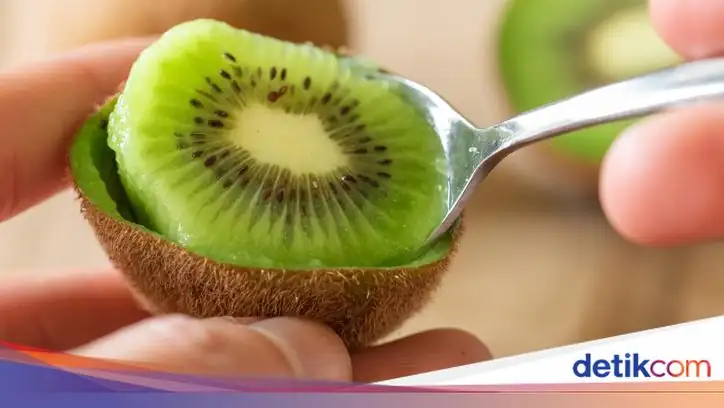
Kiwi skin has a hairy and slightly rough texture. However, it turns out that kiwi skin is edible. Kiwi can help improve digestion when eaten with the skin.
Studies show that consuming two kiwis per day can increase the frequency of bowel movements and help overcome mild constipation.
Kiwi skin contains fiber, which is essential for maintaining healthy bowel movements. Therefore, eating a whole kiwi can provide more fiber than just the flesh.
Don't like the fuzzy texture of kiwi skin? You can try the Gold kiwi, which has smoother skin.
4. Watermelon
The hard rind of a watermelon doesn't have to end up in the trash. The white part, including the rind, contains citrulline, an antioxidant, and minerals like calcium, magnesium, potassium, and iron.
Citrulline is a compound that helps regulate blood pressure. Its nutritional content has led to its use in various food preparations.
One popular dish is pickled watermelon rind. In the Southern United States, pickled watermelon rind is even known as a traditional dish.
5. Labu 'Winter Squash'
Winter squash skin is also safe to eat. While its texture is firm, the skin softens after cooking.
Research on butternut squash has found that its skin is rich in antioxidants. This content makes it a potential nutritional enhancer for dishes.
Additionally, they contain fiber. Acorn and Delicata squashes, on the other hand, have skins that tend to soften more quickly when cooked.
(raf/addr)