Feeding your body right during menopause
Published on
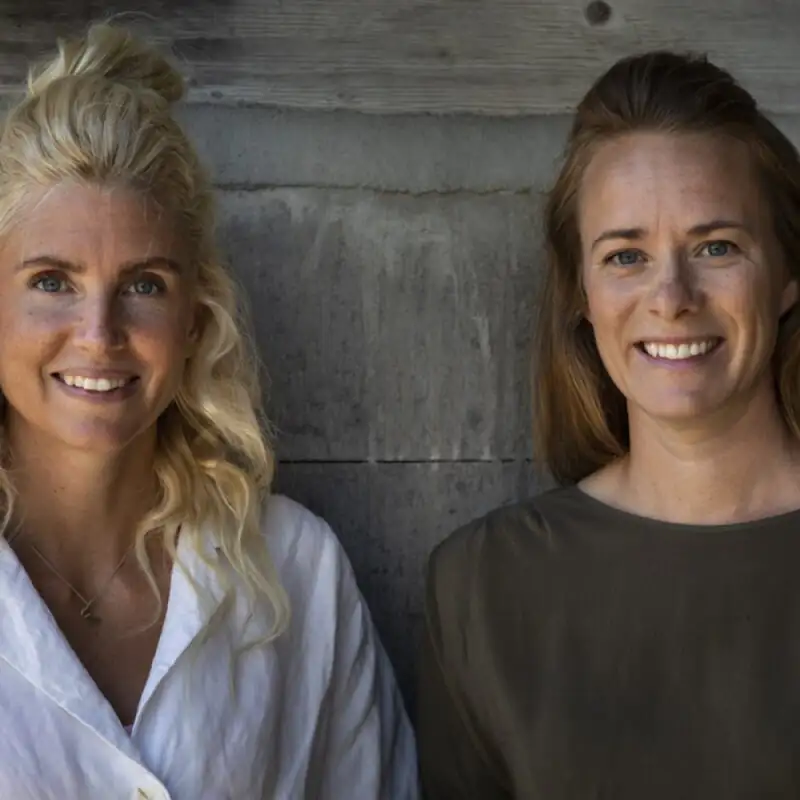
Menopause? Your body is changing, your sleep is disrupted and your hormones are on a roller coaster. But you don't just have to go along with the flow. Dietitians Caroline Wilbois and Johanna Andersson have released a cookbook that will help you take back control – whether you're going through it yourself or want to support someone you care about. We spoke to Caroline and Johanna about how the book came about, their best tips for feeling better and what their favorite recipe is in the new book.
Facts about Caroline and Johanna Live: Caroline and Johanna live 500 m from each other on Värmdö Do: Run a company together where they work as dietitians in public meals, clinical patient meetings, lecture and arrange food and training trips. Also run the Instagram account dietistensval where they share more food inspiration. Current with: our third cookbook – Eat for your age – cookbook and guide for you in menopause Something few people know about you or an unexpected trait: Something few people know is that we almost never follow recipes – not even our own. The best dishes often arise when you dare to improvise a little. How the book came about? We met women time and time again – both among our clients, course participants and friends – who asked the same questions: What should I actually eat during menopause? Why doesn't what worked before work? And how do I know what is actually correct among all the advice that abounds? At the same time, we saw how many felt anxiety, frustration and sometimes despair when their bodies changed and the answers were difficult to find. That's where the idea for the book was born. We wanted to create the book that we ourselves lacked – a practical and inspiring guide that is based on current research, but which is also easy to implement in everyday life. The goal has been to help women feel more confident in their choices, reduce stress around food and health and show that it is actually possible to eat well while taking care of your body through the different phases of life. For many, the transition to menopause is a difficult phase in life, what conscious choices can we make to feel better? There is actually a lot we can do to support the body during the transition to menopause and after menopause. Many people think primarily about relieving symptoms such as hot flashes, difficulty sleeping and energy dips, but just as important is preventing the ill health that can occur in the long term when estrogen levels drop. Estrogen affects, among other things, the skeleton, muscles, cardiovascular system and metabolism. Therefore, conscious choices about diet, physical activity, sleep and stress management can make a big difference – both for how we feel today and for our health in the future. When it comes to diet, it's not about strict diets or quick fixes, but about giving your body what it needs. Sufficient protein helps maintain muscle mass, calcium and vitamin D are important for bones, and a diet rich in vegetables, legumes, whole grains and healthy fats can contribute to better cardiovascular health. Hormone balance? What is it and what do I need to think about? "Eating for hormone balance" is a popular expression, but it is actually based on a clear physiological basis. Protein, healthy fats, vitamins and minerals act as building blocks in many of the body's processes, including hormone production. During menopause, however, diet cannot increase the body's own production of estrogen or stop the hormonal changes that occur naturally. What it can do is support the body through the change. A nutritious diet can contribute to more consistent energy, better recovery and increased well-being, while helping to reduce the risk of health problems that can become more common after menopause. In short: diet cannot control hormones, but it can give the body the best possible conditions to handle the change. What problems do you experience most commonly among women in midlife? The most common problem is ignorance about how the body changes after menopause. Many people are familiar with hot flashes, but fewer know that the risk of cardiovascular disease, osteoporosis and weight gain, among other things, increases when estrogen levels drop. However, with the right knowledge and lifestyle habits, it is possible to influence a lot and create good conditions for health well into old age. How can I feel a little better with your help? The cookbook is designed to make everyday food simple, since it is what we eat most often that has the greatest impact on how we feel - both today and in the long term. Small choices make a big difference over time. To make it even easier, we have also included ready-made weekly menus. The idea is to create good conditions and provide support in a phase of life when energy and stamina are not always there, but when the body still needs good food to feel its best. Any simple tips on how to get started on the right track? Our best tip is to start small. Choose a change that is close to how you already eat today and focus on adding something good, rather than taking away. It can be as simple as eating a few more vegetables, choosing legumes more often or making sure to get protein with every meal. Feel free to write down your goal and why it is important to you. This helps when motivation fails. Remember that new habits take time to build – small steps that work out are much more valuable than big changes that feel overwhelming. And perhaps most importantly: be kind to yourself. Health is not about perfection, but about the choices you make most often over time. What is your favorite recipe in the book? It's like asking which one is your favorite among your children! But if we had to choose, our quick protein rolls would be very high on the list – because who doesn't love freshly baked bread? They are stirred together in a few minutes, are high in protein, juicy thanks to zucchini and are just as good for breakfast as a snack. Another favorite is our beetroot bowl. It's colorful, filling and full of flavor with roasted vegetables, creamy beetroot puree, tofu, chickpeas and feta cheese. A dish that works just as well as a quick weekday dinner as when you want to treat friends to something really delicious. Your hottest tips right now in health and food? Our hottest tip right now is to dare to make room for more foods that contain phytoestrogens, such as soy, tofu, tempeh, edamame beans and legumes. Phytoestrogens are plant substances that have a weak estrogen-like effect in the body and can be a valuable element of the diet during and after menopause. But the most important advice is really to focus on the whole. Make sure you get enough protein, lots of vegetables, legumes and whole grains. What has surprised you recently when it comes to flavors? It's probably silken tofu. Many people may not think of tofu as something particularly exciting, but silken tofu is incredibly versatile. It works wonderfully as a base for stir-fries, dressings, dips and creamy sauces – while also contributing both protein and phytoestrogens. It's an easy way to make everyday meals a little more nutritious without compromising on taste, and it also gives a wonderfully creamy texture that goes with most things.
!["What ingredients do you always keep in stock?" <40,934 votes> [Tell us! Everyone's Clothing, Food, and Shelter "Everyone's Lifestyle Survey Team" Results Announcement, 667th Edition]](/static/img/a6a5b0a55d540fea_p.webp)