How to eat gluten-free without breaking the bank?
A gluten-free diet can seem daunting. Many people imagine it as restrictive and, above all, expensive. However, it's entirely possible to eat gluten-free without breaking the bank. Here are a few tips for combining a gluten-free diet with affordability.
Simple tips to avoid going broke
Start by avoiding substitute products. When you can no longer consume gluten, you're often tempted to turn to breads, cookies, or pasta labeled "gluten-free." However, these products are generally more expensive, more processed, and disappointing in terms of taste. It's better to learn to cook differently than to invest significant sums in these alternatives.
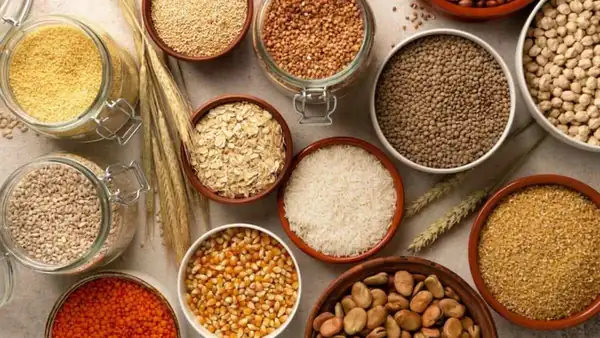
Following the same principle, opt for simple, naturally gluten-free products. There's no need to use a variety of specialized flour blends, which are often expensive. Rice, buckwheat, corn, or chickpea flours are excellent options for everyday cooking. For everything else, simply rely on rice, potatoes, sweet potatoes, buckwheat, corn, and legumes as their natural starchy foods for your daily intake.
Don't hesitate to compare different stores. Organic shops, discount stores, frozen food sections… prices can vary considerably from one store to another. Shopping around often leads to significant savings.
Finally… sometimes you have to get your hands dirty! Cakes, quiches, loaves, or even gluten-free breads are quite easy to make at home. The more you cook, the more you'll learn to use different flours and create delicious recipes without breaking the bank.
Celiac disease: reimbursement provided by Health Insurance
In certain specific cases, particularly when celiac disease is diagnosed, coverage by the French National Health Insurance (Assurance Maladie) can also reduce the cost. Coverage is reserved for patients whose diagnosis has been medically confirmed, generally by an intestinal biopsy. A request must then be submitted by the attending physician as part of a Long-Term Illness (ALD) program. Reimbursement applies to certain gluten-free products, such as bread, pasta, flour, and biscuits. It can reach up to €33.54 per month for children under 10 and €45.73 per month for adults and older children.
The content of this article has been reviewed and approved by Claire Trommenschlager, a registered dietitian nutritionist. With over 10 years of experience in patient support and the author of six books, she guarantees the scientific accuracy of the information shared. Her mission: to offer you reliable advice for combining a balanced diet, health, and enjoyment in your daily life, without any frustration.