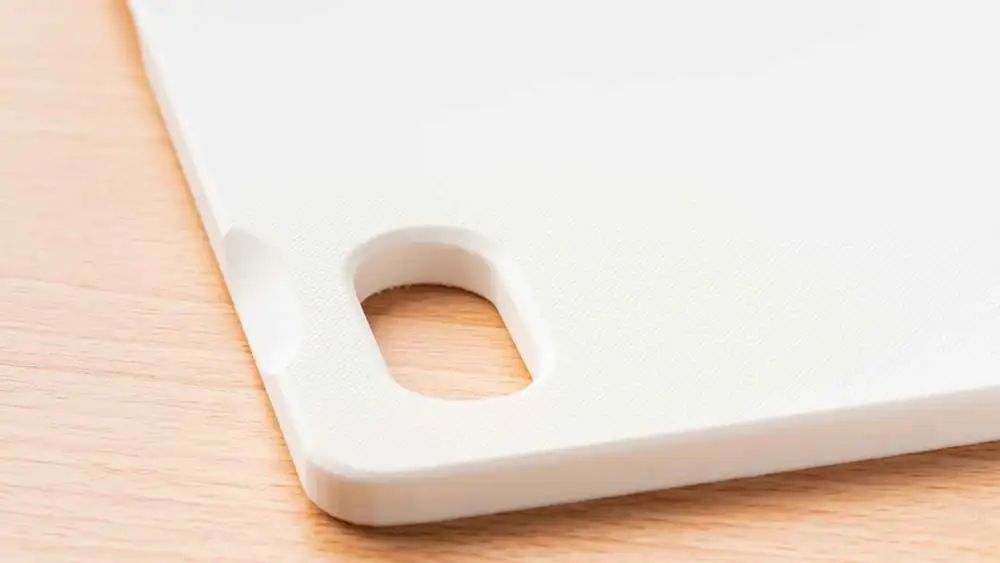
That hidden secret that our cutting boards never reveal
How many times have we rushed through dinner, slicing vegetables, meat, or bread on the same plastic cutting board, only to realize, after a few months, that the once-white surface has become covered in dark scratches and odors that are impossible to remove?
Plastic cutting boards are among the most used and indispensable tools in the kitchen: practical, economical, and lightweight, they quickly become the ideal receptacle for food residue and bacteria that stubbornly resist even after regular washing.
The real question, when we find ourselves staring at those stubborn stains and noticing an unpleasant odor that lingers even after we've soaped everything up, is how to really thoroughly clean plastic cutting boards without ruining them and without risking our health.
Invisible grooves: why a dishwasher isn't enough
The main problem with plastic cutting boards isn't the easily removable surface dirt, but the microscopic, deep grooves inevitably left by the knife blade during daily use. Each cut represents a small, invisible crevice where microscopic food residue, moisture, and bacteria can lurk, which normal dishwasher cycles or a simple wipe with a sponge struggle to reach.
We often tend to think that the heat of the dishwasher is enough to sterilize everything, but high temperatures can actually make the situation worse, causing the plastic to warp and deepening the cuts, making the surface even more porous and susceptible to future dirt. For this reason, relying solely on mechanical washing doesn't address the root cause of the problem and requires periodic targeted intervention.
The targeted treatment for effortless whitening and sanitizing
To restore your cutting board to its original state without using harsh chemicals, we can leverage the combined action of natural ingredients already in our pantry. An extremely effective method is to sprinkle the surface with baking soda and scrub vigorously with half a lemon: the acidity of the juice works on stubborn stains and odors, while the slightly abrasive texture of the baking soda lifts away dirt trapped in the grooves without further damaging the material.
Alternatively, if you're dealing with particularly stubborn stains, you can use a solution of hot water and white vinegar, letting it sit for about ten minutes before rinsing thoroughly with running water and carefully drying upright. A few simple steps are all it takes to extend the life of your cutting boards and keep your kitchen safe every day.