What if we ate properly instead of taking supplements? 10 foods to get you started, suggested by the expert
The best way to avoid supplements is to eat healthy (unless your doctor has recommended them)
One in two Italians consumes supplements: approximately 30 million people according to Nielsen data. This market is worth €5 billion a year, making us the second-largest European country in terms of revenue, with vitamin and mineral sales dominating the list.
A paradox: we are one of the countries with the greatest food biodiversity in the world, yet instead of naturally consuming these precious nutrients, we take pills. A bit like they do in the United States, except that their food culture is very different from ours.
When are ingratiators really needed?
Not that supplements are ever unnecessary. "They can be useful and, in some cases, essential," says nutritionist Simona Santini. "For example, in cases of increased nutritional needs such as pregnancy, breastfeeding, competitive sports, or vegan diets that exclude certain food groups. Furthermore, some supplements are very important for treating various conditions. In general, it's best to avoid DIY supplements. In most cases, a professional should recommend them," continues the expert.
How to replace supplements naturally
Eating properly, in fact, allows us to consume all the necessary nutrients: "A balanced, varied diet, with fresh, seasonal products that are rich in vitamins and minerals as well as being the most sustainable, ensures our body gets everything it needs," says Dr. Santini.
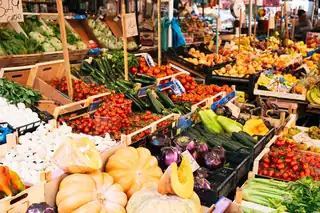
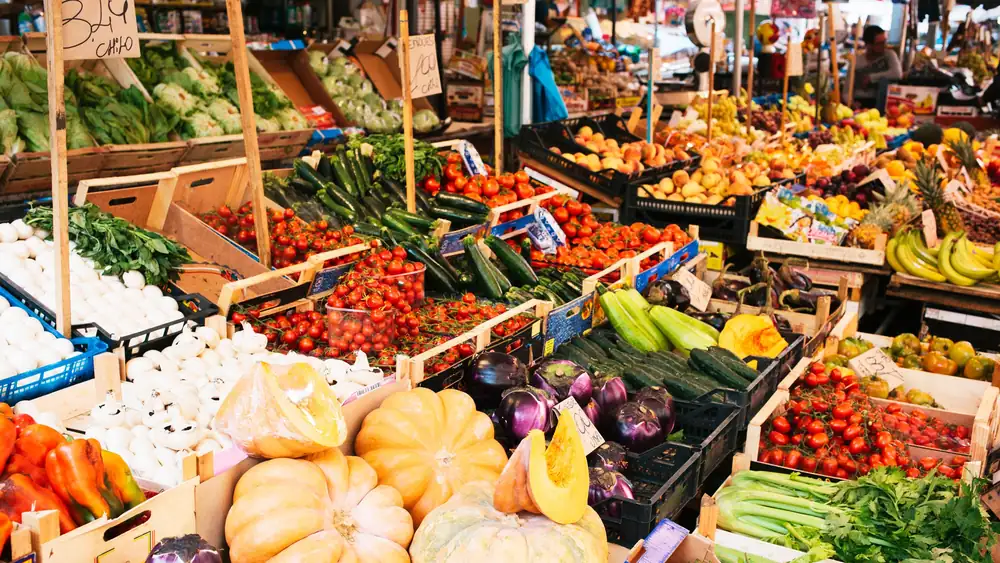
A concrete example? "Autumn is about to begin, and so is pumpkin, which is rich in carotenoids, including beta-carotene, a precursor to vitamin A and a compound with antioxidant action. It's also mushroom season, which provides B vitamins and minerals like potassium, phosphorus, copper, and selenium, and the first cruciferous vegetables arrive, like kale, which contains more potassium than bananas," advises Dr. Santini.
To guide us, we asked her for a handbook: ten food categories that should always be part of our diet to ensure we get all the nutrients we need. And yes, avoid supplements unless prescribed by a specialist.
10 foods to always eat (even) to avoid supplements
Rich in antioxidant polyphenols and monounsaturated fats, extra virgin olive oil, as part of a balanced diet, contributes to cardiovascular health.
Fish is another excellent source of good fats, rich in easily digestible proteins, vitamin D which promotes bone health, and B vitamins essential for cellular metabolism.
Very rich in antioxidants, vitamin B, minerals such as potassium, it is another excellent source of healthy fats.
They're extremely rich in protein, fiber (which promotes proper intestinal function), and minerals. Lentils, in particular, are among the best sources of iron, although in the non-heme form, which is less easily absorbed than the iron found in animal-based foods. Combining them with a source of vitamin C can promote absorption.
They are among the richest in vitamin C which strengthens the immune system, have a very low glycemic index and fight bad cholesterol.
They are richer in nutrients than refined ones because the grain is not damaged and therefore they retain valuable vitamins, minerals and fibre.
Among the many green leafy vegetables, spinach, chard, chicory, lettuce, and kale are essential: in addition to being rich in fiber, which also promotes a feeling of satiety, they are among the vegetables richest in folate, which promotes heart health.
They're a treasure trove of antioxidants, such as vitamin C, which contributes to the normal function of the immune system and the reduction of tiredness and fatigue. They also provide folate and carotenoids, some of which are precursors of vitamin A, important for healthy eyesight and skin.
Among the many vegetables, they deserve a place of honor because they are incredibly rich in antioxidants, particularly lycopene, which becomes more bioavailable when cooked and whose absorption is enhanced by the presence of fats, such as extra virgin olive oil. Yes, it's the classic tomato sauce we love so much with pasta.
A precious source of calcium that promotes bone health, yogurt and fermented foods in general are rich in lactic ferments that populate our intestinal microbiota with good bacteria, on which the overall health of our organism depends.