Pasta alla Norma, Made the Way It’s Meant to Be
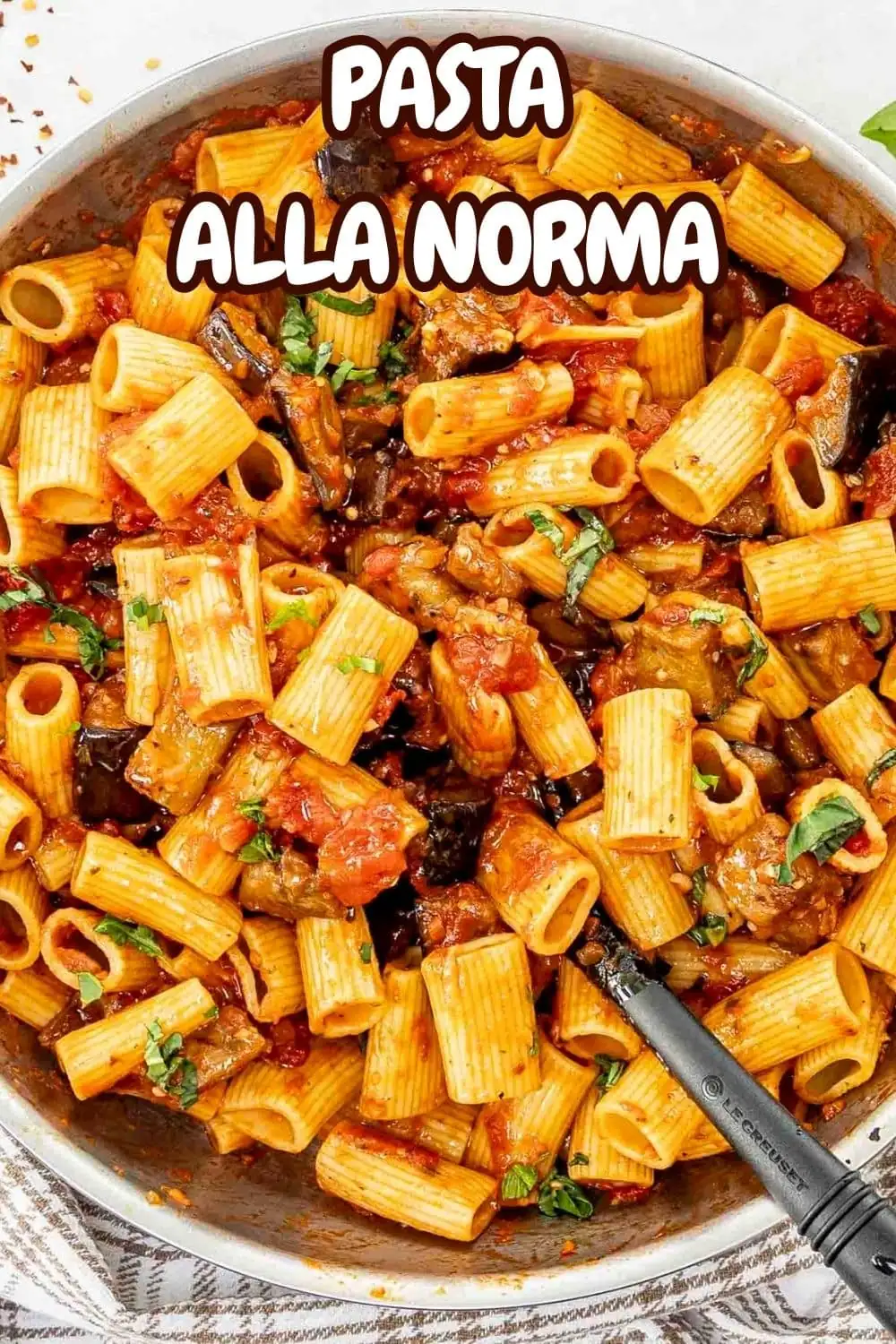
Pasta alla Norma is a classic Sicilian pasta made with eggplant, tomato sauce, basil, and cheese. It’s simple, comforting, and a solid vegetarian dinner you can make any night of the week.
- 1 large eggplant (cut into 1-inch cubes)
- 3 tablespoons olive oil (divided)
- 3 cloves garlic (minced)
- 1 small onion (finely chopped)
- 14.5 ounces diced tomatoes (1 can)
- 1 cup tomato passata (or tomato puree)
- 1 teaspoon dried oregano
- ½ teaspoon red pepper flakes (optional)
- 1 pound pasta (rigatoni, penne, or spaghetti)
- 1 cup Pecorino Romano (grated, or Parmesan cheese)
- fresh basil leaves (torn (for garnish))
- salt and pepper (to taste)
- Place the eggplant cubes in a colander and sprinkle generously with salt. Let them sit for about 20-30 minutes to draw out excess moisture. This step helps reduce bitterness and prevents the eggplant from becoming soggy during cooking.
- After salting, use paper towels or a clean kitchen towel to thoroughly pat the eggplant cubes dry, removing any excess moisture and salt.
- In a large skillet, heat 2 tablespoons of olive oil over medium-high heat.
- Add the eggplant cubes and cook, stirring occasionally, until they are golden brown and tender, about 8-10 minutes. You may need to cook them in batches to avoid overcrowding the pan. Remove the cooked eggplant and set aside.
- In the same skillet, add the remaining 1 tablespoon of olive oil. Add the chopped onion and cook until softened, about 5 minutes. Add the minced garlic and cook for another 1-2 minutes until fragrant.
- Stir in the diced tomatoes, tomato passata, dried oregano, and red pepper flakes (if using). Season with salt and pepper to taste.
- Bring the sauce to a simmer and let it cook for about 15 minutes, stirring occasionally, until it thickens slightly.
- While the sauce is simmering, bring a large pot of salted water to a boil. Cook the pasta according to the package instructions until al dente. Reserve about 1 cup of pasta cooking water, then drain the pasta.
- Add the cooked eggplant to the tomato sauce and stir to combine. Add the cooked pasta to the skillet, tossing to coat the pasta evenly with the sauce. If the sauce is too thick, add a bit of the reserved pasta cooking water to loosen it.
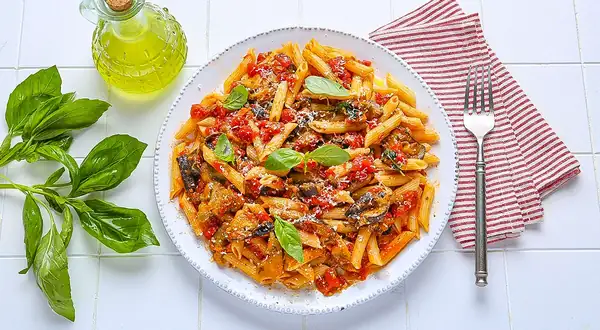
- Divide the pasta among serving plates. Top with grated Pecorino Romano and garnish with torn fresh basil leaves.
Eggplant is one of those ingredients that gets a bad reputation mostly because it’s been cooked badly for decades. When it’s handled properly, though, it makes a surprisingly solid base for dinner, especially in a dish like Pasta alla Norma where there’s nowhere to hide.
This is a classic Sicilian pasta, traditionally made with fried eggplant. I keep things a little more restrained here so the eggplant stays intact and actually feels like part of the dish instead of melting into the sauce. The end result is simple, comforting, and exactly what a good vegetarian pasta should be.
- Because this is what happens when a few ordinary ingredients are handled with intention instead of shortcuts. Nothing is dressed up, nothing is hidden.
- The eggplant is cooked just enough to hold its shape and just long enough to matter, so it actually earns its place in the bowl.
- The sauce is tomato based and unfussy, which is exactly why the whole dish works. There’s nowhere for mistakes to hide, and nothing needs rescuing.
- It’s the kind of pasta that feels complete as soon as it’s finished, not something that leaves you thinking about what else you should have added.
- And once you’ve made it this way, it’s very hard to imagine complicating it again.
Cut the eggplant into evenly sized cubes and place them in a colander. Sprinkle generously with salt and let them sit for 20 to 30 minutes. This step is about moisture, not bitterness. When the time is up, dry the eggplant thoroughly. If it’s damp, it won’t brown.
Heat olive oil in a wide skillet over medium-high heat. Add the eggplant in a single layer and cook until browned on all sides and fully tender, about 8 to 10 minutes. Work in batches if needed. Once cooked, remove the eggplant from the pan and set it aside. Don’t rush this step. Color equals flavor.
In the same skillet, add the remaining olive oil and cook the onion until soft and lightly golden. Add the garlic and cook briefly, just until fragrant. You want warmth here, not color.
Add the diced tomatoes, passata, oregano, and red pepper flakes if using. Season with salt and pepper. Bring the sauce to a gentle simmer and let it cook for about 15 minutes, stirring occasionally, until it thickens slightly and tastes balanced.
While the sauce simmers, cook the pasta in well salted water until just shy of al dente. Reserve about 1 cup of the pasta water, then drain.
Add the eggplant back into the sauce, then add the pasta. Toss gently to coat. Use a splash of the reserved pasta water if needed to loosen the sauce and help it cling to the pasta.
Do I really need to salt the eggplant?
If you want it to brown properly, yes. Salting draws out excess moisture so the eggplant cooks instead of steams. It’s less about bitterness and more about control. Skip it, and you’ll notice the difference.
Can I roast the eggplant instead of cooking it on the stove?
You can, but the texture will be different. Roasting works, but stovetop cooking gives you better control and keeps the eggplant intact. For this dish, that matters.
What’s the traditional cheese for Pasta alla Norma?
Ricotta salata is the classic choice. Pecorino Romano is a close second and much easier to find. Parmesan works too. The key is using a firm, salty cheese, not something soft or melty.
Can I make the sauce ahead of time?
Yes. The sauce can be made a day or two in advance and refrigerated. Reheat it gently, cook the pasta fresh, and bring everything together just before serving.
Why does my eggplant sometimes turn mushy?
Usually it’s one of three things: the pieces are cut too small, the pan is overcrowded, or there’s too much oil. Any one of those will break it down before it has a chance to brown.
How do leftovers hold up?
They keep well for about 2 days in the fridge. Reheat gently on the stove with a small splash of water or olive oil to loosen the sauce. The eggplant will soften a bit, but the flavor is still very good.
Simple ingredients, careful technique, and a balanced sauce come together to make a vegetarian main that feels complete without needing anything else.