Dulce de Leche Cortada
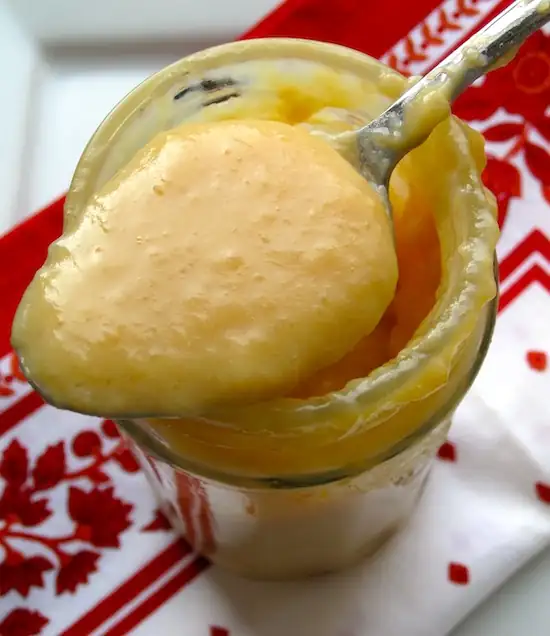
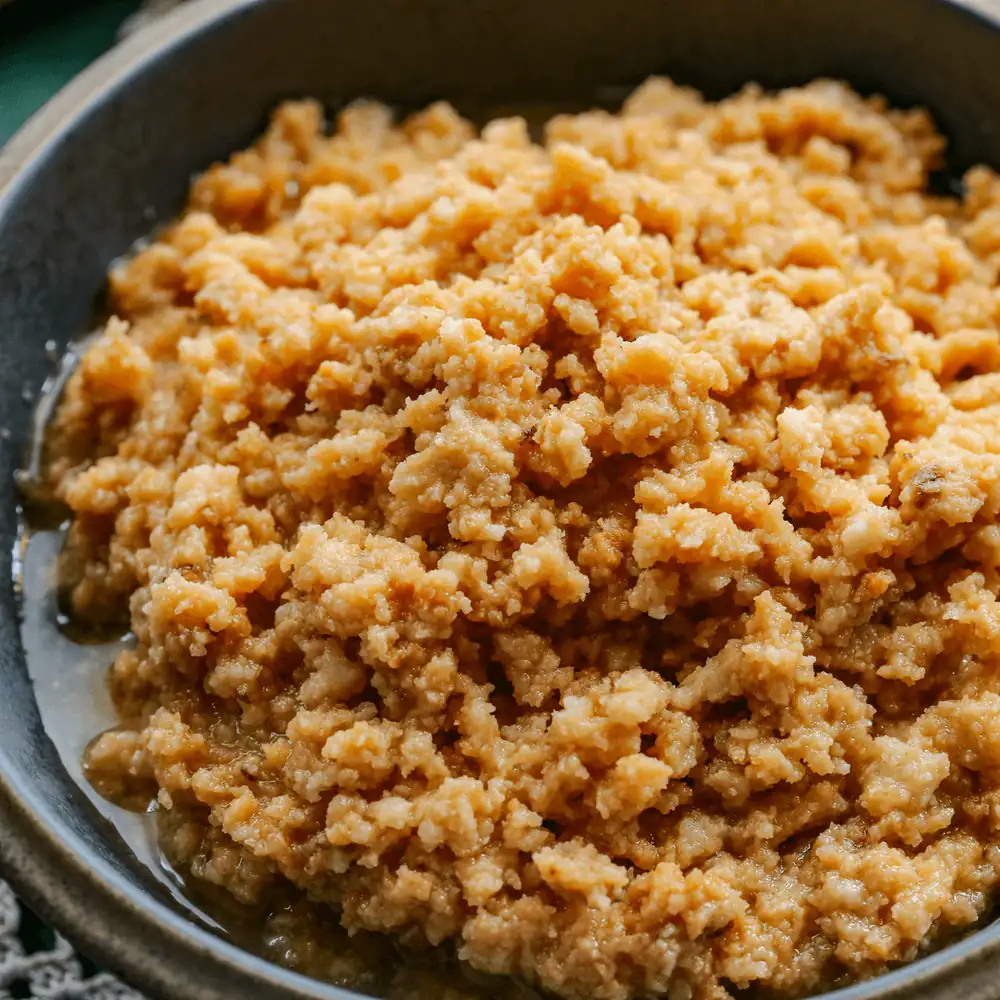
Dulce de leche cortada is a traditional Latin dessert made by transforming sour milk into sweet, tender curds that have been simmered with sugar, cinnamon, and citrus.
- 8 cups milk (whole)
- 1 cup white sugar
- 1/4 cup turbinado sugar
- 3 cinnamon sticks
- 1/4 cup lemon juice
- 2 inch lime peel
- 1/4 inch orange peel
- Add the milk, sugar, cinnamon sticks, and citrus peel to a large pot. Heat over medium heat, stirring occasionally, until the milk reaches about 180°F and begins to steam.
- Reduce the heat slightly and stir in the lemon juice. Stir gently 2 to 3 times, then stop stirring. Allow the milk to begin separating into curds and whey.Allow the mixture to cook gently for 60-90 minutes, adjusting the heat as needed to maintain a gentle simmer.
- Once curds have formed, reduce the heat to medium-low. Continue cooking gently for 45-60 minutes, occasionally tilting the pot from side to side if needed to prevent sticking. Avoid vigorous stirring, which can break apart the curds.The dessert is ready when the curds are tender and the syrup has lightly reduced, and developed a pale golden color.If you prefer firmer, more defined curds, continue cooking for an additional 10-20 minutes, keeping a close eye on the pot to prevent scorching.
- Remove from heat and allow the dulce de leche cortada to cool slightly. Gently stir once to redistribute the syrup. Transfer to an airtight container and refrigerate until chilled.Serve cold or at room temperature.
Also known as sweet curdled milk, this dessert falls somewhere between sweet cream, caramelized milk, and fresh cheese (that's very sweet). If you like milk fudge, flan, or rice pudding, then you may love this!
Why Make Dulce de Leche Cortada?
There are two reasons to make this sour milk curdled dessert. One is necessity, and the other is nostalgia.
What began as a practical way to avoid wasting milk became a foundational recipe in the Latin community.
The history of dulce de leche cortada is rich, old, and worldwide. But, the tradition of passing down this historic recipe is at risk of being forgotten as the need for it is going away with modern kitchens.
Making this recipe allows us to connect with our past while ensuring it stays alive and can be passed on to the next generation. When I was testing out this recipe recently, I had all five of my kids try it, and there were definite mixed reviews.
The consensus was that it's an acquired taste. The ones that enjoyed it loved it and the other ones, well, we're working on it. I guess I have to just keep making it!