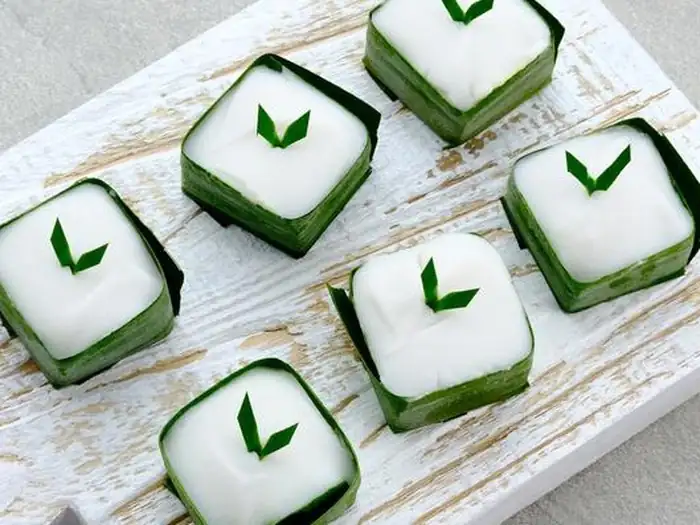
The Origins of Talam Cake, a Typical Betawi Snack Since the 16th Century
Jakarta -
Kue talam is a popular traditional snack. This Betawi specialty has a long history, dating back to the 16th century. Here are some interesting facts!
Kue talam is a traditional Betawi snack and a popular market snack. It has a chewy, soft texture with a sweet and savory taste.
The main ingredient in talam cake is rice flour, usually mixed with tapioca flour. Its savory flavor comes from the thick coconut milk.
Talam cake can also be combined with various flavors. It's typically served green using pandan green coloring or pandan and suji leaf extract.
There's also a super-sweet talam cake made with brown sugar. A sweet potato cake also offers a delicious combination of flavors.
This tuber-based cake can also be combined with purple sweet potato. The color of this cake is very beautiful, due to its deep purple. Another tuber, cassava, produces a cake with a slightly fibrous texture.
Besides tubers, other ingredients for making talam cakes include sweet corn, sticky rice, and sago pearls. There are also savory talam cakes topped with processed shrimp.
So, what are the origins of talam cake?
Talam cake is said to have been around for 500 years. It is said to have originated in Betawi (Jakarta) in the 16th century, as quoted from Wikipedia (September 28, 2026).
Kue talam was created due to the cultural acculturation between the Chinese and the Dutch, who once ruled Jakarta. This view is based on the word "kue" in the Hokkien word "koe," meaning traditional Peranakan cake.
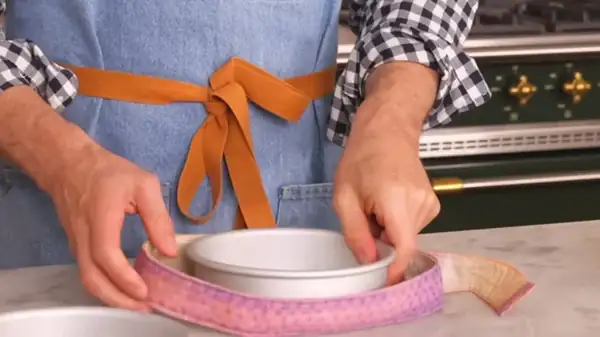
Meanwhile, the word 'talam' itself refers to the container or mold for this typical Betawi snack. Talam means a round container, tray, or tray, as quoted from Instagram @dandybakeryid (May 25, 2026).
In ancient times, it was said that this talam cake was only intended for the nobility. They enjoyed it as an appetizer. It was also commonly served to guests as a sign of respect.
(etc./addr)