Zarate, sea even in the desserts
It's no surprise that Basques love the sea and everything it provides; it's in their DNA. What's less common is for the flavors of the sea, the products of the Cantabrian coast, to be present from beginning to end of a menu. Yes, even in the desserts.
All of this is evident in his Bilbao restaurant, which has held a Michelin star since 2016. Its journey didn't begin in the Biscayan capital, but in Lekeitio, where he opened the first Zarate 15 years ago. Before that, he worked at Andra Mari, a renowned grill house in the Basque Country. He has always loved grilling, a skill he learned then but has never abandoned. In fact, grilled fish remains a cornerstone of his cuisine.
Tavern, snack bar and restaurant
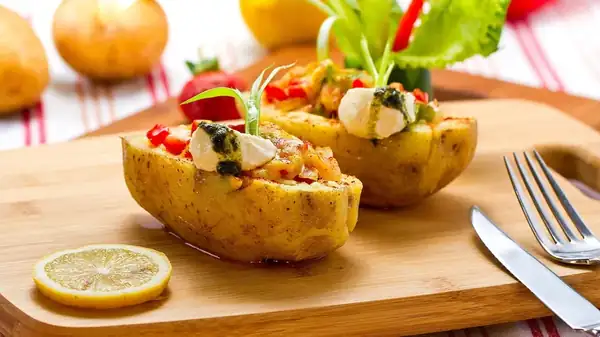
In 2011, he moved to Bilbao, where he also owns one of the city's most popular taverns, named after the restaurant. It's a mecca for potato omelets, Periko's omelet, especially the traditional one with onions, although they also prepare spicy versions (with Rioja peppers), ham and cheese, chorizo, black pudding, vegetable, or cod.
They make around 100 tortillas a day, which means using about 1,500 kg of potatoes and 800 eggs a week. Locals in Bilbao eat them at all hours, from breakfast to aperitifs and afternoon drinks, and they're absolutely delicious, very juicy. Paired with croquettes, Iberian ham, chistorra sausage, octopus, tripe, or anchovies, you're guaranteed a great snack.
Recently opened is La Taskita by Zarate, right next to the restaurant. It's a small bar serving good wines by the glass, beers, sandwiches, tapas, and their signature Spanish omelet. It functions somewhat as a reception bar for the restaurant, a place to have a glass of wine or an aperitif before heading into the dining room, which doesn't have a dedicated dining area.
An almost monothematic proposal
The restaurant, with its modern, minimalist style, features an open kitchen at the back, behind a glass partition. You can choose from the à la carte menu, but the best way to get a feel for the chef's vision is to opt for one of the three tasting menus. There's a nine-course menu available on weekdays at lunchtime (€99), and two rather lengthy, though not narrow, tasting menus of 13 and 17 courses (€125 and €150, respectively, excluding wine). Come to Zarate hungry.
They are all subject to the whims of the market and the season. Now, in the middle of summer, the freshness and lightness of many of the dishes is evident, which doesn't mean there isn't careful preparation, rich stocks, and a cuisine that showcases taste and quality ingredients, demonstrating technique and expertise.
The menus revolve around fish, a product that Sergio acquires directly from the Cantabrian port of Santoña, in Lekeitio, in Ondarra or in the Galician fish markets.
Tokyo-Bilbao connection
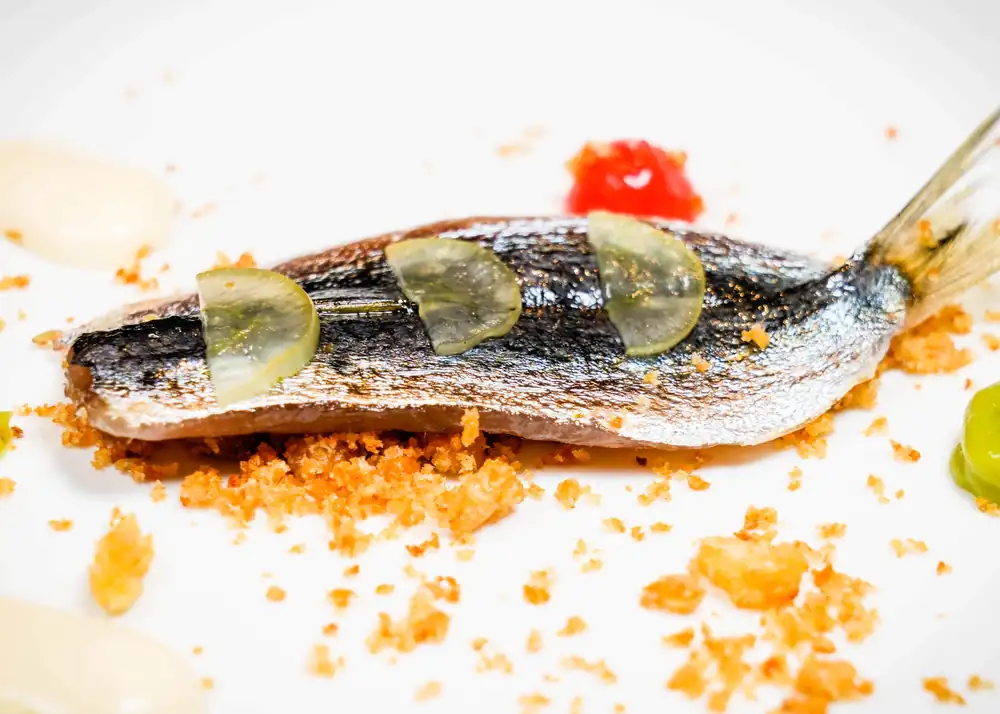
The menu can start, for example, with a Zarate-style gilda, with a low-temperature anchovy cut in half, with a few dots of piparra pepper sauce (it lacks a bit more acidity) and freeze-dried olives, a free version of this classic pintxo.
The quality of the fish at this restaurant is evident from the start, starting with the spectacular red mullet sashimi—the cut and presentation are flawless—served with a touch of wasabi and a magnificent ponzu sauce. This chef from Biscay clearly demonstrates Japanese influences in his cuisine, a country he is passionate about. This Japanese touch is reflected in various dishes, such as the sea bass tartare with summer truffle, walnuts, and ponzu sauce, a subtle balance of flavors perfectly complementing the fish.
The monkfish and duck micuit with wakame and apple jam is a surf and turf dish prepared with fish and bird livers, a curious combination enhanced by the seaweed treated in a sweet way.
We're in the heart of anchovy season—bocartes, boquerones (they're all the same thing)—essential on a menu like this. From Santoña, just as they are, with a touch of extra virgin olive oil, their flavor contrasts beautifully with the next course: a delicate royal of ajoblanco and spider crab with licorice—smooth, fresh, and very elegant.
Mastery of tradition
One of the most impressive dishes is octopus Biscay-style with its soup, a twist on olagarro zopa, the typical octopus soup from Zumaia made with previously fermented and dried octopus. With a very strong flavor, not for everyone, Sergio's version of the soup is slightly spicy but salty and concentrated. In contrast, the Biscay-style octopus is smooth and velvety: he makes it perfectly.
Undoubtedly, the chef masters the recipes that link with tradition, whether it is the aforementioned Biscayan, the hake kokotxas in squid ink sauce (unbeatable) or the confit peppers with veal snout and cod tripe, pure mellowness, enhanced with a textbook demi-glace.
The squid "risotto" stew was delicious, where the cephalopod is cut to resemble grains of rice, and the roasted turbot (the fish of the day varies depending on the market) was perfect, prepared on the grill and finished in the oven with a bilbaína sauce, juicy and technically impeccable.
The menu does include a meat dish, albeit in an unusual combination: sirloin steak with mushrooms and pickled mussels with wasabi. An unconventional surf and turf that isn't bad, although the flavor of the meat is somewhat overpowered by the other ingredients.
Oysters and seaweed in desserts
All of Sergio Ortiz's dishes incorporate elements of the sea, including the desserts. The oyster and cucumber sorbet with green apple gel and gin works well as a pre-dessert; it's more savory than sweet, fresh, and inviting.
For its part, the seaweed tiramisu has an original salty note that goes very well with the coffee and mascarpone.
It's also worth mentioning the wine cellar, which boasts an interesting selection of wines (especially whites) from different regions and appellations, along with some international labels. The best approach is to ask the sommelier for recommendations and try txakolis that are relatively unknown outside the Basque Country.