Sobada riojana, the sponge cake from La Rioja with a sugar crust and tender crumb
Para 10 1 €/pers. 370 kcal/100g.
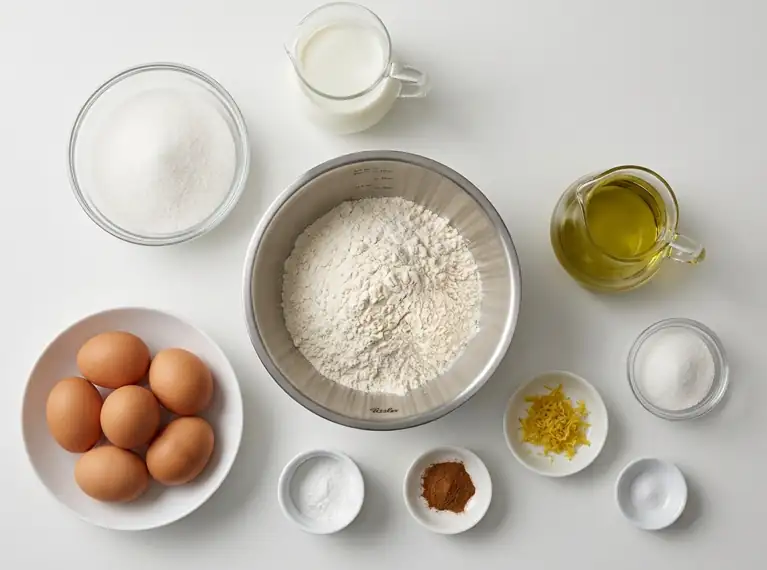
- 5 medium eggs, at room temperature
- 225 g of sugar
- 190 ml of whole milk
- 150 ml of mild olive oil
- 375g of all-purpose wheat flour
- 15 g of baking powder
- 1/2 teaspoon of ground cinnamon
- The finely grated zest of 1/2 lemon
- 1 pinch of salt
- 25g of sugar for the surface
- A little oil or butter to grease the mold, if we are not using baking paper.
- Preheat the oven to 180°C (350°F), using the top and bottom heating elements. Prepare a rectangular baking tin approximately 30 x 20 cm (12 x 8 inches) and grease it lightly or line it with baking paper.
- Place the eggs and 225g of sugar in a large bowl. Beat with an electric mixer for 8-10 minutes, until the mixture is light in color, has increased in volume, and when you lift the beaters, it falls in a ribbon that takes a few seconds to disappear.
- Reduce the speed and add the oil slowly, in a thin stream. Once incorporated, gradually add the milk. Mix only until you have a smooth cream.
- In another bowl, mix the flour, baking powder, salt, and cinnamon. Add the lemon zest, avoiding the white pith.
- Sift the flour and other dry ingredients over the mixture in two or three batches. Gently fold them in with a spatula using a light, circular motion. Stop as soon as you see no more dry flour.
- Pour the batter into the mold, smooth the surface, and sprinkle the 25g of sugar over it. This small amount will form a thin, crispy crust during baking.
- Bake in the center of the oven for 30-35 minutes. Do not open the oven door for the first 25 minutes. It will be ready when it has risen, is evenly golden brown, and a toothpick inserted in the center comes out clean.
- We let the bread rest for 10 minutes in the mold, carefully unmold it, and transfer it to a wire rack. We wait at least an hour before cutting it so that the crumb has fully set.
- Eggs at room temperature whip up more easily. It's also best if the milk isn't straight from the refrigerator.
- The size of the pan matters. About 30 x 20 cm works well; in a smaller pan the dough will need more time, and in a very large one it may dry out.
- We chose a mild olive oil to add juiciness without overpowering the flavor. If our oil is very strong or bitter, we can substitute some with sunflower oil.
- Once the flour is incorporated, overmixing hardens the crumb and eliminates some of the air achieved at the beginning.
- We used regular white sugar for the topping. You can see the differences between the most common varieties in the sugar types guide.
- If the oven browns too much on top, cover the dough with aluminum foil only in the last few minutes. Don't cover it at the beginning or open the oven before it has risen.
- At room temperature it is especially good with an espresso or a hot cup of chocolate.
- The fine grating of 1/2 lemon.
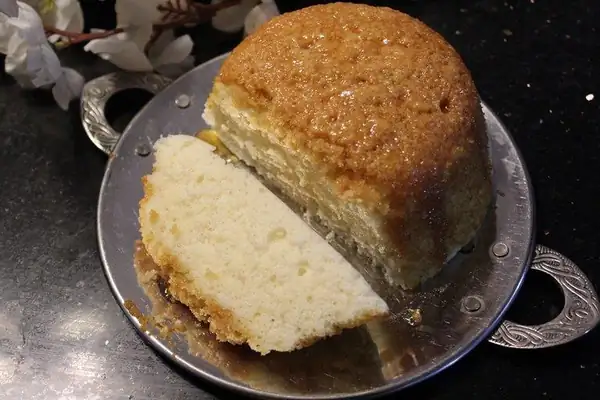
Sobada riojana is a simple baked pastry, prepared in a large dish and then cut into portions. Its most recognizable feature is the contrast between its tender, moist crumb and the layer of toasted sugar on top. Within Riojan cuisine, it belongs to the category of home-style pastries made with common ingredients and intended for breakfasts and afternoon snacks.
The name can be misleading. We're not making sobaos pasiegos, despite the similarity in words, nor are we preparing the Riojan pan sobado. This sobada is a sponge cake made with oil and milk, without kneading or fermentation. There are family recipes that place its origin in Camero Nuevo, and the quantities vary from household to household, so it doesn't make sense to present a single recipe as the only valid one.
What is consistent is a batter rich in liquid and fat, made with eggs, sugar, flour, and a chemical leavening agent. For this version, we use mild olive oil, whole milk, and a touch of cinnamon and lemon zest. The mixture should be airy at first and smooth at the end, but without overworking the flour.