The best Catalan recipes to prepare at home
Catalan cuisine is one of the richest and most varied in Spain, and that's no coincidence. Here, the sea and the mountains coexist, humble home cooking and festive dishes, comforting stews and hearty fare.
This collection brings together the best recipes of Catalan cuisine to help you understand why its culinary tradition is so highly valued. These are dishes that have always been cooked, passed down from generation to generation, and that continue to grace tables today. From a rich, flavorful beef fricandó to a well-made escudella that perfectly embodies the essence of traditional, resourceful cooking. These are recipes that don't aim to impress with frills, but rather to win you over with flavor, technique, and balance.
Catalan cuisine also has a very distinct personality in its stews, its use of sofrito, its picadas (a type of Catalan sauce), and that characteristic blend of sweet and savory ingredients found in many dishes. Meats, fish, vegetables, legumes, and rice coexist harmoniously, always with respect for the ingredients and cooking time. It's not a quick or improvised cuisine, but neither is it complicated: it's logical, coherent, and very satisfying on the plate.
In this special issue, you'll find recipes for all tastes and occasions: traditional everyday dishes, more elaborate meals for family gatherings, and suggestions that will help you discover the rich culinary heritage of Catalonia. A cuisine designed for sitting down to a meal, eating well, and enjoying it at your leisure.
If you are interested in traditional cuisine, with character and authentic flavor, this collection of Catalan gastronomy recipes is a perfect starting point to discover —or rediscover— one of the most complete and recognizable recipe books in our country.
Sauces, starters and first courses
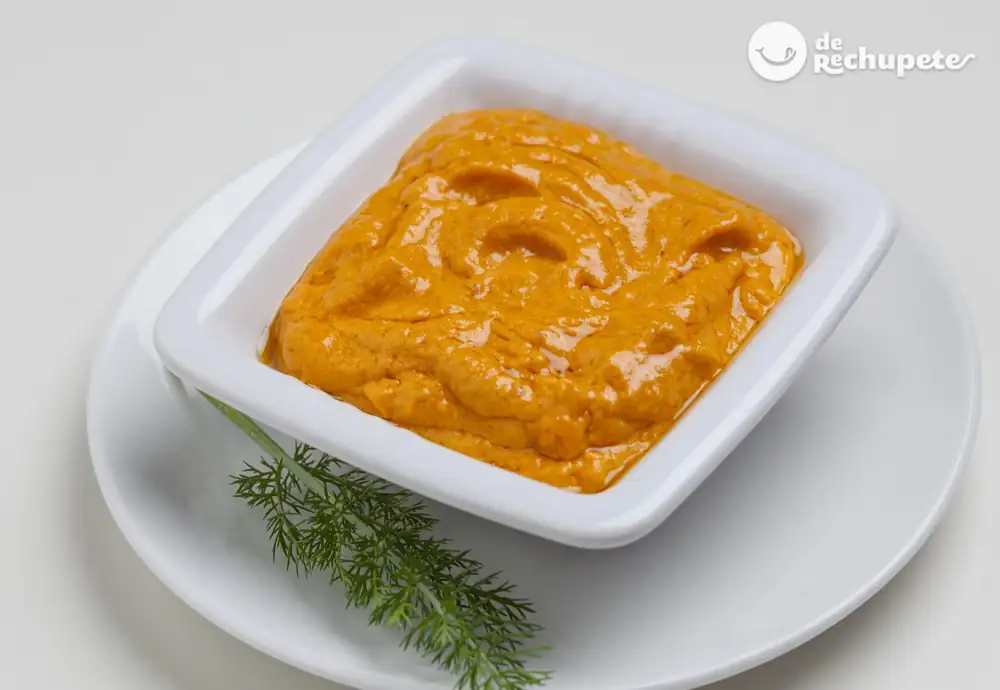
There are countless variations of this recipe, and it's true that depending on who's making it, it will have its own unique touch. They usually differ in the quantity of each ingredient, but ultimately it ends up being a salad called xatonada. It's prepared with cod, anchovies, endive, and black olives, and dressed with a specific sauce made from hazelnuts, paprika, fried bread, almonds, extra virgin olive oil, and dried ñora peppers.
It seems this sauce originated in the seaside neighborhood of Serrallo, in Tarragona. It's mainly used as an accompaniment to all kinds of grilled fish, although it's also delicious with grilled vegetables and meats.
We shouldn't really use the term "pantumaca" since it's an informal, phonetic translation that Spanish speakers use when referring to this dish. Debate aside, we'll show you how to prepare bread with tomato the same way it's made in Catalonia, along with some relevant information and tips to help you with its preparation. Enjoy one of the healthiest breakfasts in our country. So healthy, in fact, that we should export it worldwide.
The choice of sausage significantly alters the recipe. Both white and black botifarra are part of the Catalan repertoire of cooked sausages. For this preparation, we choose cooked pieces suitable for slicing and heating, and briefly pan-fry them: the goal is to warm them through and give them a little browning, not to treat them like fresh sausages and fry them until dry.
The best way to prepare a good calçotada is outdoors, of course, and with plenty of vine shoots. This isn't just an urban legend: good quality vine shoots are the perfect complement for a proper calçotada.
Galets soup is often part of escudella, the famous Catalan stew. The soup is served on one side, and the meat, chickpeas, and vegetables on the other. When served as part of escudella, the galets are unfilled, and although small or medium-sized galets are used throughout the year, tradition dictates using a specific type of pasta, the large galets, at Christmas.
Sea cucumbers, also known as espardenyas, are a highly valued product on the Mediterranean coast, especially in Catalonia, the Valencian Community, and the Balearic Islands. Their name comes from the Catalan word "espardenya," meaning espadrille, due to their elongated shape.
This is one of the many hearty stews that make up traditional Spanish cuisine. Olla aranesa is a delicious stew of white beans, meat, and vegetables, typical of the Aran Valley. Its origins lie in the stews that local families cooked using leftover harvest produce, enriched with game and local livestock.
Christmas meatballs are a classic part of Spanish Mediterranean Christmas cuisine. They appear in old recipe books, primarily associated with celebrations featuring homemade broth, escudella (a traditional stew), or soupy rice dishes. Their origin lies in the need to use up bread and fattier meats during the colder months, employing lard to ensure juiciness and flavor.
Olot potatoes originated at the Hostal del Pigot, in the Girona town that gives them their name. It's said the dish arose out of pure necessity: to use up leftover stewed meat inside thinly sliced, fried potatoes. Over time, it became an icon of Catalan cuisine.
It's a complex dish that takes time, so if there aren't going to be many of us at the table, we think it's a good idea to prepare it in large quantities so we can freeze it in several containers and always have it on hand whenever we fancy it or want to prepare a special meal in a short amount of time.
Sanfaina originated in Catalonia, although it can also be found in other Mediterranean cuisines, such as the Provençal ratatouille. This dish was traditionally prepared in the summer, when garden vegetables were at their peak. In fact, it was often cooked in large quantities to preserve and enjoy over several days.
This recipe wouldn't be complete without eggplant and red bell peppers, which are often accompanied by onion and tomato. It's a light, very low-calorie, and incredibly healthy dish. I recommend, firstly, making the most of all the juices released by the vegetables, and secondly, dressing it with a good extra virgin olive oil and a pinch of finely chopped garlic.
Catalan-style spinach is a very traditional and ancient dish in Catalonia, appearing in some medieval cookbooks. It's prepared with spinach, raisins, and pine nuts, creating a perfect combination, much like Catalan-style chicken.
The speed with which this dish is prepared and how delicious it is are two more than enough reasons to make it, not to mention that it's a great way to eat legumes, taking advantage of the sausage's oil, which adds a spectacular flavor. That's why it's a good idea to freeze some raw sausages and keep a few jars of beans in the pantry so you can make this dish whenever you want.
Depending on the region where it's prepared, peppers are sometimes omitted, and dried beans are even substituted with other legumes such as lentils or chickpeas. It falls within the classic Mediterranean style of cooking, along with esqueixada, escalivada, espencat, and del derrama—all dishes where roasted or raw vegetables are the common denominator, often accompanied by salted fish and/or legumes.
Main dishes
We make this Catalan-style chicken recipe often at home because it's such a flavorful dish with just four ingredients. The addition of fruit is a typical Catalan touch that works perfectly. The chicken is slowly simmered in the sauce, allowing the meat to absorb all the flavors and develop a wonderful character.
A stew with a base of sautéed onion and tomato, potatoes, peas, cod, artichokes, and hard-boiled egg. However, our friend Montse, who gave me the recipe, says that bacallà a la catalana is usually prepared with a sauté of onion and tomato, raisins, pine nuts, and hard-boiled egg. Spinach is also sometimes added, so everyone prepares it in their own way.
The word fricandó comes from the French "fricandeau" (a type of stew in French cuisine). It's a humble and popular Catalan dish, although it has French origins. In France, any type of meat is blanched, and it doesn't include mushrooms. In fact, the most famous version is usually chicken fricassee, not beef.
Within the diverse culinary repertoire of our country, we can say that each region has its own particularities and recipes that give it its own character. Today's recipe, meatballs with cuttlefish, is a classic of Catalan cuisine, la cuina catalana.
Escudella, along with cannelloni de Sant Esteve (which used to be made with the leftover meat from the escudella stew), are the most traditional dishes in Catalonia. As is often the case with such old dishes, there are many versions and variations depending on the region and the household, but in this recipe we have tried to prepare it in the most traditional way.
We've prepared the most basic recipe, the one with just tomato, onion, cod, black olives, and extra virgin olive oil. Esqueixada usually also includes red and green bell peppers, although many people don't like eating them raw or find them difficult to digest.
A humble seafood stew, traditionally prepared by fishermen with the catch they brought in on their boats. The recipe varied depending on the most abundant fish of the day or the one that proved most difficult to sell at the fish market. Over time, it became popular all along the Levantine coast, eventually appearing on the menus of the most exclusive restaurants. In fact, one of the most popular Christmas recipes is this seafood Christmas soup with rice, made with top-quality fish.
Coca recipes
Coca de forner, also known as coca de pan dulce or coca de pan dulce, is a flatbread traditional to Catalonia, made from a simple bread dough. Once the dough has risen and been shaped, it is sprinkled with sugar before baking and drizzled with anise liqueur as it comes out of the oven, while still hot.
Coca de llardons, or pork cracklings, is one of the most traditional sweet cakes in Catalonia, especially in the Pyrenees. It is very simple and quick to prepare, and is traditionally eaten during Carnival (a dessert that is a must on Fat Thursday), before the Lenten season, or as a sweet finale on Saint John's Eve (Sant Joan).
The name "coca de cristal" comes from the glassy layer that forms after it's baked in a rich mixture of olive oil and sugar. Once out of the oven, the coca is brushed with anise liqueur, creating a very pleasant-tasting, fragile, and brittle pastry reminiscent of glass. Hence its curious name.
Coca de recapte (which in Catalan translates as "leftovers") is a great option when you want to use up what you have in the fridge to make an impromptu dinner. It has a similar base to Catalan vegetable coca, but is usually accompanied by an additional ingredient.
You don't need to be a baking expert to make this Montserrat coca at home. It's one of the easiest pastries you can make. Give it a try today and put together a delicious afternoon treat for the little ones. It's the perfect excuse to enjoy a homemade cake that, paired with a cup of coffee with milk, is a real treat.
The original coca is filled with pastry cream and topped with whole eggs, but we've given it a twist by using chocolate in the filling and whipped egg whites for the topping. We wish its inventor, the pastry chef from Llavaneres, Gaspar Sala, could give us his approval, but he is no longer with us.
Catalan desserts
Its origins are believed to date back to the 18th century, when it was used as a blessed food in some important religious celebrations. Today, it is consumed year-round, although it is most prominent on All Saints' Day.
This sweet treat of Islamic origin is typical and traditional in Terres de l'Ebre, in southern Catalonia. It consists of small, crescent-shaped pastries or empanadas, usually filled with cabello de ángel (angel hair squash), although other variations exist: chocolate, orange, sweet potato, ricotta cheese…
It is said that the word buñuelo comes from the term puñuelo, the name given in Rome to a dessert kneaded with the fists; although the recipe's origin seems to be from Arab culture. Its main ingredients are flour (strong flour so it rises), milk, and eggs, not forgetting fresh yeast. Depending on the region of Spain, you can find many types of fritters, all worthy of a shrine.
Although it's a classic recipe, we can always add a special touch if we like, in this case, vanilla. And in the final step, we sprinkle it with white sugar and caramelize it with a hot iron or a kitchen torch. I used a small torch, which helps prevent the cream from overheating and, in my opinion, gives it a more professional look. It's also less cumbersome and takes up very little space in the kitchen.
Its roots lie in the Epiphany celebrations, which commemorate the visit of the Three Wise Men to the Baby Jesus. In Catalonia, this tradition merged with the custom of hiding a figurine and a bean in the sweet bread, symbolizing good and bad luck, respectively. Whoever finds the figurine is crowned king for a day, while the unlucky person who finds the bean has to pay for the dessert.
It's commonly served with a dusting of sugar on top; however, if you're at a party, it's more likely to be covered with whipped cream, caramelized egg yolk, custard, or chocolate ganache. You can also slice it in half and fill it with cream or jam. There are many variations of this sponge cake, as it can be flavored with other ingredients such as candied fruit, yogurt, citrus fruits, or nuts.
These are the most traditional and well-known recipes, but I'm sure there are a thousand more. If you think another one should be included in this collection, don't hesitate to tell me about it and we'll make it.