What is Sichuan pepper? We'll explain its characteristics and how it differs from Japanese pepper! We'll also share some recommended recipes
Sichuan peppercorns are an essential ingredient in Chinese cuisine. Characterized by their numbing spiciness and refreshing aroma, they are primarily used in Sichuan cuisine. While Japan also has the fragrant sansho peppercorns, how do they differ from Sichuan peppercorns?
What is Sichuan pepper? We'll explain its characteristics and how it differs from Japanese pepper! We'll also include some recommended recipes.
What is Sichuan pepper? How do you pronounce it?
How is it different from Japanese sansho pepper?
What dishes does Sichuan peppercorn go well with? Recommended recipes using Sichuan peppercorn.
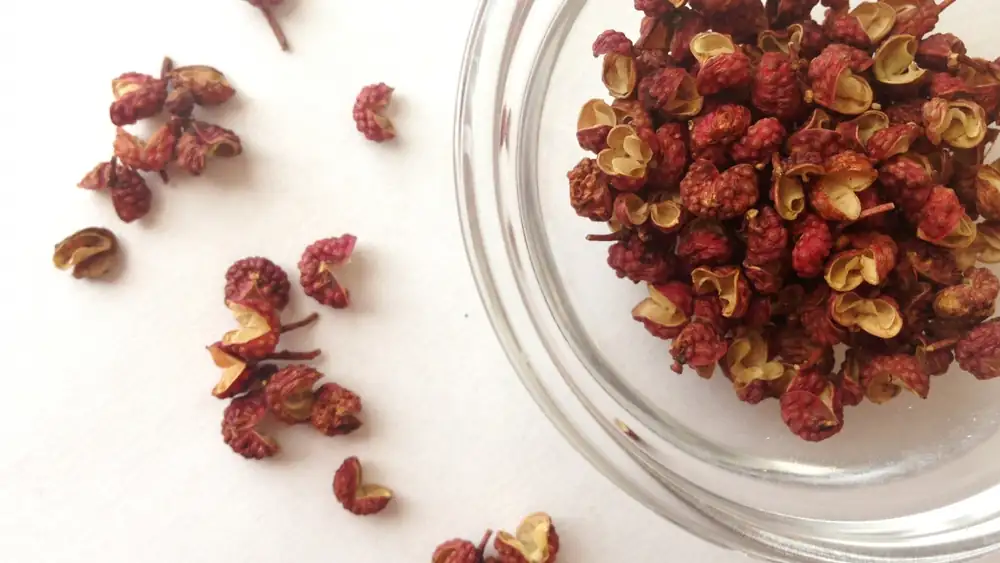
While "花椒" is pronounced "kashō" in Japanese, its Chinese name is "huajiao." It is a plant belonging to the citrus family, genus Zanthoxylum, and is the most widely cultivated spice in China. Its main producing regions are Sichuan, Hebei, and Henan provinces, and it is a historical spice that has been used as medicine since the Han dynasty. The dried red berries, about 3 mm in diameter, are used, along with their peel.
Mapo Tofu is a representative Sichuan dish that uses Sichuan peppercorns, and the numbing spiciness (ma) and the heat of chili peppers (la) are the basic flavors, with Sichuan peppercorns being indispensable. In addition to Sichuan cuisine, it is also used in Guizhou, Yunnan, and Northwest Chinese cuisine. It is an essential spice in Chinese cuisine that can be enjoyed in various cooking methods such as stews, stir-fries, steamed dishes, and deep-fried dishes.
Sichuan peppercorns are sometimes sold whole, and sometimes coarsely ground or powdered. Since their flavor dissipates easily, it's important to use them up quickly. Sichuan peppercorns, with their numbing spiciness and refreshing aroma, enhance the flavor of dishes. Keeping them on hand will broaden your culinary horizons.
Japanese pepper (sansho) is a plant native to Japan, belonging to the citrus family and the genus Zanthoxylum, and has been used as a spice since ancient times. The green berries, buds, and flowers of the sansho plant are all used as condiments and garnishes, and it is said that "no part of the plant goes to waste." While Sichuan pepper (hua jiao) is made by drying the ripe berries and using only the pericarp, Japanese pepper (sansho) is made by powdering the pericarp before it ripens, resulting in a refreshing aroma and a milder spiciness compared to the numbing heat of Sichuan pepper.
Once you taste it, you'll be hooked! We'll introduce recipes using Sichuan peppercorns, which are appealing for their numbing spiciness and refreshing flavor. Let's easily enjoy Sichuan peppercorns at home!
Spicy and delicious mala udon with the aroma of Sichuan peppercorns
This is an exquisite udon noodle dish with a spicy gochujang-flavored soup infused with the rich flavor of beef. The Sichuan peppercorns add a stimulating accent that will whet your appetite.
Authentic Mapo Tofu
Adding a sprinkle of Sichuan peppercorns to the classic Chinese dish, Mapo Tofu, gives it an authentic flavor! Using thinly sliced pork makes it a hearty and satisfying dish. Please give it a try!
Deep-fried chicken thighs with Sichuan peppercorns
Fried chicken served with Sichuan pepper salt (a mixture of salt and Sichuan peppercorns) offers a unique flavor. It's also a perfect accompaniment to alcoholic beverages. The numbing spiciness will definitely make you want to drink more!
Dumplings with Sichuan pepper sauce
These boiled dumplings are served with an exquisite sauce infused with the aroma of Sichuan peppercorns. The richness of white sesame paste and the flavor of chili oil are complemented by the addition of ponzu sauce and Sichuan peppercorns, resulting in a rich yet refreshing sauce. It pairs perfectly with the smooth texture of the boiled dumplings, creating an addictive taste.
Potato stir-fry with Sichuan peppercorns
Potatoes and bell peppers are stir-fried in oil flavored with Sichuan peppercorns for a Chinese-style dish. To keep them crisp, soak the potatoes in water and be careful not to overcook them. You can also substitute asparagus for the bell peppers for a delicious variation. Please give it a try!
Easy pasta with canned mackerel and a hint of Sichuan peppercorns.
How about a Sichuan peppercorn-flavored pasta dish made with canned mackerel? Using the canned mackerel, including the liquid, makes it quick and easy to prepare. The Sichuan peppercorns add a wonderful flavor, and the refreshing, slightly spicy kick is delicious.
Dan Dan Noodles with the Aroma of Sichuan Pepper - A Hearty and Energizing Noodle Soup
How about a hearty garlic-filled Dan Dan Noodles for dinner tonight? The tingling spiciness of the chili bean paste and chili oil, along with the numbing heat of the Sichuan peppercorns, goes perfectly with the rich sesame flavor. The soup also goes well with hot pot or rice, so please give it a try!
Master the use of Sichuan peppercorns to create a spicy and addictive dish!
This time, we introduced Sichuan peppercorns, a staple seasoning used in Chinese cuisine. Sichuan peppercorns are an appealing spice with a stimulating and refreshing flavor. Just a sprinkle on your usual dishes will instantly create a dish with a gorgeous aroma. Please try these addictive recipes using Sichuan peppercorns at home!

![[Today's Menu] Tuesday, September 29, 2026: “A classic meat and tofu dish that goes perfectly with rice!”](/static/img/d615fd557bb42ae3_p.webp)