Why are chopsticks used in Korea made of metal? We explain the surprising reason and Korean dining etiquette
When you go to a Korean restaurant, you're often served metal chopsticks, right? In Japan, wooden chopsticks are commonly used, but why are metal chopsticks the norm in Korea? This article explains the reasons and history behind this, as well as unique Korean chopstick etiquette!
Why are chopsticks used in Korea made of metal? We explain the surprising reason and Korean dining etiquette.
Why are Korean chopsticks made of metal?
It was used for poison testing.
It was excellent in terms of hygiene.
Durable and suitable for Korean cuisine
What are some of the proper chopstick manners in Korea?
Here are some recipes for Korean food that you can eat with chopsticks.
Metal chopsticks are an item steeped in Korean history and culture!
Why are Korean chopsticks made of metal?
In Korea, metal chopsticks are used in almost all restaurants and homes when eating. In Japan, too, metal chopsticks are often provided at Korean restaurants and other establishments. Apparently, Korea is the only country in Asia where metal chopsticks are used. Why is that? There are several reasons, which we will explore below.
It was used for poison testing.
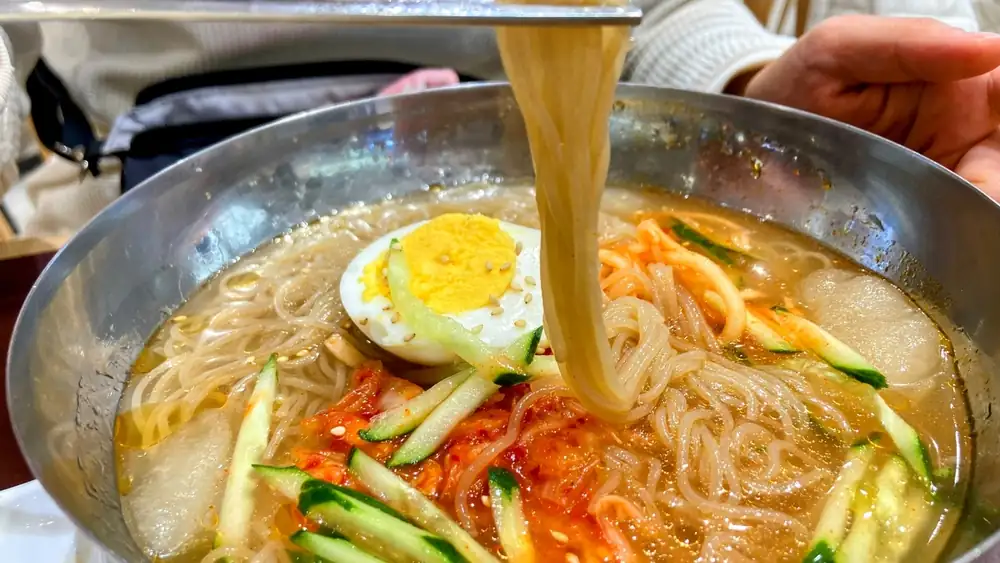
It's a rather unsettling story, but the most widely accepted theory is that metal chopsticks came into use "to check for poison." While stainless steel chopsticks are the norm today, silver chopsticks were used by royalty and nobility in the past.
Silver chopsticks have the property of turning black when exposed to arsenic, and it is said that before the king ate, a food taster would use silver chopsticks to check whether the food served was poisoned. From there, metal chopsticks spread to the general public. Currently, stainless steel chopsticks are the mainstream, and improved versions with lighter weights and other features are in use.
It was excellent in terms of hygiene.
Metal chopsticks had the advantage of being easier to keep clean than wooden ones because they didn't absorb moisture and were easier to sterilize with boiling water. Of course, thanks to technological advancements, there are now many water-repellent metal chopsticks and wooden chopsticks that are easy to clean, but back then, wooden chopsticks were said to be prone to bacterial growth.
The fact that it's easy to keep clean and doesn't deteriorate easily even after washing is one of the reasons it's still in use today.
Durable and suitable for Korean cuisine
Metal chopsticks are appealing because they don't break, allowing for repeated and long-term use. Furthermore, Korean cuisine often includes dishes like jjigae (stews) and yakiniku (grilled meat), which are eaten piping hot. Metal chopsticks are heat-resistant and less prone to deterioration, which is another advantage.
Furthermore, kimchi, a national dish, is a fermented food with a strong smell, but metal chopsticks are less likely to absorb its color and odor.
Japan has many rules of etiquette when using chopsticks, and Korea also has its own. Here, let's take a look at some of the Korean rules of etiquette when using chopsticks.
I eat the side dishes with chopsticks and the rice with a spoon.
As mentioned earlier, chopsticks and a spoon are used together at Korean dinner tables. It's common to eat side dishes with chopsticks, and rice, soup, and stews with a spoon. It's not common to eat everything with just chopsticks, as is the case in Japan.
Don't hold chopsticks and a spoon at the same time.
It is considered bad manners to hold chopsticks in one hand and a spoon in the other at the same time. Once you've finished using one, put it down before using the other. Also, when drinking, always place your drink on the table or chopstick rest before drinking.
Do not place chopsticks on the tableware, and do not stab food with them.
Just like in Japan, it's considered bad luck to stab rice or side dishes with chopsticks. Also, it's considered bad manners to place chopsticks on a plate. When switching to a spoon, just like before, place your chopsticks on a chopstick rest before switching. In fact, this act of placing chopsticks on a plate is called "watashibashi" and is considered bad manners in Japan as well.
Finally, here are some Korean food recipes that you can eat with chopsticks. From classic side dishes to cold noodles, the sweet and spicy flavor of gochujang is the perfect accent to each dish, making them incredibly addictive! Please give them a try.
Japchae with plenty of vegetables
Here's a colorful vegetable japchae recipe that will brighten up your dinner table. This recipe uses gochujang for a slightly spicy kick. It's a dish that goes well with rice or as a snack with drinks.
Seafood and chive kimchi pancake with plenty of ingredients
Let's make a delicious seafood pancake using kimchi and a seafood mix. Since we're using gochujang for seasoning, it's tasty even without dipping sauce. Give it a try!
Korean-style spicy cold noodles
How about some refreshing cold noodles? This recipe adds vinegar to the soup in addition to gochujang, giving it a tangy flavor that's perfect for a hot day. Feel free to add your favorite toppings!
This article explained why chopsticks in Korea are made of metal and discussed chopstick etiquette. As we've shown, metal chopsticks are not just eating utensils, but items steeped in deep history and culture. While metal chopsticks are unfamiliar in Japan, they offer various advantages, so why not give them a try?