Is it safe to eat kimchi that has gone sour? How can you tell if it's spoiled? “I didn't know that!”
Kimchi, with its addictive spicy kick, can have a surprising turn of events. But have you ever found that your kimchi has gone sour after being stored in the refrigerator, making it inedible? This article will explain why kimchi becomes sour and offer ways to use sour kimchi.
Is it okay to eat kimchi that has gone sour? How can you tell if it's spoiled? "I didn't know that!"
- Why does kimchi become sour?
- How can you tell if it's spoiled?
- The key to reducing acidity is "heating"!
- Here are some recommended recipes using kimchi!
- Let's enjoy even sour kimchi!
Why does kimchi become sour?
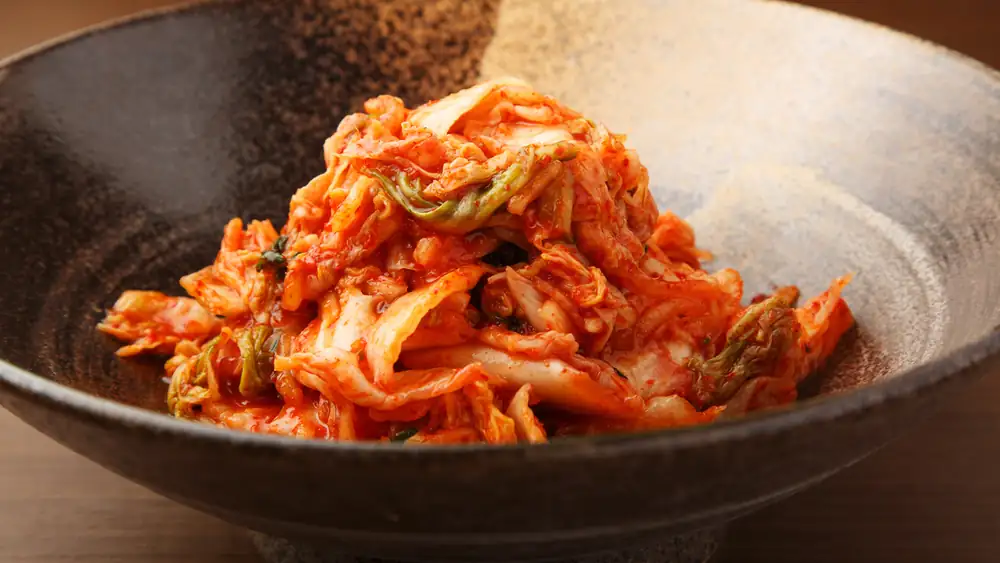
Kimchi is a fermented food made with lactic acid bacteria. Even after it's sold, the fermentation process continues due to the lactic acid bacteria, so as time passes, the richness and umami flavor increase, as does the sourness. The reason kimchi seems to get sourer over time is because the lactic acid fermentation is still ongoing. The rate of fermentation varies depending on factors such as temperature, so even if you buy kimchi from the same manufacturer as always, the number of days it takes to become sour can vary. Just because kimchi has become sour doesn't mean it's spoiled and inedible.
How can you tell if it's spoiled?
So, how can you tell if kimchi has gone bad? In addition to tasting sour, be careful if it looks or smells unusual. If it's discolored, moldy, or has a strong odor that you don't normally notice, stop eating it. Kimchi is a preserved food, but it's best to eat it as soon as possible after opening.
The key to reducing acidity is "heating"!
If you find kimchi too sour, heating it will mellow the acidity. As the fermentation progresses, kimchi becomes full of umami, making it delicious when added to fried rice or used in kimchi hot pot. After opening, enjoy it as is for a while, and when the sourness becomes a concern, try adding it to dishes to enjoy different variations!
Here are some recommended recipes using kimchi!
Now, let's look at some recipes that make even sour kimchi delicious. Adding kimchi to the familiar Tonpeiyaki (pork and egg pancake) gives it a different flavor. Please give it a try!
Kimchi Tonpeiyaki - so delicious you can't stop eating it!
How about trying kimchi tonpeiyaki, a dish with a delightfully crispy texture that's sure to get you hooked? Simply stir-fry pork and cabbage with kimchi, wrap it in an egg, and top with mayonnaise and Worcestershire sauce! The spicy kick of the kimchi adds a nice accent, making it irresistibly delicious. Adding tempura batter bits gives it an extra crispy texture. It's perfect as a side dish for dinner, or as a snack with drinks. Give it a try!
Materials (for 2 people)
ingredients
- Pork scraps... 100g
- Cabbage... 180g
- Kimchi... 60g
- Tempura batter scraps... 10g
- Granulated Japanese-style dashi stock... 1/2 teaspoon
- Salad oil (for sautéing ingredients) ... 1 teaspoon
Egg fluid
- Eggs (medium size) ... 2
- (A) Potato starch... 1/2 tablespoon
- (A) Water... 1 tablespoon
- (A) Salt... a little
- Salad oil (for frying the egg mixture) ... 1 teaspoon
topping
- Mayonnaise... 1 teaspoon
- Medium-thick sauce... 2 teaspoons
- Aonori (dried green seaweed)... appropriate amount
How to make it
1. Cut the cabbage and kimchi into 5mm wide strips. 2. Beat the eggs, add (A) and mix to make the egg mixture. 3. Heat a frying pan over medium heat, add salad oil, and stir-fry the thinly sliced pork. Once the color changes, add the ingredients from step 1 and granulated Japanese-style dashi stock and stir-fry until softened, then remove to a bowl. 4. Heat another frying pan over medium heat, add salad oil and spread it thinly with a paper towel, pour in the egg mixture from step 2 and flatten it, and when it is semi-cooked, place the ingredients from step 3 and tempura batter bits on top, wrap it up, and remove from the heat. 5. Serve on a plate, top with Worcestershire sauce, mayonnaise, and dried seaweed flakes, and it's ready.
*Elderly people, infants under 2 years old, pregnant women, and those with weakened immune systems should avoid eating raw eggs. If the eggs are cooked to a soft-boiled state, please cook them thoroughly before consuming.
Let's enjoy even sour kimchi!
So, what did you think? When kimchi becomes too sour, it can be a little worrying whether it's still safe to eat, but knowing that it's due to lactic acid fermentation makes it much more enjoyable. The umami flavor also increases over time, so with a little ingenuity, you can enjoy it in many different ways. Try eating it as is, stir-frying it, or adding it to a hot pot – enjoy experimenting with your favorite variations!
*Drinking alcohol is prohibited by law for those under 20 years of age. Drinking alcohol during pregnancy or while breastfeeding may adversely affect the development of the fetus or infant. Also, please refrain from consuming alcohol while driving, playing sports, or bathing.