Uruguay and wine, according to CNN it's the new Tuscany with Bodega Garzon (thanks to the Ocean and an Italian winemaker)
Uruguay and wine, for CNN, is the new Tuscany. Everyone knows, when it comes to South America, the wines of Chile and Argentina. These products are increasingly popular on the market, highly appreciated by consumers (and often very "woody"). But for CNN, there's another country to focus on: Uruguay.
Chile, Mark Johanson's article explains, has revitalized old Carmenère vines, producing Bordeaux blends that rival those of the Old World, while Argentina has exploited the full potential of Malbec. Uruguay, on the other hand, has been growing slowly for years and experimenting with grape varieties that are disappearing from the country.
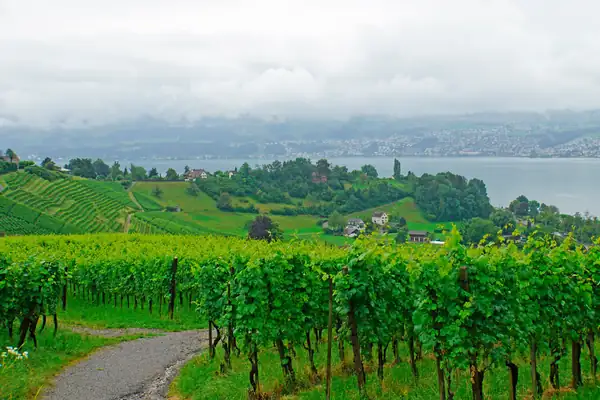
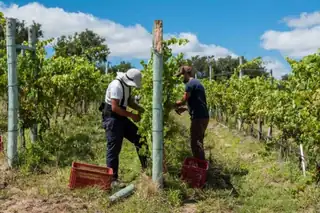
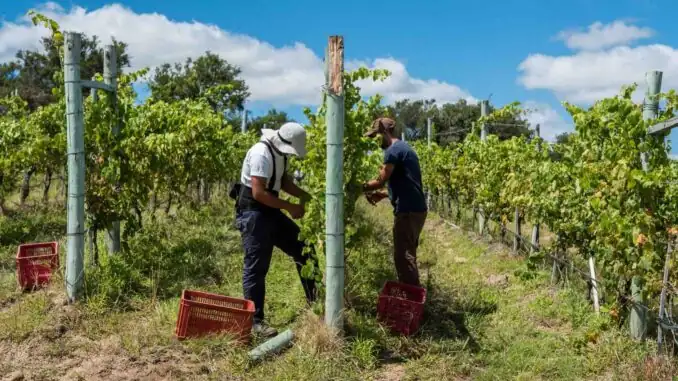
The article mentions Bodega Garzon, which has vineyards no older than ten years but has already achieved great results and awards, from Enthusiast Magazine to the World's Best Vineyards Academy (where it placed second).
Why, you might ask, hasn't anyone ever heard of Uruguayan wines? There are historical reasons. Wine has been produced here for 150 years, but it's the second-smallest country in South America and has small wineries that struggle to export. Bodega Garzon manager Christian Wylie explains that the biggest challenge is explaining where Uruguay is, since no one knows. And besides being located between Brazil and Argentina, it's on the same latitude as major wine-producing nations, from New Zealand to Australia, from Chile to South Africa.
Bodega Garzon's true strength is its location 13 kilometers from the Atlantic Ocean, where the winds make all the difference. The founder's wife, who raised goats, found the house unattractive and decided to plant vineyards. Italian winemaker Alberto Antonini was called in to consult. And ten years later, here are the wines praised by many leading names and by CNN, with native grape varieties as well as French Tannat, Galician Albariño, and Cabernet Franc.