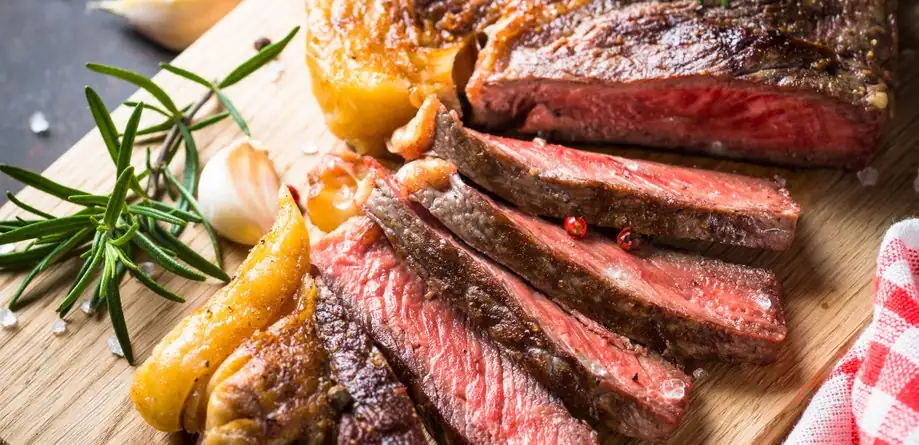
This is how you can prepare the perfect steak at home
Fundamental factors affecting steak quality
According to EatThis, the perfect steak is the result of thoughtful steps that start with choosing the meat and continue with proper preparation before cooking. Experts emphasize that controlling the temperature during cooking, the marbling of the meat, and the dryness of the surface are essential for achieving optimal juiciness and even browning.
Preparing meat at room temperature
As reported by EatThis, culinary experts, including David Rose, warn that meat should reach room temperature before cooking. A piece of meat that is too cold will cook unevenly, leading to an overcooked exterior and an undercooked interior. Therefore, it is recommended to rest the steak outside the refrigerator long enough to stabilize the temperature and allow for even cooking. The key reasons for this step are:
- more stable internal temperature, - more even browning, - less chance of the outer part of the meat drying out.
The importance of marbling and meat color
EatThis emphasizes that marbling is one of the most reliable indicators of the quality of a steak. Fat veins that are evenly distributed throughout the meat ensure juiciness and a richer flavor during cooking. Experts advise choosing a cut with pronounced but even marbling, as such meat remains tender and aromatic during cooking. The color of the meat should be bright red, which indicates freshness and good quality.
Selecting the right piece and precise heat treatment
Many culinary experts point out that often overlooked cuts of meat are sometimes the best choice, as they also offer a good price-quality ratio. These are cuts that butchers traditionally keep to themselves, as they are tender, aromatic and suitable for quick cooking. Among them, hanger steak, flank steak and flat iron stand out, which, due to their structure, perform well at high temperatures and short cooking times.
Well-dried meat and proper salting
One of the key steps before cooking is to thoroughly dry the surface of the meat. Moisture on the surface prevents the formation of an even crust, which is characteristic of a well-cooked steak. Salting should be done evenly and in a timely manner, as the salt penetrates the meat and improves the taste and texture. Experts emphasize that salting just before cooking or well before it is effective, depending on the chosen approach. When salting, it is important to:
- so that the salt evenly covers the entire surface, - so that the salt is absorbed into the meat and improves the structure, - to avoid excessive moisture on the surface.
Temperature control and resting meat
EatThis points out that temperature control is key to achieving the desired doneness. A high initial temperature allows for quick caramelization of the surface, then the heat needs to be adjusted to evenly heat the interior of the meat. After cooking, the steak needs to rest to stabilize the juices and distribute evenly. This step is essential for achieving a juicy and tender result.
By following the expert recommendations listed above, you can achieve results at home that approach the quality of top restaurants. The right choice of cut, temperature control, and thoughtful preparation are the fundamental elements that ensure that the steak on your plate will always stand out in taste and texture.