For a healthy meal, add one protein food to your pasta (and it's not meat)
While pasta is quick and easy to make and budget-friendly, one major drawback to a balanced diet is that pasta dishes often lack protein. Protein is an essential macronutrient found in virtually every part of the body, from hair to bones and nails.
A cup of cooked spaghetti only contains about 7 grams of protein. We need much more to maintain healthy bones, muscles, and the immune system. We often reach for meat to increase the protein content of our meals, but there is another simple and healthy food that can be used in pasta that is not of animal origin: cannellini beans.
What are cannellini beans?
Cannellini beans, also known as white kidney beans, have a soft texture and a mild, slightly sweet, and slightly nutty flavor. Half a cup of these beans contains about 8 grams of protein, making them one of the protein-rich plant-based additions to pasta. Cannellini beans are also a staple of Italian cuisine, pairing well with classic Italian ingredients often found in pasta dishes, such as Parmesan cheese, tomatoes, tuna, chicken, and green vegetables like broccoli, kale, and spinach.
Canned cannellini beans are also a great pantry staple because they're always on hand and can be quickly added to pasta. Since they're already cooked and only need to be reheated, they're perfect for last-minute meals. If you're making a sauce that takes a long time to cook, like a ragu, canned cannellini beans will hold their shape well even after a long cooking time.
Preparing beans
If you're using canned cannellini beans in your pasta recipe, you'll need to drain them first. Pour the can of beans into a colander, let them drain, and then rinse the beans with water to remove any excess liquid. This can significantly reduce the sodium content—up to 40%—as the canning liquid is high in salt, which acts as a preservative.
Although canned beans are much more convenient, dried beans are actually a lot more affordable: a bag of dried beans makes about six cups of cooked beans, and the price is usually comparable to the price of a can, which contains less than two cups of beans. If you want to use dried beans, it takes a little more work, as you first have to soak the beans in cold water for several hours to rehydrate them, and then you have to cook them. Cooked beans can be stored in the refrigerator for a few days, or you can freeze them.
How to use beans in pasta dishes?
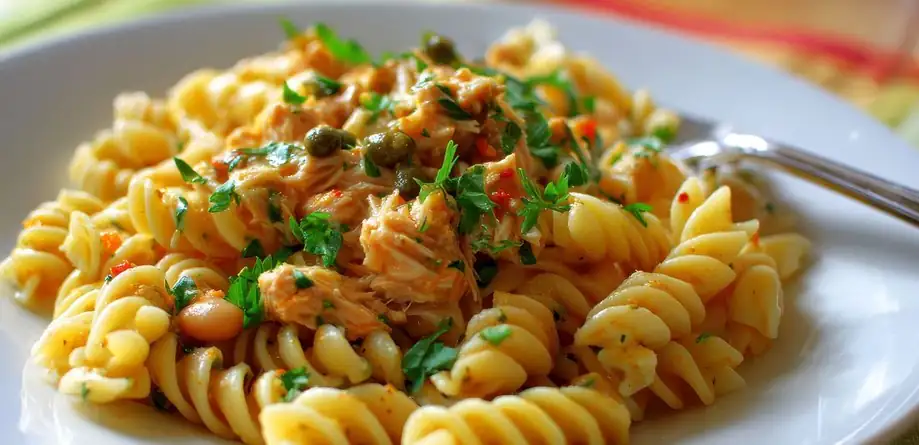
For those looking for a quick source of protein for lunch or dinner during the week, it's best to stick with cannellini beans and simply stir them into your tomato pasta sauce during the last minute of cooking. Cook for a few minutes to incorporate them into the sauce - the result will be a thicker, creamier, and more protein-rich base for spaghetti or macaroni.
If you're making pasta with vegetables and pesto, you can add the canned beans to the pan with the vegetables, sauté them until warm, then toss them with the pasta and pesto. The beans' creamy texture nicely balances the strong flavors of basil, Parmesan, and pine nuts. Canned cannellini beans can also be the star of a quick vegetarian bolognese.
If you want to take advantage of the creamy texture of cannellini beans, you can use them as a base for a sauce. Simply blend the washed beans in a blender with vegetable stock, sautéed shallots and garlic, and salt and pepper to taste. Give it a quick stir, add a splash of lemon juice and olive oil, then toss the sauce with the pasta. Don’t forget to save some of the starchy pasta water – it’s perfect for thinning out the sauce if it’s too thick.
Cannellini beans can be used in vegetable lasagna - along with spinach, zucchini, or tomatoes, they will provide more protein and a slightly nutty flavor.
If you prepare pasta in the form of a soup or stew (e.g. minestrone), cannellini beans are almost a must - they add density, nutrition, and a pleasantly creamy texture to the soup.
Cannellini beans also go well with many meaty pasta dishes. Their mild flavor and creamy texture pair well with chicken, meatballs, sausage, pancetta, or pork. They also pair well with fish and seafood, especially tuna, shrimp, squid, and mussels.