“That’s not burek!” The mistake foreigners often make with this Balkan dish
Čevapi: "just meat sausages"? Far from it
Cevapcici are probably the most famous Balkan dish abroad, but many describe them as "little sausages" or even "Balkan hot dogs." In reality, they are specially shaped rolls of minced meat that originate from Ottoman tradition and are prized for their simplicity and meaty flavor.
A common mistake made by foreigners is the way they are served. They add ketchup, mayonnaise, or even exotic sauces to čevap, while in the Balkans they are traditionally eaten with onions, lepinja, and sometimes kajmak or ajvar.
On Reddit, users often discuss how foreigners "spoil" the dish: "Ajvar with čevapi is like ketchup on a hot dog." This shows how seriously the Balkans take their culinary tradition.
Ajvar: sauce, spread or "Balkan caviar"?
Foreigners often compare ajvar to pesto or pasta sauce, but that's not entirely accurate. It's a slow-cooked spread made from roasted peppers (and sometimes eggplant) that has an almost symbolic meaning in the region.
Abroad, it is used very creatively, as an addition to eggs, pasta, or even burgers, while in the Balkans it is most often a side dish to grilled meat or simply spread on bread.
Interestingly, some even call it "Balkan caviar", which is cute but quite far from its actual origin.
Sarma: a dish that often confuses foreigners.
Sarma is another classic that is often difficult for foreigners to understand. It is a cabbage leaf stuffed with meat and rice, which is cooked for a long time in a sauce.
The problem? The combination of sauerkraut and meat isn't for everyone. Even online, many foreigners admit that it's one of those dishes you "have to grow to love over time."
Kajmak: not cheese, not butter
Kajmak is often confusing to foreigners, as it is difficult to classify because it is neither pure cheese nor butter. It is a very creamy dairy product that resembles clotted cream.
Foreigners often use it incorrectly, as a spread for toast or even a dessert, while in the Balkans it is an indispensable addition to grilled meat.
Burek: more than just a "savory pie"
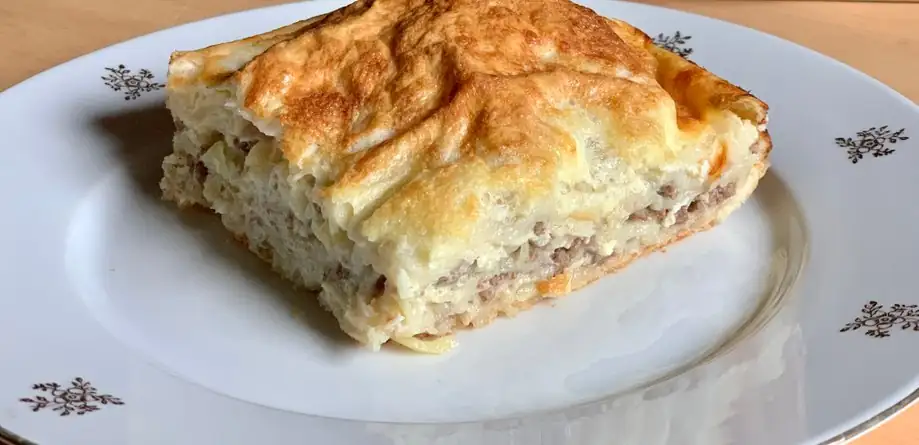
Burek is one of the most misunderstood Balkan dishes. It is often simply described abroad as a "savory pie", but in the Balkans the nomenclature is much more specific. Traditionally, burek is a pie with a meat filling, while versions with cheese, spinach or other fillings have their own names.
This is where heated debates often start. Foreigners often use the word burek as a generic name for all types of thin-crust pies, which can quickly cause locals to roll their eyes. In the Balkans, it doesn't matter what's in the pie - if it's with cheese, it's simply cheesecake, not burek.
Adding to the confusion are regional differences. Different countries and places have their own variations, names, and preparation methods, so the rules aren't exactly the same everywhere. Yet the debate over what burek even is is one of the hottest culinary debates in the Balkans.
And while it may seem like an insignificant difference in name to a foreigner, for many Balkans it is much more serious. Burek is part of a culinary tradition, so misnaming it quickly sounds almost like someone doesn't know the basics of Balkan cuisine.
Why do misunderstandings occur?
The main reason is that Balkan cuisine is based on tradition, local customs, and even "rules" that are not written down but are well known to locals. Foreigners often adapt dishes to their own tastes, leading to new, sometimes very different interpretations.
Balkan food remains one of the most authentic, yet also most misunderstood cuisines in the world, precisely because of its simplicity, which hides much more than meets the eye.