Leave them alone
Martha and Rogelio own La Gaspareña ranch in Singuilucan, Hidalgo, 35 minutes from Teotihuacan, Mexico. The ranch is dedicated to preserving the agricultural and cultural system of the pulque maguey, Agave salmiana, known locally as manso.
From afar, everything looks perfect: a kitchen showcasing traditional dishes, hectares of monumental maguey plants tended like children, and pulque made with nearly extinct techniques from the era of the pulque haciendas. But for an agave to produce aguamiel—fermented sap in cowhides or wooden vats that results in the pre-Hispanic beverage—it must undergo 18 years of slow growth and 4 years of maintenance before yielding the precious liquid. Many of the agave plants used today are older than the couple's daughters, and perhaps those they are planting now will be used by their grandchildren, if any of the daughters decide to have them. Each sip of pulque contains up to 22 years of history, and it's painful that it remains so undervalued in price and reputation.
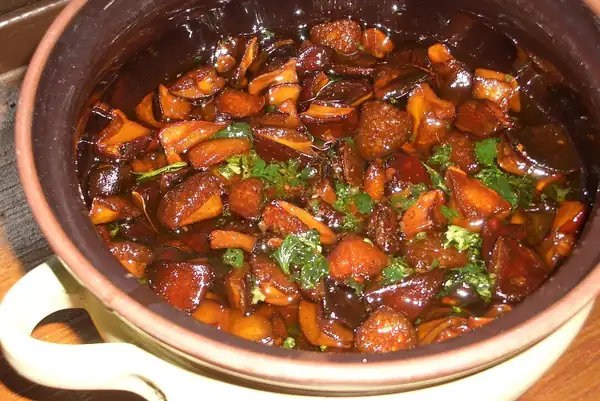
An hour from the ranch, in Acaxochitlán, lives Cristina Martínez. From a nanacatera tradition—nanacatl being the Nahuatl word for mushroom—her knowledge of the forest, her backyard cornfields, a life in harmony with nature, and a cuisine of plant-based dishes are all part of the rural life of rural Mexico. To outsiders, Cristina embodies the dream of those fed up with big cities, given her way of life, her dedication to maintaining the balance of the forests, her speech in Nahuatl, and her preservation of her culture. In recent years, she has showcased wild mushrooms around the world as an ancestral food and the traditional methods of her village. Demand is so high in Mexico City that other nanacateros have resorted to irresponsible harvesting to satisfy diners who pay up to 750 pesos (34 euros) for a dish with no more than 150 grams of mushrooms. Cristina is the voice of those who love their land above utility, and her life is dedicated to it.
Waiting a lifetime for a liter of pulque to cost 50 pesos (2.20 euros) or buying foraged mushrooms like Caesar's mushroom or morels in 6-kilo buckets for 500 pesos (23 euros) is immoral and inhumane. Perhaps the destiny of agave and wild mushrooms is to remain far from the gentrifying souls who see these practices as ways to fill their existential voids. Let those who pay fair prices for backbreaking work come to them. Those who don't understand the hardship and injustice inherent in these ways of life should stay in their cities, which offer them comfort and hypocrisy. If you don't respect, pay, and contribute, it's best not to go near them. Leave them in peace.