Mint
Mint is an aromatic herb native to Europe and South Asia. This herb adds a slightly sweet and very refreshing flavor to dishes and cocktails. There are many species of mint, although the most commonly used is spearmint or garden mint (Mentha spicata).
- 500 ml of filtered water at room temperature ((2 cups))
- 15 to 20 mint leaves ((common mint, peppermint, or both))
- 1 teaspoon of white sugar or honey (optional)
- 2 slices of lemon juice (optional)
- 2 teaspoons of lemon juice (optional)
- ice ((optional))
- Mint: Separate the mint leaves from the stems. Wash very gently so as not to remove the essential oils from the leaves.
- Heating: Heat the water until it boils.
- Infusion: Remove the water from the heat and add the mint leaves. Let it steep for 5 minutes (the longer it steeps, the stronger it will be).
- Sweeten (optional): add sugar or honey.
- Serve hot: Serve the tea with or without the mint leaves. Add lemon juice (optional) or lemon slices (optional) to the cup.
- Serve chilled: place ice in a tall glass and add the tea (with or without the leaves). Add lemon juice (optional) or lemon slices (optional) to the glass.
Mint belongs to the Lamiaceae family, also known as the "mint family". Other herbs in the same family as mint are: rosemary, sage, oregano, thyme, and lavender.
What is peppermint?
Spearmint (Mentha spicata) is the variety most frequently cultivated for use as an herb in cooking and beverages – when a recipe calls for mint, it is usually spearmint that should be used.
Peppermint (Mentha × piperita), another widely cultivated variety, is a bit too strong to be used fresh in most culinary applications. Instead, it is grown and processed into peppermint oil, which is then used as a condiment and may be further refined to produce menthol.
Fresh or dried peppermint leaves are often used alone in peppermint tea or with other herbs in herbal teas (tisanes, infusions). Peppermint is used to flavor ice cream, candies, fruit preserves, alcoholic beverages, chewing gum, toothpaste, and some shampoos, soaps, and skin products.
The flavor and aroma of mint.
Spearmint and peppermint are two types of mint, but their flavors are very different. Spearmint has a sweet and much milder flavor and is less spicy, making it ideal for savory dishes.
Spearmint contains only 0.05% menthol, while peppermint has up to 40% menthol. Because of the menthol, peppermint has a stronger and extremely refreshing flavor. However, this flavor is not ideal for savory dishes. But when it comes to sweets, peppermint is widely used, as it combines well with chocolate and citrus fruit flavors.
Traditional recipes with mint
Fresh mint leaves are usually cut into strips (chiffonade) and added to recipes.
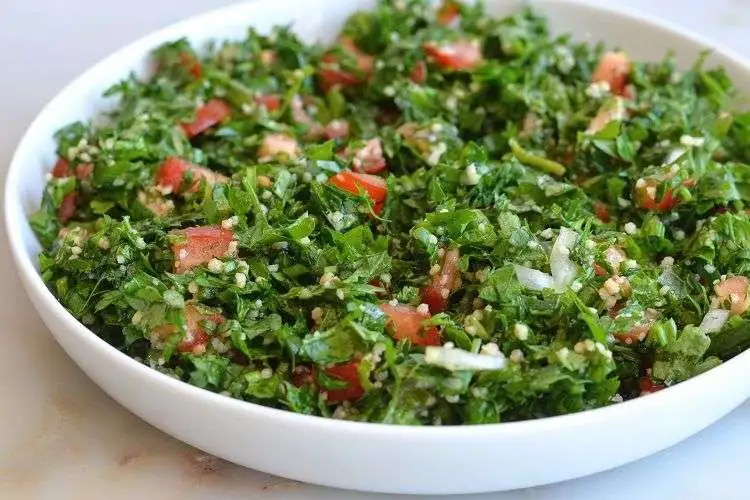
It is used in salads, such as in tabbouleh (read our tabbouleh recipe).
In cocktails, such as in the mojito (read our mojito recipe) and the mint julep.
Mint is also widely used to prepare teas, such as simple mint tea and Moroccan mint tea.
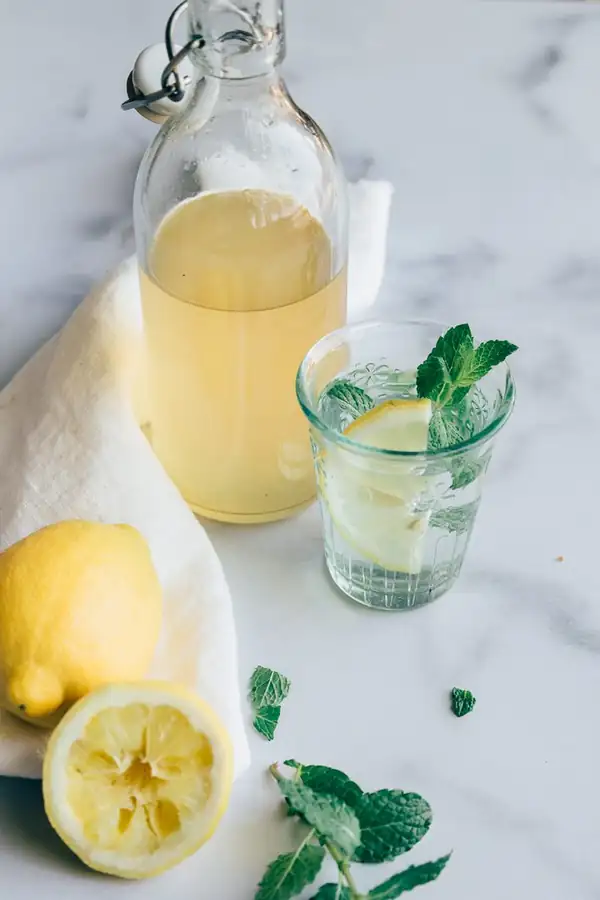
It is also added to juices to increase their refreshing quality. It is widely used in the preparation of lemonade.
In American and British cuisine, mint is made into a jelly, which is used as a sauce for meats.
How to buy and use mint?
Look for mint leaves that are vibrant, evenly colored, and not wilting. Smell the leaves to identify their refreshing aroma.
The leaves should be handled delicately so that they are not damaged and lose their essential oils. If the bunch of mint comes tied with a rubber band, remove it when you get home.
To store, place in a container or plastic bag, wrapped in a damp paper towel. This way the leaves will not dry out and can last for more than a week.
It is possible to dry fresh mint for later use. Cut long sprigs of mint, tie them into bundles, and hang them upside down. Once the leaves are dry, remove them and store them in a sealed jar or plastic bag.
Can I grow mint at home?
Yes. Mint plants are usually grown from seedlings, as growing them from seed is quite difficult.
These plants require little supervision. However, mint is extremely invasive and will take over your entire garden if you don't take preventative measures.
The mint plant needs plenty of sun or artificial light throughout the day. In very hot regions, the plant benefits from some shade.
Benefits of mint for health
Although mint is easy to add to many dishes, research demonstrating its health benefits has primarily used mint ingested in capsules, applied to the skin, or inhaled through aromatherapy.
For most of the cases below, studies use peppermint due to its higher concentration of menthol. It's important to read the studies to know which mint was used to obtain the study results. Spearmint is the green mint and Peppermint is the peppermint.
Always be careful about the source of information regarding the health benefits of certain foods. Many studies that claim to have benefits are of extremely dubious quality.
Does mint improve digestion?
Some studies suggest that peppermint oil could aid digestion. Studies indicate that food passes through the stomach more quickly when people take peppermint oil with meals.
Does mint relieve irritable bowel syndrome?
Preliminary research shows that using 30 drops of a product containing lemon balm, spearmint, and coriander after meals for 8 weeks reduces stomach pain in people with IBS when taken along with the drug loperamide or psyllium.
Some research shows that taking peppermint oil orally reduces stomach pain, bloating, gas, and bowel movements in people with IBS.
Does mint help relieve symptoms of asthma and other respiratory problems?
Breathing in the steam from hot water mixed with a few drops of peppermint oil can help open nasal passages.
Does mint help relieve symptoms of colds and flu?
Several studies show that menthol does not have a decongestant function. It only causes a subjective sensation of nasal decongestion.
Does mint relieve itching and skin irritations?
A study indicated that applying a 1% peppermint oil solution reduced the duration and severity of chronic itching (chronic pruritus).
For more information on peppermint and itching, read the study: Effectiveness of topical peppermint oil on symptomatic treatment of chronic pruritus.
Does mint improve oral health?
Chewing gum and mints can mask bad breath for a few hours. However, they only cover up the bad breath and do not reduce the bacteria or other compounds that cause bad breath.
There are no studies that indicate that spearmint improves oral health. On the other hand, drinking peppermint tea and chewing fresh leaves may be able to mask bad breath and kill bacteria, as test-tube studies have highlighted the antibacterial effects of peppermint oil.
For more information on mint and oral health, read the study: A review of the bioactivity and potential health benefits of peppermint tea (Mentha piperita L.)
Does mint improve memory and reasoning?
Preliminary research suggests that taking an extract of a special type of mint daily may help improve reasoning skills in older adults who have begun to notice problems with their thinking.
For more information on spearmint and memory/reasoning, read the study: Spearmint Extract Improves Working Memory in Men and Women with Age-Associated Memory Impairment.
Does mint prevent cancer?
There is insufficient evidence to assess the effectiveness of peppermint in treating any type of cancer.
Preliminary research shows that inhaling peppermint oil slightly reduces nausea caused by cancer drug treatment (chemotherapy).
What are the side effects of mint?
Spearmint is possibly unsafe when ingested in large quantities during pregnancy. Very large doses of spearmint tea can damage the uterus. Avoid using large amounts of spearmint during pregnancy.
Allergies to mint are not common. When they do occur, the allergic reaction can range from mild to severe and life-threatening. Cases of irritant and allergic contact dermatitis have been reported.
Peppermint tea recipe
Basic mint tea recipe. Use spearmint or peppermint, or both, depending on how refreshing you want it.
- Small saucepan (1 liter)