The initiatives of the Consortium of Vino Nobile di Montepulciano
The growing interest of wine enthusiasts in wine-themed tourism is opening up great opportunities for local areas and requiring ever-greater coordination from Consortia.
Recent European regulations, and in particular EU Regulation 2024/1143, reform the GI system and grant Consortia new powers and responsibilities, including addressing environmental, social, and economic sustainability, including developing tourism services in their geographical area.
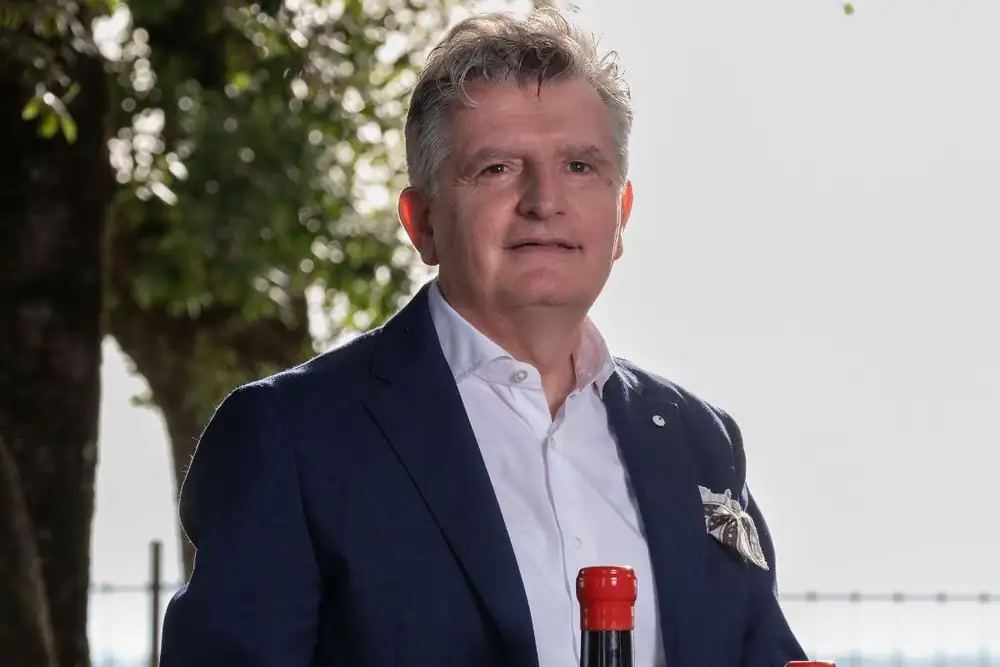
The Montepulciano area is among Italy's favorite destinations for wine lovers. In our exploration of the Consortia, we asked Director Paolo Solini to explain the role the Consorzio del Vino Nobile di Montepulciano plays in promoting wine tourism and to illustrate the main tools used to support this activity.
The Director first notes that the Municipality has responded to the need to promote sustainable wine tourism by recently obtaining international certification from the Global Sustainable Tourism Council, becoming a "sustainable tourism destination." "To achieve this goal, we created an operational task force composed of the Consortium, the University of Siena, the Strada del Vino Nobile di Montepulciano e dei Sapori della Valdichiana Senese, and the Arezzo-Siena Chamber of Commerce. The group was supported by Valoritalia."
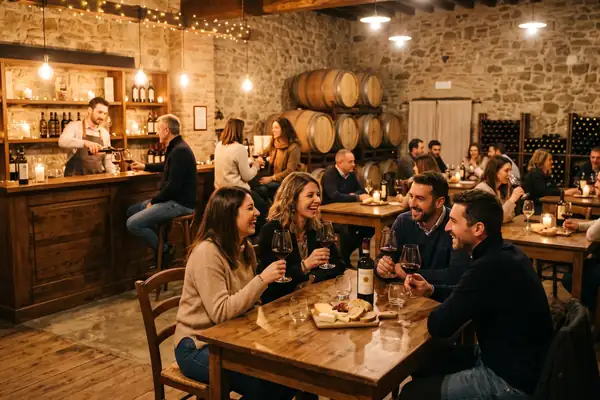
In Montepulciano, the connection between winemaking and tourism has always been very strong: we have historic cellars that are veritable wine museums; facilities that go far beyond tasting and selling the wine they produce. And sustainability is closely linked to tourism, which we wanted to place at the forefront of our values: in May 2022, we achieved Equalitas recognition, which requires that over 60% of the land producing Nobile and Rosso di Montepulciano be compliant with integrated pest management practices. Of course, this is by no means a finish line, but a journey, one we must continue to firmly believe in, beyond the recognition itself. We are now measuring our carbon footprint, water footprint, and biodiversity: aspects on which the certifying body itself will assess the seriousness of our commitment.
Montepulciano's responsibility for sustainability is primarily felt towards its residents. For example, near the Nottola Hospital, which serves the entire Val di Chiana, a park has been planted using native trees such as holm oaks, manna ashes, cherry trees, and more, thanks to the involvement of a thousand children. A place once devoted to suffering has been transformed into a beautiful beacon of vitality, embodying the message "trees, not words."
"If we consider the commitments and opportunities that the new European regulations have opened up today," the Director continues, "we can say that we have embraced these values for years, although it is clear that we will embrace the legislation's impetus to be increasingly sensitive to the issue of sustainable hospitality. However, I would like to share some significant data: the homeland of Vino Nobile has seen a significant surge in the so-called "Generation Z" population, aged between 20 and 25. This new consumer segment has demonstrated a strong demand for sustainability in winemaking practices and in general in actions aimed at supporting the region and the environment." To raise awareness among tourists about avoiding food waste, the #portamiconte project was launched here in Montepulciano. Thanks to the collaboration of over 200 wine shops, bars, and restaurants, it involves collecting unconsumed drinks and food in doggy bags and wine bags made from recycled and recyclable paper.