El turismo gastronómico rural exige una mayor visibilidad porque “estar en el origen no significa estar lejos”
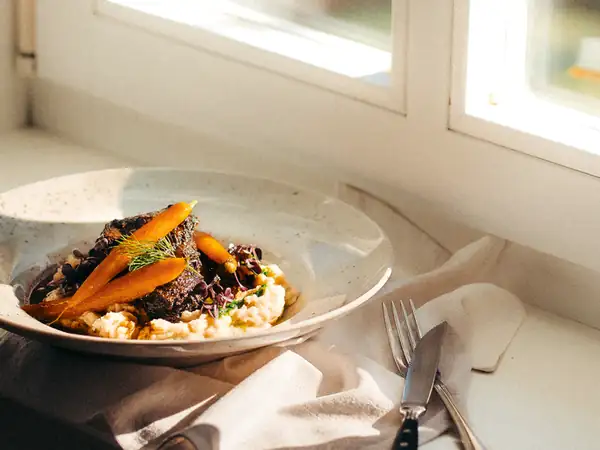
Nacho Manzano, chef del restaurante Casa Marcial, con tres estrellas Michelin, ubicado en el municipio asturiano de Arriondas, «donde hay más vacas que personas», cree firmemente en la capacidad de la gastronomía para atraer turistas, «porque la comida hace que la gente recorra kilómetros, ya sea que ofrezcas tradición o innovación; si lo haces bien, siempre te buscarán». Describió el valor de un restaurante rural para su región como «incalculable, no solo para la promoción, sino también para frenar la despoblación, fortalecer el tejido local y fomentar la regeneración cultural». Junto a él, David Yárnoz, chef del restaurante El Molino de Urdániz, con tres estrellas Michelin, en Navarra, explicó que decidió quedarse en el pueblo y hacerse cargo del restaurante familiar «por la personalidad que se desarrolla en el propio territorio, basada en la identidad que proporciona», recordando que «con la primera estrella, experimentamos un cambio en la clientela que inicialmente nos desestabilizó; la segunda nos ha transformado en un destino».
Nacho Manzano, chef of the three-star Casa Marcial restaurant, located in the Asturian municipality of Arriondas, “where there are more cows than people” firmly believes in gastronomy's ability to attract tourists, “because food makes people travel miles, whether you offer tradition or innovation; if you do it well, they will always seek you out.” He described the value of a rural restaurant to its region as “incalculable, not only for promotion, but also for curbing depopulation, strengthening the local fabric, and fostering cultural regeneration.” Alongside him, David Yárnoz, chef at the three-star El Molino de Urdániz in Navarre, explained that he decided to stay in the village and take over the family restaurant “because of the personality you develop in your own territory, based on the identity it provides” recalling that “with the first star, we experienced a change in clientele that initially threw us off balance; the second has transformed us into a destination.”
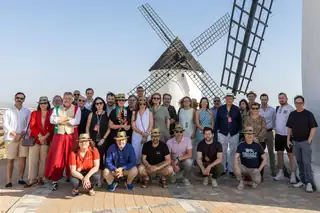
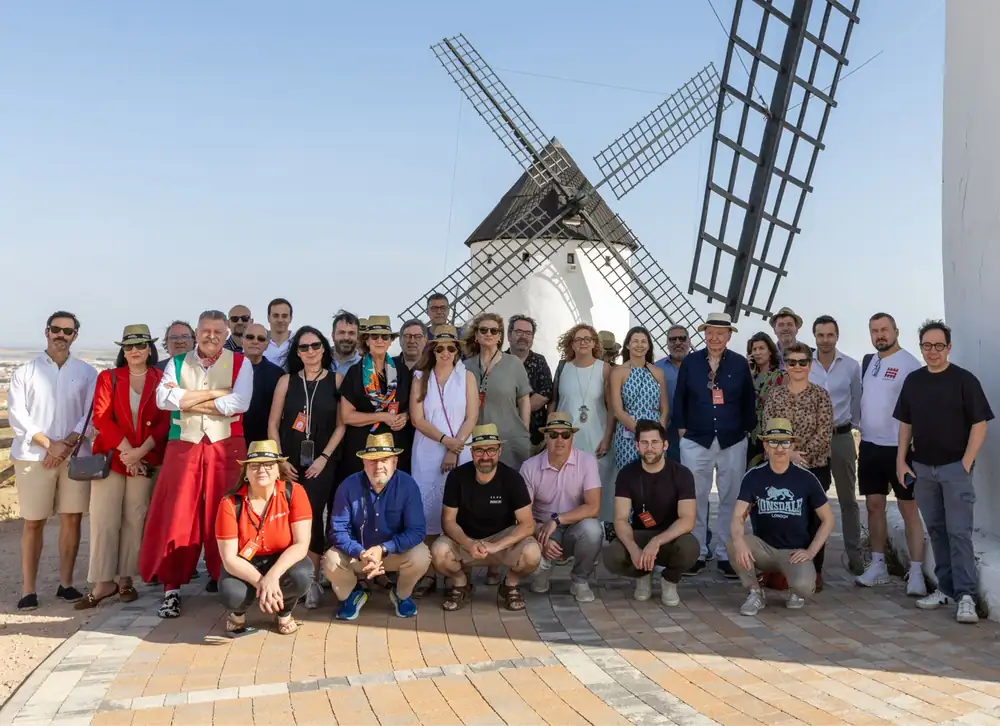
DiscoverEat Culinary Roots runs through different locations in Castilla-La Mancha, one of the regions that is betting the most on its gastronomy as a tourist attraction, promoting its local products and unique culinary experiences.
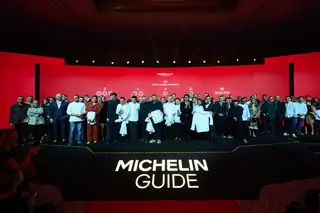
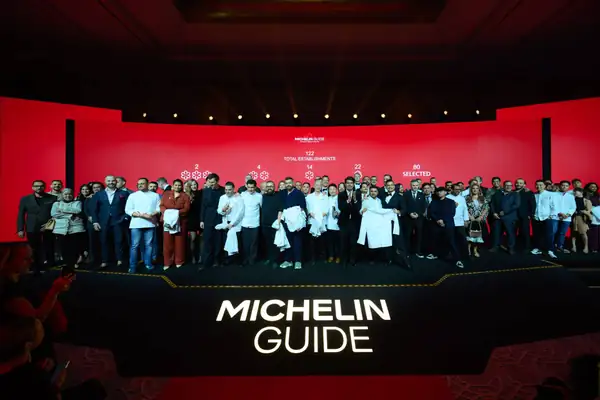
In another roundtable discussion, the cases of Sigüenza, Tomelloso, Baeza, and the neighboring Portuguese town of Reguengos de Monsaraz were presented, must-see destinations on the Iberian Peninsula that were represented at Discover-Eat by four Michelin-starred chefs. For Rubén Sánchez Camacho, chef at Restaurante Epílogo* in Tomelloso, the allure of gastronomy in a rural area is undeniable. “In 2017, I closed my restaurant in Daimiel, and Daimiel disappeared from the guides. At Epílogo, we offer Manchego cuisine that encourages visitors to explore the surrounding area, which is why Tomelloso has become a destination in its own right” he said. Meanwhile, Juan Carlos García, chef at Vandelvira*, affirmed that in Baeza, “we have significantly noticed the evolution of tourism, going from 1.78 overnight stays per visitor to 3.30 in 2024, and this is thanks to gastronomy, which has contributed to rural development, generating new business opportunities.”
Enrique Pérez, chef at El Doncel* (Sigüenza), believes it has helped "to reduce the seasonality of tourism in our area" and is optimistic about the future of rural cuisine, "because it boosts the growth of small producers, who would otherwise disappear." Alongside them, Carlos Teixeira, chef at Herdade do Esporão* (Reguengos de Monsaraz, Portugal), acknowledged that the key lies in valuing local resources, recognizing that "while always looking to Spain, in Portugal we have learned not to all promote the same product, but to celebrate local richness."
The rustic elegance of luxury
In the case of Dario Cecchini, owner of Antica Macelleria Cecchini in the Italian town of Panzano (Chianti), it is his profession as a butcher that has put his small, isolated corner of Tuscany on the world map. “I’m the last of my generation who stayed to live there, and I came back against my will due to family needs. Now my barber says I have to take care of myself because I’m the face of the town” this “responsible butcher” said with a laugh, “because I raise the animals with the respect and gratitude they deserve.” Twenty years ago, he opened “a space for the community, inspired by the Renaissance concept, where I offer the same menu to everyone, at the same price” and which receives around 2,000 reservations a week.
As April Cullom, CEO of '5 Sentidos Private Tours,' which promotes Spain's unique local offerings in the North American market, has stated, "Luxury is no longer material; it's a rustic elegance that provides exclusive experiences to which few have access." Her company offers experiences not found online, satisfying the culinary curiosity of its clients. "We're like art curators, inviting you to travel with your senses, because our clients like to experience firsthand the story behind their favorite ingredients, like the tuna cutting process in a Barbate almadraba," she explained. In this era of hyper-personalization, they focus "on achieving that element of surprise that makes the client feel like a VIP."
The presentation by Elise Botiveau, French ambassador to the World Food Travel Association, highlighted that “France was once a leader in gastronomic tourism, but no longer is. It has a rich history and all the ingredients to become one again, but it faces significant challenges, particularly in promoting its rural areas, such as a lack of investment, labor shortages, low levels of digital literacy, and highly fragmented governments” she warned, revealing that the national Horizon 2024 plan includes a chapter dedicated to the necessary revitalization of rural areas, strengthening agriculture and contributing to decentralizing tourism and making it more inclusive.”
The necessary collaboration between the Administration and the private sector
The mayor of Alcázar de San Juan, Rosa Melchor, invited those present to discover “the rich gastronomic heritage of the region, home to many of the Don Quixotes and Sancho Panzas of the world” before giving the floor to the Director General of Tourism, Commerce, and Crafts of the Regional Government of Castilla-La Mancha, Ana Isabel Fernández Samper. Fernández Samper cited the Culinary Roots initiative developed by her administration, “in which gastronomy is the strategic pillar for promoting the region and the unifying element that brings us together” she noted, urging all levels of government to commit to public policies, especially those aimed at incentivizing local businesses and the self-employed. Rosa Vañó, Commercial Director of Castillo de Canena, acknowledged the institutional support that has led Jaén “to become one of Spain’s leading examples of how a province can reinvent itself. Our Provincial Council has been instrumental in setting the course, and businesses have shown trust and patience” she stated.
Another compelling example was that presented by Lucie Lefèvre, Bordeaux's local coordinator for the Great Wine Capitals Global Network, a "region famous for its wine, where the rest of the industries must rise to the occasion. It's a great challenge that requires us to work together, helping small businesses to give their best," she acknowledged, citing the annual "Best of Wine Tourism" awards as a useful initiative that has fostered excellence in the region. At the same panel, Almudena González Gutiérrez de León, Professor of Tourism and Hotel Law and an expert in regenerative tourism destinations at Saxion University of Applied Sciences (Netherlands), highlighted the important role of universities, "since their impartiality fosters partnerships between the public and private sectors, in addition to contributing to process monitoring, knowledge transfer between different disciplines, and promoting talent retention."