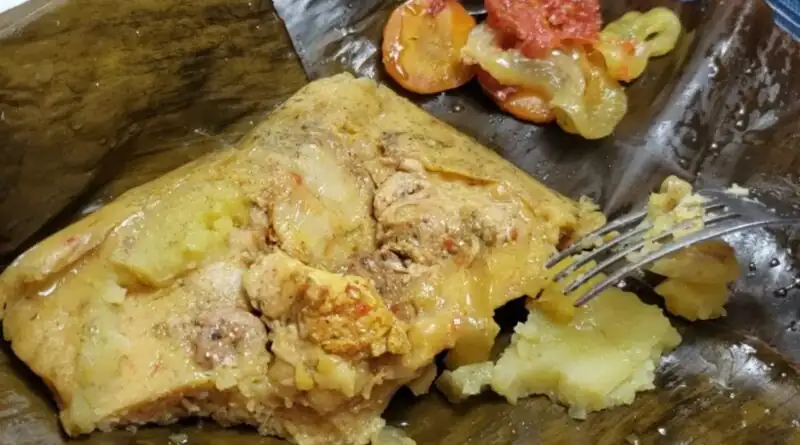
Colombian tamale recipe: how to prepare traditional tamales step by step
Discover how to prepare traditional Colombian-style tamales
In the rich and diverse gastronomy of Latin America, tamales hold a special place. Although in Peru we have our own variations, today we want to share an authentic Colombian tamale recipe, a delicacy that stands out for its flavor, texture, and tradition. These tamales are characterized by their wrapping in plantain leaves and a juicy filling that combines meats, rice, and vegetables, creating a complete dish steeped in history.
Making tamales Colombian-style is a process that requires time, patience, and care, but the result is worth every minute invested. In this article, we'll teach you step-by-step how to make this traditional recipe so you can enjoy a dish full of flavor and culture at home.
Essential ingredients for making Colombian tamales
Before starting the preparation, it's essential to have all the ingredients to ensure the recipe's success. Here's a list of what you'll need:
- Dough: precooked corn flour (can be white or yellow), water or chicken broth, and a little lard or oil to give it softness.
- Filling: shredded chicken, diced pork, pre-cooked rice, diced carrots, green peas, Creole or yellow potatoes, and hard-boiled egg.
- Seasonings: garlic, scallions, cumin, pepper, salt and annatto to give color and flavor to the dough.
- Banana leaves: washed and passed over a fire to make them flexible and prevent them from breaking when wrapping the tamales.
Step-by-step preparation of traditional Colombian tamales
The process begins with preparing the dough. In a large bowl, mix the cornmeal with the hot chicken broth, adding it gradually to avoid lumps. Add the melted lard and annatto to achieve that characteristic color. Season with salt and pepper to taste and knead until you obtain a smooth, manageable dough.
While the dough rests, it's time to prepare the filling. In a skillet, sauté the finely chopped garlic and scallions until golden brown. Add the previously cooked meats, cut into medium-sized pieces. Add the vegetables, such as carrots and peas, and mix well to combine the flavors. Season with cumin, pepper, and salt to taste.
With the banana leaves ready, proceed to assemble each tamale. Take a leaf and place a generous portion of dough in the center, spreading it into a rectangular shape. On top, add a spoonful of cooked rice, some of the meat and vegetable filling, and a piece of hard-boiled egg. Then, cover with another thin layer of dough.
To close the tamale, carefully fold the banana leaf, forming a compact package and making sure there are no gaps. You can use strips of leaf or kitchen twine to tie it and maintain its shape during cooking.
Tips for perfect cooking and ideal presentation
Colombian tamales are traditionally steamed, a method that allows the dough to become soft and the filling to cook thoroughly without losing its juiciness. Place the tamales in a steamer or a pot with a rack, making sure the water doesn't touch the tamales. Cook for approximately 2 to 3 hours, depending on the size of the packages.
It's important to check the water level during cooking to prevent it from drying out and the tamales from burning. If necessary, add more hot water without interrupting the cooking process. Once cooked, let them rest for a few minutes before opening the packages to allow the flavors to meld.
To serve, place the tamales on a plate accompanied by homemade hot sauce, a portion of white rice, or a fresh salad. In Colombia, it's common to enjoy this delicacy at special celebrations or family Sundays, and it's sure to become a favorite dish in Peru as well.
Variations and recommendations for customizing this traditional recipe
The beauty of Colombian tamales lies in their versatility. You can adapt the filling according to your preferences or the ingredients available. For example, some regions include chickpeas or beans, while others add pieces of chorizo to intensify the flavor.
If you prefer a vegetarian option, replace the meat with mushrooms, peppers, and other vegetables, maintaining the essence of the dish but with a different twist. You can also experiment with the type of dough, using yellow corn for a sweeter flavor or white corn for a more neutral taste.
The cultural value of tamales in Colombia and their arrival on the Peruvian table
Beyond being a delicious dish, Colombian tamales represent an ancestral tradition that unites families and communities. Their preparation is an act of love and patience, often involving several family members, from selecting the ingredients to the final cooking.
In Peru, where gastronomy is so diverse and highly valued, incorporating this recipe creates a bridge between cultures and flavors. Colombian tamales can be an excellent option for adding variety to home-cooked meals and surprising family and friends with a dish that combines history, flavor, and culinary technique.
Why try making Colombian tamales at home?
Making tamales at home is an enriching experience that goes beyond the simple act of cooking. It allows you to connect with a different culinary tradition, learn new techniques, and enjoy a dish that is both hearty and comforting.
Furthermore, by making them yourself, you have complete control over the ingredients, guaranteeing freshness and quality. You can adjust the seasonings and filling to your liking, making each tamale a unique creation. Without a doubt, this recipe is an excellent way to expand your culinary repertoire and share unforgettable moments around the table.
Recommended tools and utensils to facilitate preparation
To make preparing these tamales easier and more efficient, it is recommended to have some specific utensils:
- Steamer or couscous pot: ideal for cooking tamales evenly by steaming.
- Large bowl: for mixing the dough comfortably.
- Sharp knife: for cutting the ingredients into suitable pieces.
- Kitchen twine or strips of banana leaf: to tie the tamales and keep their shape.
- Tongs or kitchen gloves: to handle hot sheets without burning yourself.
Final details to make your recipe a resounding success
Remember that the key to a good Colombian tamale lies in the quality of the ingredients and patience during cooking. Don't rush the process and allow each tamale to cook slowly so that the dough becomes perfectly smooth and the filling is well integrated.
If you want to intensify the flavor, you can marinate the meats in advance in a mixture of spices and garlic. This will add depth to the filling and make every bite an explosion of authentic flavors.
Finally, pair your tamales with traditional drinks like aguapanela with lemon or Colombian coffee to complete an unforgettable gastronomic experience.