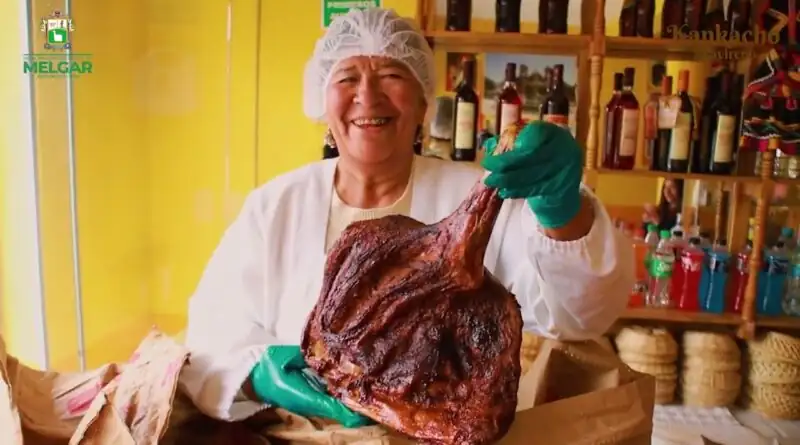
Traditional ayavireño kankacho recipe step by step
Discover the authentic flavor of traditional Ayaviri-style kankacho
In Peru's vast and diverse gastronomy, each region contributes unique dishes that reflect its culture, history, and local products. One of the culinary treasures of the Peruvian highlands is kankacho ayavireño, an ancestral preparation passed down through generations in the city of Ayaviri and its surrounding areas. This dish embodies the richness of Andean tradition and is a prime example of how local ingredients and ancestral techniques combine to create unparalleled flavors.
If you're looking for a traditional step-by-step recipe to prepare this gastronomic gem at home, here's a detailed guide so you can enjoy the real Ayaviri kankacho, maintaining its essence and original flavor.
What is the Ayaviri kankacho?
Kankacho ayavireño is a stew made primarily with mutton, seasoned with herbs and spices typical of the Andean region. Its traditional preparation includes slow-cooking techniques that allow the meat to become tender and the flavors to meld perfectly. It is an ideal dish to share with family and celebrate local festivities, and is a symbol of identity for the inhabitants of Ayaviri.
Essential ingredients for preparing Ayaviri-style kankacho
To prepare this traditional recipe, it's essential to have fresh, high-quality ingredients. Below, we detail the basic components you'll need:
- Lamb meat: preferably cuts with bone to give more flavor to the stew.
- Native potatoes: Andean varieties provide unique texture and flavor.
- Ají panca and ají amarillo: to give that characteristic touch of spice and color.
- Red onion: finely chopped for the base of the stew.
- Garlic: ground to enhance the aroma.
- Aromatic herbs: such as huacatay and oregano, essential in Ayaviri cuisine.
- Salt and pepper: to taste.
- Meat broth or water: for cooking.
Step-by-step preparation for a traditional Ayavireño kankacho
The key to a delicious stew lies in respecting each stage of the cooking process. Below, we explain how to prepare this traditional recipe in detail to ensure spectacular results.
1. Initial preparation of the meat
Begin by trimming the lamb, removing excess fat if necessary, but without removing it completely, as it adds flavor and juiciness. Cut the meat into medium-sized pieces, suitable for even cooking. Then, season with salt and pepper and let it rest for a few minutes to allow the seasonings to penetrate.
2. Basic sofrito
In a clay pot or heavy saucepan, heat a little oil and add the chopped red onion. Sauté over medium heat until the onion is translucent and lightly browned. Stir in the minced garlic and continue cooking for a couple of minutes to release its aroma. Add the previously ground or pasted ají panca and ají amarillo, mixing well to incorporate them into the sofrito.
3. Cooking the meat
Add the meat to the pot and mix it with the sofrito, making sure each piece is well coated. Let the meat brown slightly to seal in the juices. Then, add the aromatic herbs, such as huacatay and oregano, which provide that characteristic fresh flavor. Cover with beef broth or water until the meat is just barely submerged.
Reduce the heat to low, cover the pot, and let it simmer gently for about two hours. This process is essential for the meat to tenderize and the flavors to meld. It's important to check on it occasionally and add more liquid if needed, preventing it from drying out or burning.
4. Adding the potatoes
When the meat is almost cooked, add the peeled and roughly chopped native potatoes. Continue cooking for another 30 to 40 minutes, until the potatoes are tender but still firm and have absorbed some of the stew's flavor. Adjust the seasoning with salt and pepper to taste.
5. Finishing touches
Before removing from the heat, check that the stew has reached the desired consistency. If you prefer a more brothy kankacho, you can add a little more broth or water and let it simmer gently. If you want a thicker stew, cook uncovered for a few minutes to allow the liquid to reduce.
Finally, turn off the heat and let the dish rest for a few minutes to allow the flavors to meld. Serve hot, accompanied by a fresh salad or some typical local pickled vegetables, such as oca or tarwi.
Variations and tips to perfect this Andean stew
While the classic recipe retains its essence, there are some variations you can try to give it a personal touch or adapt it to what you have on hand:
- Use of different cuts of meat: some families use lamb or even mix it with alpaca meat for a more intense flavor.
- Adding vegetables: adding carrots or broad beans can provide a sweet and textural contrast.
- Pre-marinating: Marinating the meat with chicha de jora or red wine for a few hours can intensify the flavor.
- Using traditional pots: if you have access to a clay pot, the flavor and cooking will be more authentic.
Also, remember that the quality of the ingredients is essential. In the Peruvian highlands, the freshness and authenticity of the products make all the difference, so choosing native potatoes and meat from a good source will guarantee an excellent result.
The ayavireño kankacho in Peruvian culture and table
This dish is not just a recipe, but a symbol of Ayaviri's identity and Andean culinary tradition. At important festivities, such as the Fiesta de la Candelaria, or at family celebrations, kankacho holds a place of honor, bringing families together around its flavor and aroma.
Today, this stew has transcended regional borders and is enjoyed in various parts of Peru and around the world, where the Peruvian community seeks to preserve and share its culinary roots. Preparing this recipe at home is a way to connect with that cultural heritage and enjoy a dish full of history and flavor.
Recommendations to accompany the ayavireño kankacho
To enhance the gastronomic experience, you can accompany this stew with typical options that complement its flavors:
- Boiled corn: Andean corn provides sweetness and texture.
- Fresh salads: with tomato, onion and cilantro for a refreshing contrast.
- Fresh cheese: a dairy touch that softens the spiciness.
- Chicha morada: the traditional drink that balances flavor and refreshes the palate.
In this way, you can enjoy a complete, representative and delicious meal that celebrates the best of Peruvian gastronomy and the richness of the highlands.
Final considerations for cooking this Ayaviri dish at home
When preparing this stew at home, keep in mind that patience is key. Slow and careful cooking allows the meat and other ingredients to release their full potential, resulting in a deep and comforting flavor. Don't rush the cooking time or increase the heat to speed up the process, as this could negatively affect the texture and taste.
It's also recommended to prepare this dish in advance, as it tends to have an even more intense and delicious flavor the next day. If you like, you can reheat it with a little broth to retain the moisture.
Finally, remember that Peruvian gastronomy is an invaluable cultural heritage, and by preparing dishes like this Ayaviri stew, you are participating in the preservation and dissemination of our culinary traditions.