Recipe for Creole pastries: step by step to prepare the traditional ones
Indulge in authentic Peruvian Creole pastries
In Peru's rich and varied cuisine, traditional pastries hold a very special place. These treats, which combine intense flavors and a distinctive texture, are an essential part of celebrations and daily life in many regions of the country. If you've ever wondered how to prepare these delicious delicacies at home, this article will guide you step by step so you can achieve a spectacular and flavorful result, worthy of sharing with family and friends.
What are "pastelitos criollos" and why are they so special?
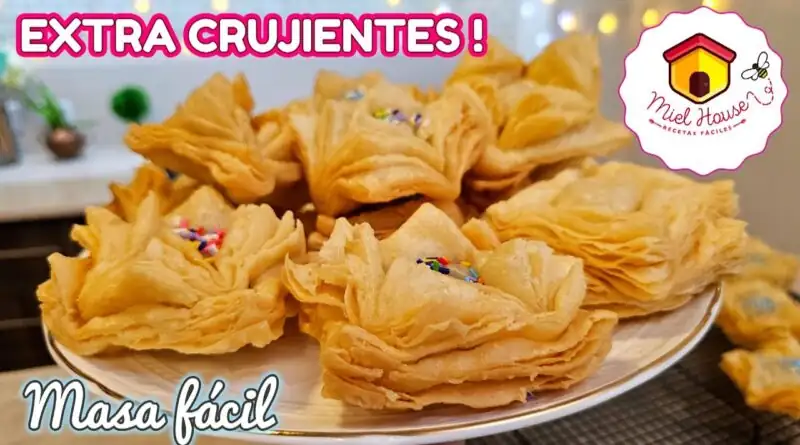
Pastelitos criollos are a type of small, fried or baked pastry, typically filled with a meat stew seasoned with traditional Peruvian ingredients such as yellow chili peppers, onions, garlic, and spices that give them their distinctive flavor. Their crust is crispy and slightly flaky, which contrasts perfectly with the juicy and well-seasoned filling. More than just a simple snack, these pastries represent a culinary tradition passed down through generations.
Basic ingredients for the dough
To achieve the right dough texture, it's important to use quality ingredients and follow a few tricks that I'll share below. The dough should be soft, manageable, and have a crispy texture after frying or baking.
The filling: the soul of the pastries
The filling is what truly sets these pastries apart from other empanadas or similar snacks. The secret lies in the preparation of the filling, which must be flavorful, juicy, and well-seasoned.
Typical filling ingredients include:
- Ground or chopped garlic
- Yellow chili pepper, which provides the characteristic spiciness and aroma.
- Cumin, pepper and salt to taste.
- Raisins and black olives, which add a sweet and salty contrast.
- Chopped hard-boiled egg, to complement the texture.
Step-by-step preparation for obtaining perfect Creole pastries
To recreate this delicious treat at home, it's essential to follow each step carefully. Patience and attention to detail in the preparation will make all the difference in the final result.
1. Prepare the dough
Begin by sifting the flour into a large bowl to prevent lumps and make mixing easier. Add the salt and mix lightly. Incorporate the butter, either melted or at room temperature, so that it blends well with the flour.
Using your hands or a cookie cutter, mix until you obtain a sandy, crumbly texture. Then, gradually add the cold water while gently kneading until a smooth, homogeneous dough forms. Avoid over-kneading to prevent the dough from becoming tough.
Cover the dough with a clean cloth and let it rest in the refrigerator for at least 30 minutes. This step is essential for the dough to firm up and become easier to handle.
2. Prepare the filling
In a large skillet, heat a little oil and sauté the chopped onion until translucent. Add the garlic and ground yellow chili pepper, mixing well to combine the flavors.
Stir in the ground beef and cook over medium-high heat, stirring constantly to ensure even cooking and prevent large lumps from forming. Season with salt, pepper, and cumin to taste.
When the meat is almost cooked, add the raisins and chopped olives, mixing to distribute them. Finally, add the chopped hard-boiled egg and stir well. Let the filling cool before using to prevent the pastry from becoming too soggy.
3. Assembling the pastries
Remove the dough from the refrigerator and roll it out on a lightly floured surface to a thickness of approximately 3 millimeters. Using a round cutter or a small plate, cut out circles of dough about 10 centimeters in diameter.
Place a generous spoonful of filling in the center of each circle, being careful not to overfill them so they don't break when you close them. Moisten the edges with a little water so they stick together better.
Fold them in half to form a half-moon shape and press the edges with a fork or by making a traditional crimp to seal them well.
4. Cooking
The pastries can be deep-fried in plenty of hot oil until golden brown and crispy, or baked for a lighter option. If you choose to fry them, make sure the oil is at the right temperature (around 180°C) to prevent them from absorbing too much oil.
If you prefer to bake, place the pastries on a baking tray lined with parchment paper, brush them with beaten egg to give them shine and bake at 200°C for approximately 20 minutes or until golden brown.
Tips and tricks to perfect your preparation
To give your cupcakes that special touch that makes them irresistible, I'm sharing some tips I've learned over time:
- Use lard instead of butter for the dough if you want a more traditional flavor and an even flakier texture.
- Don't skimp on the filling. A good pastry should be well filled, but not so full that the pastry breaks when you close it.
- Let the dough rest to allow the gluten to relax; this makes it easier to stretch and prevents the dough from shrinking when baking.
- Try different fillings like shredded chicken, aji de gallina, or even vegetarian options to vary the dish without losing its Creole essence.
- Serve accompanied by a good Creole sauce or a hot chili pepper to further enhance the flavors.
The place of pastries in Peruvian culture
Beyond their flavor, pastelitos are a fundamental part of Peruvian culinary identity. They are enjoyed at family gatherings, celebrations, and as a snack in markets and street stalls. Their preparation is often a time for connection, where grandmothers and mothers pass on their secrets to new generations.
In each region of Peru, you can find slight variations in the recipe, adapted to local ingredients and particular tastes. This demonstrates the richness and diversity of our Creole cuisine, which remains relevant and continues to evolve over time.
Ideal pairings to enjoy your pastries
For the full experience, I recommend pairing these pastries with traditional Peruvian drinks. For example, a hot emoliente on chilly mornings or a refreshing chicha morada during the day. They also go very well with a Peruvian craft beer for those who prefer something with a more modern touch.
Also, don't forget to prepare a fresh Creole sauce, made with red onion, lemon, chili pepper and cilantro, which enhances the flavor and adds freshness to the bite.
Variations and adaptations for modern palates
While the traditional recipe is the most well-known and enjoyed, various adaptations have been created in Peru and around the world to satisfy different tastes and dietary needs. For example:
- Baked pastries for those looking to reduce their consumption of fried foods.
- Vegetarian fillings with sauteed vegetables, mushrooms or quinoa, maintaining the Creole spirit but with a healthy approach.
- Wholemeal dough to provide more fiber and nutrients.
- Mini versions for snacks at events or meetings.
These variations allow pastries to remain a staple on the Peruvian table, adapting to current trends without losing their essence.
Basic equipment for preparing cupcakes at home
To facilitate preparation and obtain a good result, it is useful to have certain utensils:
- A large bowl for mixing the dough.
- Rolling pin for stretching dough
- A circular cutter or a small plate for cutting the dough.
- Frying pan or deep fryer for cooking.
- Tongs or spatula for handling the pastries in the oil.
- Baking tray and parchment paper if you choose to bake.
Explore and enjoy the richness of Peruvian Creole cuisine
Making pastelitos at home is a wonderful way to connect with Peruvian traditions and share unforgettable moments around the table. I invite you to experiment with this recipe, personalize it to your liking, and surprise your loved ones with a treat full of history and flavor.
Remember that cooking is an art that is learned with practice and passion, and that every detail counts to achieve that result that will make your traditional pastries the favorite on any occasion.