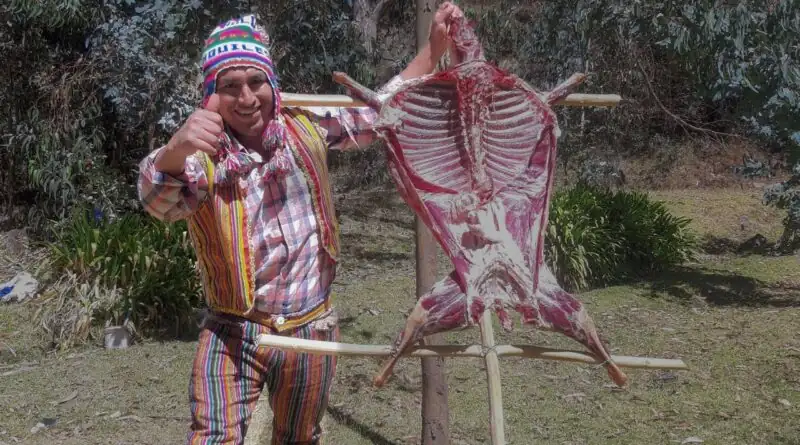
Spit-roasted lamb recipe: how to prepare a traditional roast step by step
Discover the authentic taste of spit-roasted lamb: a traditional Peruvian roast
Roast lamb on a spit is one of the most emblematic dishes of Peruvian cuisine, especially in the Andean regions and highlands. This ancestral technique consists of roasting a whole lamb, previously seasoned and placed on a wooden spit or pole, which is cooked slowly over an open fire. The result is juicy, tender meat with a unique flavor that evokes family celebrations and traditional festivities.
In this article, we'll teach you how to prepare this delicious dish step by step, with details that will help you achieve a perfect roast, just like they do in the high Andean communities. If you want to surprise your family or friends with a dish that represents Peru's culinary identity, this guide is for you.
What is "carnero al palo" and what is its origin?
Spit-roasted lamb, also known as spit-roasted lamb or lamb on a stick in some regions, is a cooking technique deeply rooted in Peruvian rural traditions. Lamb is a highly valued animal in the Peruvian highlands, not only for its meat but also for its role in ancestral festivities and rituals. Cooking it on a spit allows the meat to cook slowly, preserving all its juices and aromas.
The method involves skewering the whole animal or large pieces with a sturdy wooden pole, which is then placed on a stand near a wood or charcoal fire. The ram is slowly rotated or held stationary, and the indirect heat allows for even and thorough cooking, resulting in tender meat with an irresistible smoky flavor.
Essential ingredients for preparing spit-roasted lamb
Before starting the preparation, it's essential to have fresh, high-quality ingredients to guarantee a successful barbecue. Here are the indispensable elements:
- A whole ram or large pieces (preferably 10 to 15 kg, depending on the number of diners).
- Coarse salt to season the meat.
- Ground garlic to enhance the flavor.
- Aromatic herbs such as rosemary, oregano, and bay leaf.
- Ground black pepper
- Chicha de jora or white wine for marinating.
- Firewood or charcoal for the fire.
- Wooden sticks
Preliminary preparation: marinating and seasoning the lamb
Marinating is a key step in making lamb tender and flavorful. First, thoroughly clean the lamb, removing any excess fat and bits that could affect the taste. Then, prepare a mixture of minced garlic, coarse salt, black pepper, and finely chopped herbs.
With this mixture, rub the entire surface of the lamb, making sure to coat all parts well, including the inside if you opened the animal to facilitate cooking. Then, place the lamb in a large container and pour the chicha de jora or white wine over it. Cover with plastic wrap and marinate in the refrigerator for at least 12 hours, although ideally it should marinate for 24 hours to allow it to fully absorb the flavors.
This process not only adds flavor, but also helps to soften the meat fibers, achieving a softer texture when grilling.
How to roast lamb on a spit: steps for perfect cooking
Once the lamb has rested in the marinade, it's time to prepare it for roasting. The first step is to skewer the meat on a sturdy wooden stick. For this, it's important that the stick is long enough to support the animal's weight and sharp enough to pierce the meat without damaging it.
Carefully pierce the lamb from side to side, making sure it's secure and balanced so it doesn't tilt during cooking. Some people use rope or wire to tie certain parts together to prevent them from moving or opening up while roasting.
Once ready, place the spit on a stand or structure that allows you to slowly rotate the mutton over the fire or keep it stationary at a safe distance from the heat. The goal is for the meat to cook evenly and not burn.
Cooking: tips for a traditional open-fire roast
The secret to a good spit-roasted meat lies in patience and fire control. You must light a fire with wood or charcoal, ensuring the embers are well-lit and the fire isn't too intense to prevent the meat from burning on the outside and remaining raw on the inside.
Place the lamb a safe distance from the fire, approximately 50-60 cm, and begin cooking. The process can take between 4 and 6 hours, depending on the size of the lamb and the intensity of the heat. During cooking, it is important to slowly turn the spit so that the meat browns evenly.
To retain moisture and prevent the meat from drying out, some people baste the lamb with the marinade or water, using a brush or spray bottle. You can also partially cover it with banana leaves or aluminum foil at certain times to protect it from direct heat.
It's essential to keep a close eye on the barbecue, ensuring the coals maintain a consistent temperature and adding more wood if needed. Remember that slow cooking is key to tender meat with a delicious smoky flavor.
How to tell when lamb is ready to serve
To determine if the meat is cooked to perfection, observe its color and texture. The skin should be golden brown and crispy, while the meat should easily pull away from the bone. If you have a meat thermometer, the internal temperature should reach approximately 75°C in the thickest part.
You can also pierce the meat with a fork or knife to check that the juices run clear and not bloody, which indicates that it's cooked through. Once it's ready, remove the lamb from the heat and let it rest for a few minutes before carving and serving.
Traditional side dishes for this delicious Peruvian roast
Spit-roasted lamb is best enjoyed with traditional side dishes that complement its intense flavor. Some classic options include:
- Boiled potatoes or native Andean potatoes, which provide a mild and natural flavor.
- Boiled corn, the traditional Peruvian corn.
- Huacatay chili or some hot sauce to enhance the flavor.
- Fresh salads of tomato, onion and lettuce to balance the fat from the meat.
- Chicha morada or a traditional drink to accompany the dish.
Variations and tips to innovate in your barbecue
While the traditional method is highly valued, there are some variations you can try to give your dish a personal touch. For example, you can experiment with different marinades, adding spices like cumin, paprika, or even a touch of ground ají panca to intensify the flavor.
Another option is to incorporate vegetables during cooking, placing potatoes, sweet potatoes, or corn around the lamb so they cook at the same time and absorb the aromas of the roast. This is very common in some regions of Peru and adds value to the dish.
If you don't have a space to make an open fire, you can also adapt the recipe using an oven or a grill with a rotating function, although the characteristic smoky flavor will be less intense.
The cultural value of roast lamb in Peruvian gastronomy
Beyond being a culinary preparation, this dish represents a connection to Andean roots and ancestral traditions of Peru. In many communities, spit-roasted lamb is a social event that brings together families and neighbors to celebrate festivities, weddings, or important holidays.
The technique of slowly roasting meat over an open fire is a legacy passed down from generation to generation, and today it remains an expression of identity and cultural pride. Preparing this dish at home is a way to keep this tradition alive and share a piece of Peruvian history with your loved ones.
Final tips for achieving a spectacular spit-roasted ram
Finally, here are some practical tips to help you achieve the best results:
- Patience: Slow cooking is essential for the meat to be tender and juicy.
- Fire control: Keep the embers constant and prevent the flames from directly touching the meat.
- Prolonged marinating: Let the lamb rest for at least 12 hours to absorb all the flavors.
- Use of appropriate wood: Prefer firewood from fruit trees or hardwoods for a better aroma.
- Hygiene: Clean the lamb and utensils thoroughly to avoid unwanted flavors.
With these instructions, you are now ready to prepare a traditional roast that will delight all your guests and allow you to enjoy an authentic and memorable culinary experience.