Easy and quick hake ceviche recipe to prepare at home
How to prepare an exquisite hake ceviche at home
Hake ceviche is a perfect option for those looking for a fresh, healthy dish bursting with Peruvian flavor. This preparation is ideal for hot days or any occasion when you want to enjoy a traditional dish without any fuss. In this guide, we'll teach you step-by-step how to make an easy and quick hake ceviche, using readily available ingredients and simple techniques so you can recreate it in your own kitchen.
This dish is characterized by its combination of fresh fish, lemon juice, onion, and chili pepper, which together create an explosion of flavors. Hake, with its soft texture and delicate flavor, is an excellent alternative for those who prefer a less intense but equally delicious fish.
Ingredients needed for a Peruvian-style hake ceviche
Before you begin preparing ceviche, it's essential to have the right ingredients to achieve that authentic flavor that distinguishes Peruvian ceviche. Below is a detailed list of what you'll need:
- 500 grams of fresh hake fillet, skinless and boneless
- 10 Peruvian lemons (or key limes if you can't find those)
- 1 large red onion, thinly sliced
- 1 aji limo pepper (you can adjust the amount according to your taste for spiciness)
- 1 finely chopped garlic clove
Step-by-step preparation for a quick and delicious hake ceviche
Once you have all the ingredients ready, it's time to move on to the preparation, which shouldn't take more than 20 minutes. The key is the freshness of the fish and the balance between the acidity of the lemon and the spiciness of the chili pepper.
First, cut the hake fillet into uniform cubes of approximately 1.5 to 2 centimeters. It is important that the pieces are even so that they cook uniformly with the lemon juice.
Place the hake cubes in a large glass or plastic container (avoid metal so it doesn't alter the flavor). Add salt and pepper to taste, mixing gently so the seasonings are well distributed.
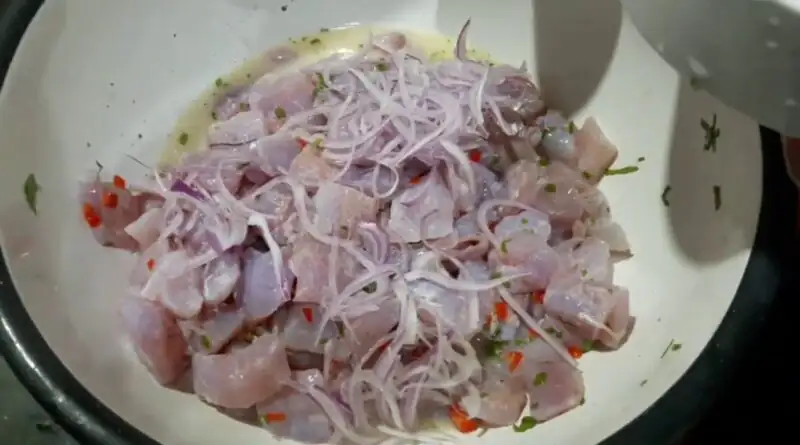
Squeeze the lemons and pour the juice over the fish until it's completely covered. The acidity of the lemon will "cook" the hake, changing its color and texture. Let this mixture rest for about 10 to 12 minutes. No more time is necessary, as hake is a delicate fish and can easily overcook.
While the fish is marinating, prepare the red onion cut into fine julienne strips and soak it in cold water with a little salt for a few minutes to remove excess acidity and bitterness, achieving a milder and crispier flavor.
Next, remove the onion from the water, drain it well, and add it to the marinated fish. Stir in the finely chopped aji limo pepper and garlic. Mix carefully to combine all the ingredients.
Finally, add the chopped cilantro and adjust the salt if necessary. Mix again and let it rest for a couple of minutes before serving so the flavors can meld.
Tips for a perfect hake ceviche
To achieve a hake ceviche that stands out for its flavor and texture, it's essential to keep a few details in mind during preparation. Here are some recommendations that will make all the difference:
- Use fresh hake: The quality of the fish is essential for a good ceviche. Look for a fillet that is firm, has no unpleasant odor, and is translucent in color.
- The lemon should be freshly squeezed: Avoid bottled or concentrated juices, as they alter the authentic flavor and may contain preservatives.
- Don't over-marinate: Hake is a white, mild fish that cooks quickly with lemon. If you leave it for too long, it can become rubbery.
- Personalize the spiciness: Aji limo is the classic for Peruvian ceviche, but you can vary it with aji amarillo or aji charapita to give it a different touch.
- The side dish is key: Boiled sweet potato and chulpe corn or cancha provide that sweet and crunchy contrast that complements the dish.
Variations and tips to enrich your hake ceviche
Ceviche is a versatile dish that can be adapted to suit personal taste and available ingredients. Here are some ideas to give your hake ceviche an interesting twist:
Add corn: Peruvian corn, with its large, sweet kernels, is a traditional accompaniment that adds texture and flavor. Simply cook it beforehand and serve it alongside the ceviche.
Add a touch of grated ginger: For those who enjoy fresh and slightly more complex flavors, a little grated ginger in the mix can add a special aroma.
Incorporate scallions: Adding chopped scallions at the end provides a mild and fresh contrast that balances the intensity of the chili.
Use other citrus fruits: You can experiment with orange or tangerine juice mixed with lemon for a sweeter and less acidic flavor.
Nutritional benefits of ceviche made with hake
Besides being a culinary delight, this dish is a very healthy option to include in your diet. Hake is a white fish with a low fat content, ideal for those looking to eat healthily without sacrificing flavor.
Ceviche provides high-quality protein, essential for tissue maintenance and repair. In addition, lime is a natural source of vitamin C, which helps strengthen the immune system and improves the absorption of iron from the fish.
Regular consumption of ceviche can contribute to a balanced diet, as it combines fresh, low-calorie, and nutrient-rich ingredients. It is also an excellent alternative for those who wish to enjoy Peruvian cuisine without consuming fried or heavy dishes.
How to serve ceviche for an authentic experience
Presentation is key to fully enjoying this dish. Traditionally, Peruvian ceviche is served with slices of boiled sweet potato and toasted corn kernels, which add texture and complementary flavor.
Serve the ceviche on a wide plate or in a glass dish to appreciate its vibrant colors. Place the sweet potato on the side and the chulpe corn in a small bowl or scattered over the plate. You can add a few lettuce leaves for garnish and freshness.
In addition, it is common to accompany ceviche with a very cold beer or a chicha morada, which balance the acidity and spiciness of the dish, making the experience more pleasant.
Why choose hake to prepare ceviche?
In Peruvian cuisine, there are various options for making ceviche, from sea bass to sole or local white fish. However, hake stands out for several reasons that make it an excellent choice:
- Soft and firm texture: Hake has a flesh that remains firm when marinated but is soft on the palate, ideal for those who prefer a less fibrous ceviche.
- Delicate flavor: Its flavor is less intense than other fish, allowing other ingredients such as lemon, chili pepper and onion to stand out more.
- Availability and affordable price: In the Peruvian market, hake is usually more economical and easy to find throughout the year, making it easy to use in homemade preparations.
- Low fat content: This makes it suitable for healthy diets and for those who wish to avoid fish with very strong or fatty flavors.
Because of these characteristics, hake has become a versatile option for those who want to enjoy a fresh, nutritious and very tasty ceviche without complications.
Tips for buying and storing hake for ceviche
When buying hake to prepare ceviche, it's essential to choose a fresh product to guarantee the safety and quality of the dish. Here are some tips:
- Buy hake from trusted sources, preferably markets that rotate their product daily.
- Check that the fillet is moist but not slimy, pearly white in color and without dark spots.
- Avoid fish with a strong or unpleasant smell; the aroma should be fresh and marine.
- If you are not going to prepare the ceviche immediately, keep the hake in the refrigerator at temperatures between 0 and 4 degrees Celsius.
- To keep it fresh, you can store the fish in a container covered with ice and change it regularly.
By following these recommendations, you will ensure that the ceviche turns out perfect and safe to eat.
Related recipes you can try at home
If you loved this easy and quick hake recipe, you can venture into preparing other ceviche variations that are also very popular in Peru and that add diversity to your culinary repertoire:
Mixed ceviche: Combines hake with seafood such as shrimp, squid and black clams, for a more complete and flavorful dish.
Black clam ceviche: A delicacy from the northern coast of Peru, ideal for those who enjoy intense and marine flavors.
Fish ceviche with tiger's milk: Tiger's milk is the juice resulting from marinating the fish with lemon, chili pepper, and other ingredients. It can be prepared separately and serves as a refreshing and potent appetizer.
These options will allow you to explore and enjoy even more of Peru's rich gastronomy from the comfort of your home.
Final tips for an unforgettable hake ceviche
To conclude this comprehensive guide, here are some tips to help you perfect your recipe and surprise your guests or family with an exceptional ceviche:
- Always use fresh, quality ingredients for an authentic flavor.
- Marinate the fish for just the right amount of time, making sure it doesn't get overcooked.
- Balance the amount of chili pepper well so that the spiciness does not overpower the other flavors.
- Serve immediately after preparation to enjoy the ideal freshness and texture.
- Experiment with accompaniments and presentations to give it your personal touch.
With these tips and the detailed recipe, you're ready to prepare a hake ceviche that everyone will love. Enjoy your meal and savor the taste of Peru at home!