6 Foods To Order When You're At A Diner And 5 To Avoid
On the flip side, other menu items may fall short. Vintage diner foods that aren't popular anymore , steak dinners that arrive overcooked, or unappealing salads that have seen better days. Sometimes the soup of the day is inspired, but more often than not, these specials are meant to move produce that didn't sell.
On the flip side, other menu items may fall short. Vintage diner foods that aren't popular anymore , steak dinners that arrive overcooked, or unappealing salads that have seen better days. Sometimes the soup of the day is inspired, but more often than not, these specials are meant to move produce that didn't sell. The reason we go to diners is for reassuring, reliable comfort food, not wild flavors or trendy dishes. Consider this your road map to what to order with confidence and what to skip without any regret.
Order: Pancakes
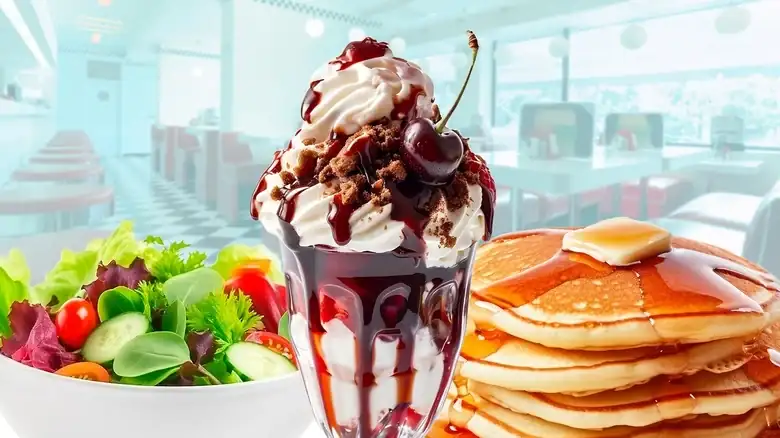
You aren't imagining it. Pancakes at a diner typically taste better than the ones you make at home. (Although it only takes three ingredients to whip up your own pancakes.) For many, flapjacks are the heart of the diner ritual. Settling in with your cup of coffee and waiting to dig into that fluffy stack drizzled with syrup and butter is the highlight of the experience. There are several reasons why diner pancakes are better. First off, restaurants aren't light-handed with the good stuff. Diner pancakes tend to have significantly more butter, sugar, and tangy buttermilk than what you'd use in your kitchen. This makes the batter richer and the mouthfeel more enjoyable. Diners also cook on seasoned flat top griddles, which are basically built-in flavor bombs. Your non-stick pan at home doesn't stand a chance. Some diners add malted milk powder to their flapjack m
Avoid: Soup of the Day
Something warm and filling, like a steaming bowl of soup, seems like a good idea and is also easy on the pocket. However, you won't always get what you expect, and in this case, the truth might cause you to lose your appetite. The soup of the day is often a great way for restaurants to utilize their leftovers. Extra veggies, scraps of meat, and yesterday's chicken are thrown into a pot and left to simmer. It does help to reduce wastage, but it also means that you may end up eating a hodgepodge of not-so-fresh ingredients. Chef Gordon Ramsay's advice is to ask about yesterday's soup of the day. If it's the same as today's, he suggests you skip it. Another red flag is if the daily soup menu rarely changes. An ideal soup of the day should reflect fresh and seasonal ingredients along with the chef's expertise and ingenuity. If a diner only serves up tomato soup or c
Order: Patty Melt
Pancakes may be a diner breakfast staple, but the lunchtime star is hands down the patty melt. Proof that simple ingredients can be transformed into the best meals, the patty melt pairs a beef patty with Swiss cheese, caramelized onions, and rye bread. The entire creation is then grilled to golden perfection. A mashup of a cheeseburger and a grilled cheese sandwich, the patty melt delivers all the familiar comfort you crave, along with a delectable crunch in every bite. A taste of pure Americana, the patty melt originated in the late 1940s at Tiny Naylor's coffee shops and drive-ins. Before long, it was a diner staple from coast to coast. Unlike burgers, where toppings and buns have morphed with the times, the patty melt is famed for its consistency. You know exactly what you're getting when you order one. And at a diner, it reaches you crisp from the flat top grill
Avoid: Salads
As restaurant-goers increasingly make more health-conscious choices, salads have become a popular alternative to traditional meals at diners. While a salad may seem like a good break from the typical fare, it might be the worst item on the menu. Firstly, you have to consider food safety. According to the CDC, leafy greens are one of the most common carriers of foodborne diseases. Greens risk contamination at every point of their journey from the field to your plate, and since they are served raw, the bacteria live on — even if the veggies have been pre-cut and bagged. Slimy arugula, limp iceberg lettuce, and wrinkled tomatoes are all signs that your salad has seen better days. The greens on your plate are likely some of the least expensive ingredients in the kitchen, but they've been marked up substantially when served as a salad. With some added cheese and dre
Order: Chicken-Fried Steak
For Southern comfort at its finest, don't miss out on the chicken-fried steak the next time you're at a diner. Despite the name, chicken-fried steak does not contain chicken. What you'll actually get is a tender cut of steak that has been dipped in seasoned flour, dunked in egg or buttermilk, dredged through the flour again for extra crunch, then fried till golden brown. The process is similar to how you'd prepare fried chicken, hence the name. This intriguing dish has roots that can be traced back to the early wave of Austrian and German immigrants to the United States. Adapting their beloved Wiener schnitzel to local ingredients, the recipe soon began turning up in cookbooks and restaurants across the country. There's even a Chicken Fried Steak Day celebrated in Texas, a testament to the fan following this plate inspires. What makes it a must-have is the bala
Avoid: Daily Special
The daily special implies a dish with singular quality, something apart from the regular menu fare. Ordering a diner's daily special might seem like a good idea, a chance to try something different for a change. But different doesn't necessarily mean better, and in the diner, this special is often a gamble. In some cases, the chef may offer a really creative dish with seasonal ingredients, but the special is usually focused on using up leftovers. Advertising it as a special helps move products that are potentially going bad, not unlike supermarkets selling nearly expired products at steep discounts. Chefs have many ways of disguising the fact that the ingredients have been sitting around for a while. A little extra seasoning, a heavier sauce, or a slow cooking process will leave you none the wiser. Seafood specials, in particular, are best to avoid. Since restaurants rar