Mushrooms grown in space and their impact on the future of food
Scientific experimentation is immersed in out-of-orbit explorations that could advance the future of sustainable food. One such exploration is the cultivation of mushrooms in space through an experiment called 'Mission MushVroom,' in which scientists are testing whether mushrooms can thrive in microgravity.
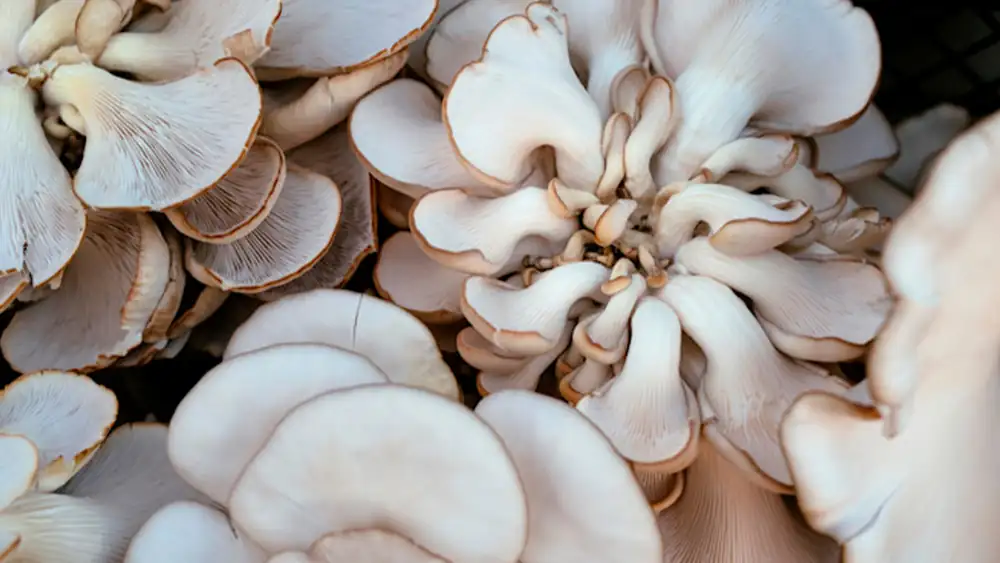
Led by Dr. Flávia Fayet-Moore, a space nutritionist and CEO of FOODiQ Global, the mission began with blocks of colonized substrate and mycelium tubes to observe how oyster mushrooms colonize and fruit in space. “Edible mushrooms like oysters offer unique agricultural applications and nutritional benefits, making them the perfect space crop,” says Fayet-Moore. “They grow quickly in confined spaces, require minimal resources like water, and don’t need sunlight to grow. Plus, they’re fully edible and help close the loop on plant agriculture.”
Unlike other crops grown on land, mushrooms fit the "grow, pick, and eat" model, ideal for space missions without cooking facilities. They are also a source of nutritional energy, providing 100% of an astronaut's daily vitamin D requirement.
In parallel, the scientific team is also investigating possible physical, biochemical, or genetic differences compared to fungi cultivated on Earth. “If we are able to grow mushrooms and other crops in these confined and controlled environments, urban agriculture could advance here on Earth,” says Fayet-Moore. “Faced with the challenge of feeding 10 billion people by 2050, this type of research could be a game-changer.”