Why pear and almond work so well together: the recipes that best prove it
Juicy and crisp. Floral and toasty. Sweet, but not too much. Pear and almond seem to have little in common until they appear on the same plate. Then something curious happens: one makes the other more interesting.
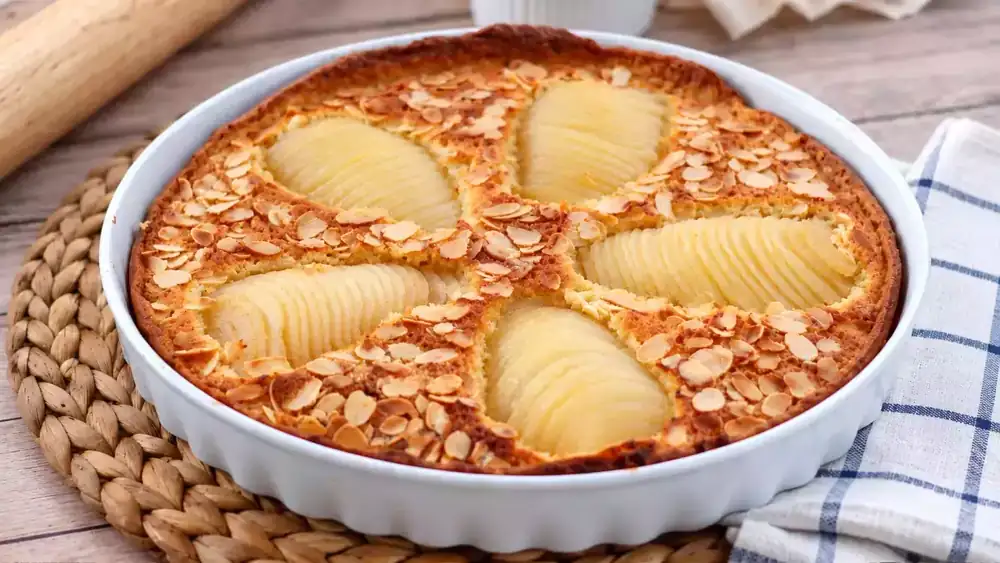
It's not exactly a recent discovery. We find them together in tarts, cakes, crumbles, puff pastries, and all kinds of desserts. French pastry chefs have long been placing slices of pear on frangipane, that rich almond cream, with the confidence of someone who knows the combination is unlikely to fail.
But you don't need to bake a cake to see this. A ripe pear and some freshly toasted almonds are enough. A bite of each explains much of what cooking has been taking advantage of for years: flavors that complement each other and textures that contrast just enough.
Pears are delicate, and that matters
Some fruits enter a plate demanding attention. The pear usually behaves differently.
A good pear can be floral, honeyed, slightly green, and fragrant. Its sweetness is noticeable but generally less exuberant than that of other ripe fruits. Even its texture has something understated: juicy and tender, with that characteristic small graininess that appears when you bite into it.
That's precisely why it needs companions that can complement it without overpowering it. Almonds fulfill that role well. Raw, they are smooth and slightly sweet; ground, they add a creamy texture; roasted, they acquire much deeper aromas. They can shift their character without necessarily dominating the fruit.
Together they don't produce a new and strident flavor. Rather, the opposite occurs: the almond seems to complement the pear.
There is affinity, but also contrast
Part of the understanding comes from the aroma. The pear contains a complex mixture of compounds responsible for its fruity and floral notes, and among them, aromas vaguely reminiscent of almond may also appear.
But finding a single molecule that explains a culinary combination would be too simplistic. The interesting things also happen in the mouth.
A ripe pear contains a lot of water. An almond, fat. One yields easily when bitten; the other can crunch. One refreshes; the other lingers. Each provides precisely what its counterpart lacks.
Let's consider a pear and almond tart. The almond cream is dense, rich, and enveloping. The pear slices add moisture and freshness. Something similar happens in a crumble, but in a different way: underneath we have soft, juicy fruit; on top, a dry, golden, and crunchy topping.
The combination works before we even talk about shared aromas because it's pleasant to bite into.
And then the oven arrives.
The heat especially improves this couple.
As it toasts, the almond loses some of its subtlety. More intense, warm, and toasted aromas emerge. The pear also transforms: it softens, its sweetness intensifies, and its fresh notes give way to a more mellow character.
It is precisely at that point where both seem to be getting closer.
That's why pear, almond, and oven make a particularly reliable trio. The fruit provides the moisture that an almond cake needs; the almond provides the fat and structure that complement a roasted pear; and the golden-brown crust adds another layer of flavor to both.
Furthermore, it has a much-appreciated quality at home: it lends itself to enjoyment without requiring much fuss. A simple dough with ground almonds can hold halved pears and, after baking, transform into a dessert that appears far more elaborate than it actually is.
They may also need a little tension
A good partner is not always enough to create a good dish.
Ripe pear, almond, butter, and sugar can be delicious, but they can also accumulate too much sweetness and fat, making the dessert monotonous. That's where the third ingredient comes in, not seeking the spotlight, but rather to bring order.
A squeeze of lemon is perhaps the most obvious solution. Its acidity cuts through the richness and brings out the fruit's flavor. The zest also adds aroma without overpowering the pear's taste.
A pinch of salt does another silent job. Vanilla can round out the flavor; cardamom can take it into more aromatic territory; and dark chocolate can introduce the missing bitterness.
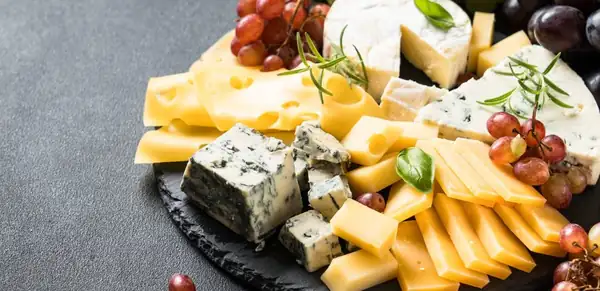
A pairing as well-established as this even allows you to forgo dessert altogether. A fresh pear, toasted almonds, and blue cheese work precisely because they introduce a new dynamic: sweet and savory, rich and fresh, soft and crunchy, all in a single bite.
The pear you choose also changes the result
Not all pears behave the same, and we don't need the same fruit for everything.
For baking, a ripe but still firm pear is usually best. We want it to have flavor, but also to retain some structure after cooking. A pear that's too green can be bland and hard; an overripe one, on the other hand, can fall apart and release more liquid than desired, although that level of ripeness is ideal, for example, for a compote.
However, if it's going to be served raw, it's worth waiting. A fragrant, truly ripe pear needs very little help: toasted almonds, perhaps something creamy, and a few drops of lemon juice may be enough.
The combination remains the same. What changes is which part of it we want to highlight.
A combination that doesn't need much explanation
We can talk about shared aromas, fat, moisture, and texture to understand why pear and almond pair so well. Everything helps.
But perhaps the most convincing demonstration remains the simplest.
Cut a ripe pear. Toast some almonds until they begin to perfume the kitchen. Eat one first, then the other.
The pear will seem juicier. The almond, more toasted. And that small space that remains between the two, between the fresh and the warm, the soft and the crunchy, is precisely where the combination begins to make sense.