Sake Week at W Budapest
How is the sake assortment put together? On what basis were the specific sakes included in the range?
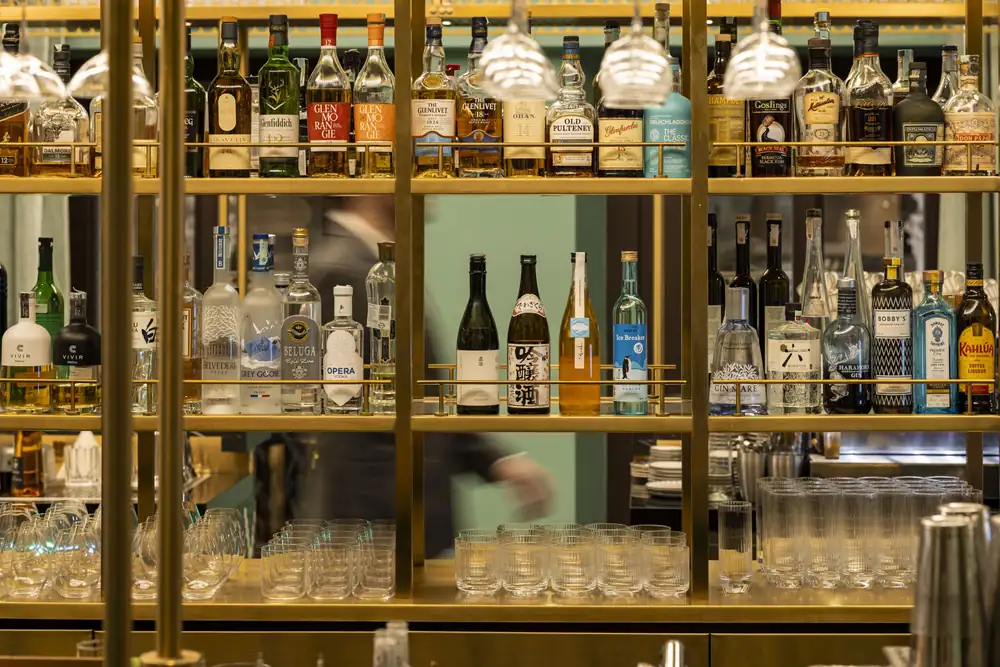
Patrick Luk: Our sake range is a collaboration between W Budapest and FineSake Budapest, created to perfectly complement the sophisticated sushi offerings of W Lounge and Nightingale by Beefbar. From the beginning, our goal was to make W Lounge a cultural meeting place in the city, and that is increasingly becoming the case – so we want to bring as many exciting global influences to our guests as possible.
Was the goal to introduce guests to the more basic types of sake or to introduce them to the specialties?
Dóra Tallián: The selection of sakes is always preceded by a joint tasting. We usually recommend to our partners that they definitely have a popular type of sake, which is captivatingly aromatic, has an easy-to-remember label, and will enchant even those who are about to drink their first sake. In the case of AW Budapest, we also recommended a so-called jolly joker, i.e. a sake that goes with everything, as well as a few different fruit liqueurs that can also be used as ingredients for cocktails.
What should you pay attention to when pairing sushi with sake? How does a rice-based drink affect the pairing rules, and how is it different from pairing it with wine, for example?
Dóra Tallián: Pairing food with sake is more of an opportunity than a challenge. Sake's low acidity and high umami content allow us to create a harmony between food and drink that achieves a natural flavor-enhancing effect. When pairing sushi and sake, we take into account that fresh sushi is basically hand-warm, and if it contains fried ingredients, it is worth raising the temperature of the sake slightly so that the textures slide over each other more beautifully. Certain stronger-tasting, oilier fish can pose a challenge when pairing sake, and there are two ways to deal with these: either use sake as a flavor modifier that washes out the strong flavors, or choose a type of sake that embraces the strong aromas with a similar texture. Regarding the Sake Week menu, FineSake Budapest primarily aimed for harmonious pairing.
In addition to traditional pairings, our mixologists have also created a special Saké Martini, a fresh and innovative way to explore sake in cocktail form.
What was the main consideration when creating the pairings: to highlight a particular flavor, harmonize the ingredients, or perhaps create a contrast?
Patrick Luk: When creating the pairings, we worked together with the FineSake Budapest expert team and our executive chef Jan Nawrocki to create the perfect balance of flavors. Each of our pairings aims to highlight, harmonize or contrast the textures and spiciness of the sushi.
How familiar are Hungarian guests with the world of sake? If someone is even less familiar with or likes this drink, how can tasting a sushi-sake pairing help deepen their knowledge?
Dóra Tallián: To our great delight, sake is becoming increasingly popular in Hungary, and the spread of drinking it in glasses and treating it like wine is a big contributor to this. This is definitely necessary in a culture where the shot glass traditionally used for sake is associated with short drinks, even though it is a completely different type of drink. We encourage consumers to drink it not only with Asian food, but a sushi-sake pairing perfectly illustrates the true purpose of the drinks, namely for people to eat with it, as dictated by Japanese drinking habits. Sake is an elegant and pure drink, you should enjoy it, talk about it and have a good time while drinking it.
Patrick Luk: Our Sake Week selection is designed to be both accessible and immersive, whether you’re new to the world of sake or a long-time fan. With four distinctly different drinks to choose from, guests can choose from a full tasting menu or a selection of two pairings, allowing them to immerse themselves in this exciting world in a flexible and enjoyable way.