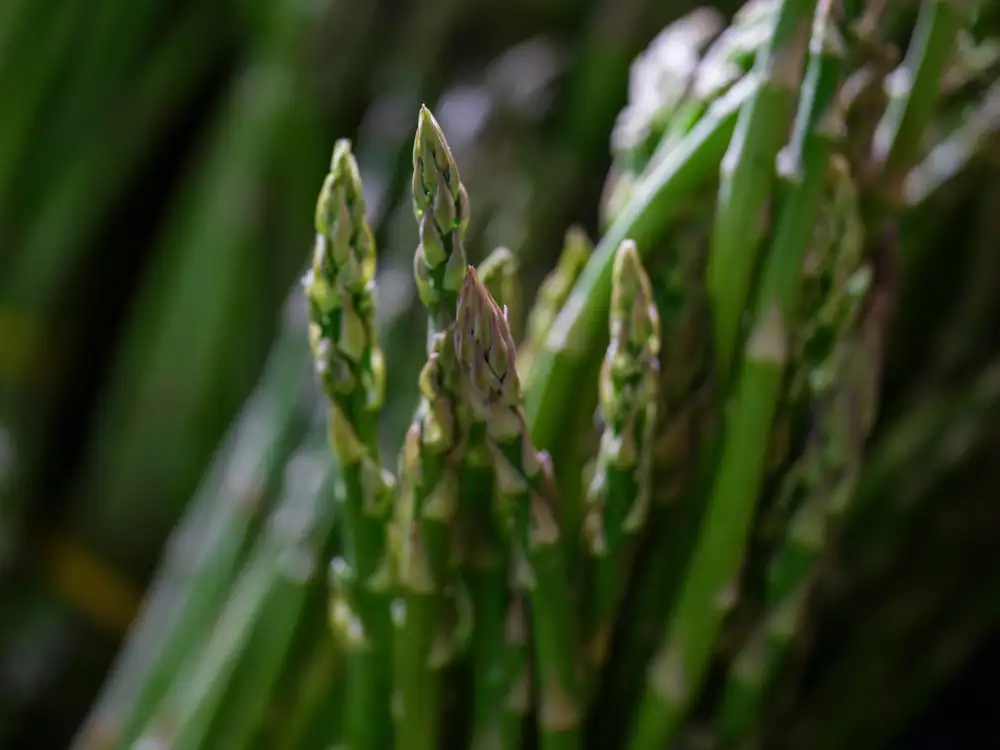
One ingredient, endless approaches: asparagus around the world
Asparagus is one of the most eagerly awaited ingredients of spring – yet it is served in as many different ways as there are homes. In some places it is prepared almost untouched, with just a few gestures, in others it appears as part of everyday cuisine, or it lives on in preserved form, following traditions.
The history of asparagus dates back to ancient times. It was considered a special delicacy in the Roman Empire, and in some parts of Asia it was valued for its healing properties. Today, it is no longer defined by status, but by its versatility: from simple, clean preparations to more complex dishes, it naturally moves between different cuisines.
Greece
In Greece, asparagus is prepared simply: steamed and finished with olive oil and lemon. The flavors are clean and direct, in keeping with the balance typical of Mediterranean cuisine.
France
In France, asparagus is often served without much ceremony. The slender, sometimes purple-tinged spears are served with vinaigrette or butter and egg. It's not about the looks, it's about timing—getting the asparagus at the peak of its season.
Italy
Italian cuisine rarely treats asparagus as a stand-alone dish. It appears more often in risottos, pastas, or egg dishes. The brief cooking preserves its texture, while Parmesan, olive oil, or pancetta add depth. It complements rather than dominates.
Spain
In Spain, especially in Navarra, white asparagus has a long tradition – but it is often served preserved. It is served simply, with olive oil or mayonnaise, reflecting the idea of extending the season.
Denmark
In Denmark, asparagus moves easily between everyday and casual dishes. It can appear in savory pies or alongside poultry, but is often served as a simple side dish. The approach is practical and clean.
Germany
In Germany, asparagus is most often served with potatoes, butter or hollandaise sauce, and sometimes ham. The preparation is based on simple, well-known combinations.
North America
In the United States, asparagus is often baked or grilled, or used in soups. The high heat creates caramelized notes that give it a deeper, more distinctive flavor.
South America
In Uruguay and Argentina, asparagus appeared under European influence and has since become part of contemporary cuisine. It appears alongside seafood, in pastas or in modern vegetable-based dishes, adapted to local tastes.
Poland
In Poland, asparagus is often served with butter, breadcrumbs, and chopped egg. The combination is simple yet full of character, often accompanied by potatoes or a fresh salad.
Asia
In Asia, asparagus has gone from being a medicinal plant to a truly versatile culinary staple. The thinner green varieties are quickly cooked in woks, curries or stir-fried dishes – keeping them crunchy while absorbing intense flavours such as soy sauce and spices.