The French city where you can enjoy a gourmet experience for just one euro
In Marseille, one of France's most diverse and vibrant port cities, a new gastronomic trend is emerging: a rare combination of fine dining and social responsibility.
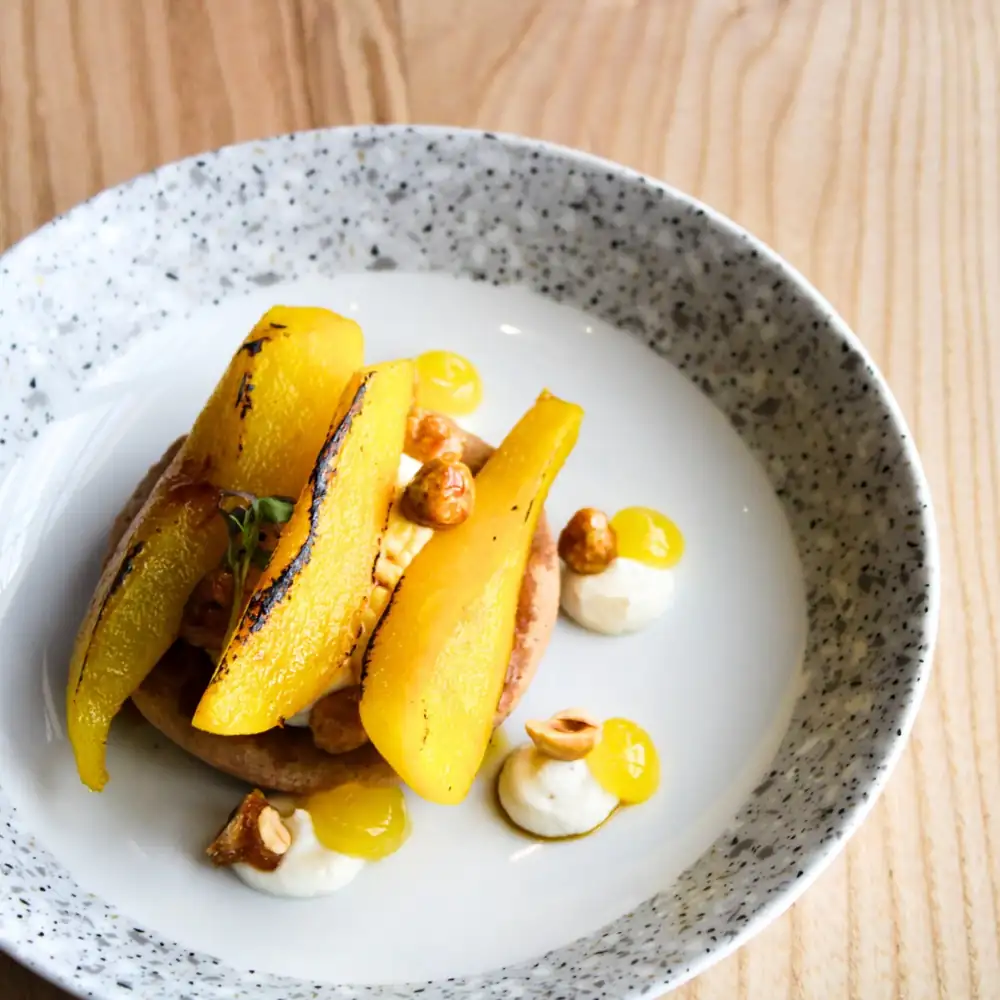
Behind the ornate façade of Le République restaurant, life is already bustling at noon. The menu evokes the character of Provence: smoked bream arrives with sea fennel butter, as if to evoke the city’s salty maritime heritage in one bite. Then comes hay-smoked cheese, wrapped in rice flour – a clean yet deeply aromatic reference to the region’s rural flavors. Guests – tourists and locals alike – enjoy plates composed of organic ingredients by Michelin-starred chef Sébastien Richard.
But Le République is more than just an elegant gourmet restaurant. One of the most unusual aspects of the model is that some guests pay just one euro for a three-course meal – while others pay full price. The restaurant operates as a so-called “restaurant solidaire”: a social enterprise that uses gastronomy as a community tool.
The phenomenon is driven by the same philosophy that has shaped Marseille’s newest solidarity restaurant, Chaleur. According to co-founder Raphaël Raynard, kindness is not a simple gesture, but rather a motivation: to find meaning in one’s work and to make a real impact on the life of the city. The Chaleur team regularly offers espresso to the neighborhood’s homeless, and recently supported a group of striking workers with 300 meals.
According to Chaleur's other founder, Nausicaa Roux, Marseille is often called a "lighthouse city" - this metaphor well illustrates how the concept of restaurants solidaires, or the system of solidarity restaurants, was able to take root here.
The city has been welcoming visitors for 2,600 years: Greek settlers in the classical era, Jewish communities fleeing the Spanish Inquisition, and Armenians who settled in the 20th century have all added to Marseille's cultural and religious diversity. It's natural for residents to feel a sense of responsibility towards one another - especially in a city where one in five people was born abroad.
But the immigrants brought not only their culture but also their flavors. Orange blossom water from the Middle East gives the characteristic aroma of the Marseille navette cake. Dates arrived in Europe through the busy port of Vieux Port, and tomatoes and bananas probably also arrived on the continent via this route.
Food is one of Marseille’s most powerful social connections, stemming from its culinary history. Few neighborhoods need it more than La Cabucelle, the former soap-making district that sits above the Vieux Port. The average income here is €975 per month – around €500 less than the Marseille average – and there are no youth centers or real community spaces.
That's why Léna Cardo opened Le Réfectoire, a restaurant, childcare and community meeting point all in one. The place has been serving organic food since April 2024, while its spacious, whitewashed space also functions as a restaurant, library, nursery and information center.
But what really keeps guests coming back is the food and its quality. The daily menus cost around €12, and the kitchen regularly features guest chefs who share in the profits. Any profits are put back into cultural programs in the area.
Le République is one of more than ten restaurants in Marseille that operate on a similar principle, where gastronomy and social responsibility are closely linked. The model is based on several pillars: in some places, full-price guests partly finance discounted menus, in others, they work with charities to provide subsidized meals. The goal is always the same: to make quality food accessible to those for whom fine dining would otherwise be out of reach.
There are several similar initiatives in the city, such as L'Après M, a former McDonald's that was taken over by laid-off workers after its closure and reopened as a community enterprise. The menu features gourmet burgers inspired by Michelin-starred chefs, while the restaurant also provides free food delivery to those in need.
Marseille's newest restaurant solidaire, Chaleur, opened its doors in June 2025. A hearty lunch with wine in the packed restaurant costs around €25. However, the same menu is available for as little as €8 under a "tarif suspendu" - or suspended price - for those who indicate this.
Marseille is thus opening a new chapter in gastronomy: it shows that quality and solidarity are not mutually exclusive concepts, but two mutually reinforcing sides of the same urban culture.