Tokaji aszú in cocktails – the next big trend in the world of sweet wines?
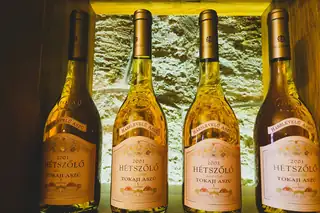
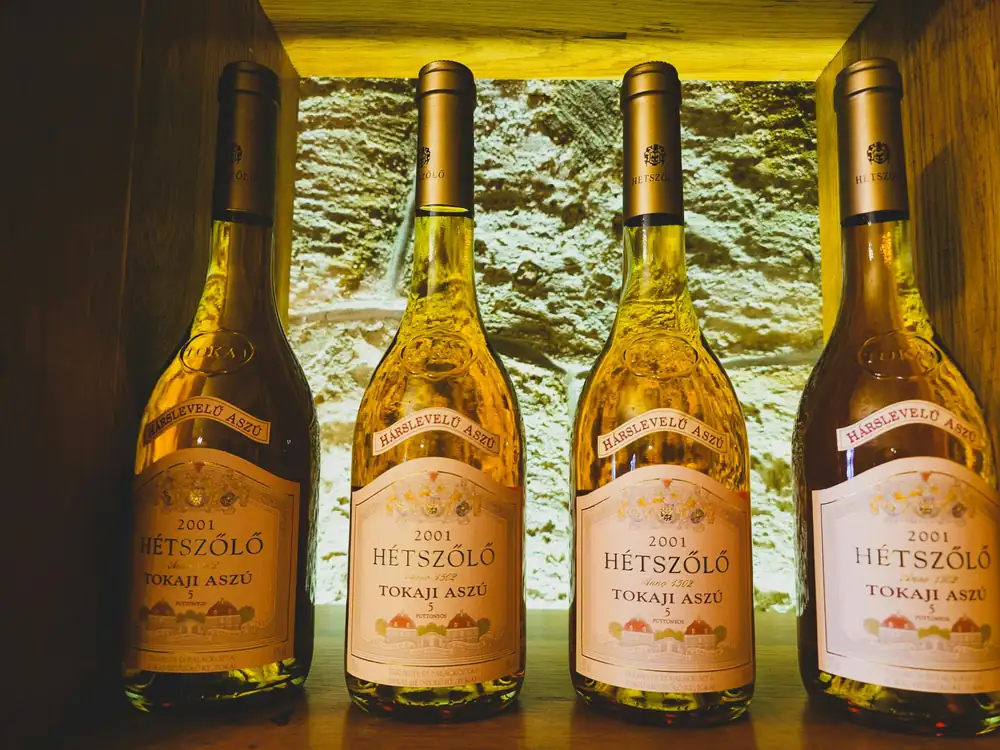
Tokaj Aszú – the king of wines, the wine of kings – has held a special place in the world of sweet wines for centuries. Due to the complexity of noble mold, its concentrated fruitiness and lively acids, it has traditionally been served at the end of meals: a natural accompaniment to blue cheeses, fruity desserts and classic sweets.
Recently, however, more and more people are starting to look at this wine with a long history. Professionals working in fine dining kitchens and high-class bar culture – chefs, sommeliers and mixologists – are discovering the possibilities offered by Tokaji aszú in a new context, going beyond the usual dessert-wine pairings.
The rich, layered flavors of bottles that are perfect for aging work surprisingly well as a cocktail base. Aszú can simultaneously add sweetness, acidity, and character to a drink, while maintaining its elegance. In reimagined versions of classic cocktail recipes, it appears not as a mere complement, but as a defining element of the drink.
“What distinguishes Tokaj Aszú from other dessert wines in the world is primarily its high sugar content. On the other hand, thanks to Tokaj’s microclimate and geographical features, it has a much more complex structure than its competitors. This is precisely why it is a perfect cocktail ingredient. It contains a lot of natural sugar, which it balances out perfectly with its acidity, so it can be used in a wide variety of ways,” says Soma Feke, bar manager at Lazy Lion.
The rich, layered flavors of bottles that are excellent for aging work surprisingly well as cocktail ingredients.
Paired with the right flavors, Tokaji aszú now confidently stands at the beginning of a meal. Paired with playful yet sophisticated appetizers, creative appetizers or small snacks, it shows a new face – one that both pays homage to tradition and fits into the mindset of contemporary gastronomy. The examples of several British restaurants show that aszú is an exciting ingredient not only because of its past, but also because of its present and future.
“I think the more people around the world know about Tokaji Aszú, the better,” says Soma Feke. “Low-alcohol drinks are becoming increasingly popular, and Tokaji Aszú is an excellent base for them. The botrytis notes, sugar, and high acidity make a great base for an exciting cocktail.”
Here are some recipes that give new meaning to the golden liquid:
Lazy Lion, Budapest – Feke Soma.
The classic Vesper Martini is based on gin and vodka, topped with a dash of Lillet Blanc, shaken in a shaker, and garnished with a lemon peel. We have rethought this classic recipe, making it with Patricius 6 puttonyos aszú and adding a very small amount of grapefruit bitters. Instead of lemon peel, we use freeze-dried black currants soaked in maraschino and labdanum for the garnish.
Ingredients
- 30 ml vodka
- 40 ml gin
- 20 ml Tokaji Aszú 6p (Patricius)
- 2 dash grapefruit bitter
- freeze-dried blackcurrants soaked in cherry liqueur
Preparation: Shaken and not stirred!
Ardfern, Leith, Edinburgh – Robert Roy.
A reimagined version of the 19th-century Rob Roy cocktail, which originated at the Waldorf Astoria in New York. At the Ardfern Bar in Edinburgh, the classic vermouth is replaced with Tokaj Aszú, creating a sweeter, more complex ingredient.
The honeyed, spicy character of the Tokaji aszú blends harmoniously with the buttery caramel notes of the whisky, while the cocktail retains its elegant, distinct structure. Ardfern – Leith’s relaxed all-day café, bar and bottle shop – is known for its rich and carefully selected wine list, which works well with simpler snacks, such as sunflower seed hummus or fresh oysters.
This distinctive, high-alcohol drink is best enjoyed after a meal, however. The bar team recommends serving it with creamy Wigmore cheese, honey-fig jam and crispy grilled sourdough bread, which beautifully enhance the depth and texture of the cocktail.
Ingredients
- 45 ml Blind Summit Whisky Glencadam
- 30 ml Tokaji Aszú
- a few drops of orange bitters
- lemon peel
Preparation: Stir the ingredients in a mixing glass filled with ice until the drink is sufficiently chilled and uniform. Strain into a pre-chilled goblet, then gently twist a lemon peel over the glass to release the aromas.
Aszú Sour – interpreted by Alex Dilling.
The two-Michelin-starred restaurant, run by Alex Dilling and housed within the walls of the Hotel Café Royal, reinterprets classic French cuisine with a contemporary approach. This approach is reflected in this cocktail: a clean yet layered variation of the Whiskey Sour, where the Tokaji Aszú is not an accompaniment but a real structural element.
The classic recipe uses Tokaji Aszú instead of the sugar syrup, which adds depth to the drink with its natural sweetness, fruity and honey notes. The acidity of the fresh lime not only highlights the character of the whiskey, but also consciously connects to the food: the cocktail is served with the chef's marinated sardine roll, where the citrusy flavor counterbalances the fattiness of the fish.
The result is a sophisticated balance: a meeting of acid and sweetness, texture and freshness – proof that aszú is not just a dessert wine, but a full-fledged cocktail ingredient.
Ingredients
- large ice cube or ice ball
- 25 ml Loch Lomond Original Single Malt whisky
- 75 ml Tokaji Aszú (3 puttonyos)
- 10 ml freshly squeezed lime juice
Preparation: Gently mix the ingredients in a mixing glass filled with ice, then strain over large ice cubes into a low tumbler glass.
City Social Tokaji – bubbly elegance over London.
City Social, a bar on the 24th floor of Tower 42, is not only a backdrop to the city’s skyline, but also an active source of inspiration. The restaurant’s cocktails reflect London’s diverse drinking culture, while reinterpreting iconic ingredients.
The Tokaji Aszú-based cocktail was created by bar manager Kevin Gomez, building on the harmony of opposites. The golden, peachy-honey sweetness of the Aszú is held taut by lively acids, while the berry-infused vodka adds freshness and depth to the drink. The delicate florality of the elderflower liqueur and the herbal character of the Bénédictine DOM further layer the flavor profile, and the champagne closes the overall effect with a light impetus.
The result is a balanced, elegant cocktail that is enjoyable on its own, but works especially well with clean, delicate seafood dishes, where the aromas and acids playfully reinforce each other.
Ingredients
- 25 ml Tokaji Aszú
- 50 ml fresh berry-infused vodka
- 7.5 ml elderflower liqueur
- 7.5 ml barackpálinka 7.5 ml Bénédictine DOM
- champagne, for topping
Preparation: Combine the vodka, liqueurs, peach brandy and Tokaji aszú in a mixing glass. Carefully pour the mixture between two containers to allow it to air out and cool slightly, then strain into a chilled goblet. Finally, gently top up with champagne and garnish with fresh berries or a thin slice of citrus peel.