Mascarpone Cheese Cake
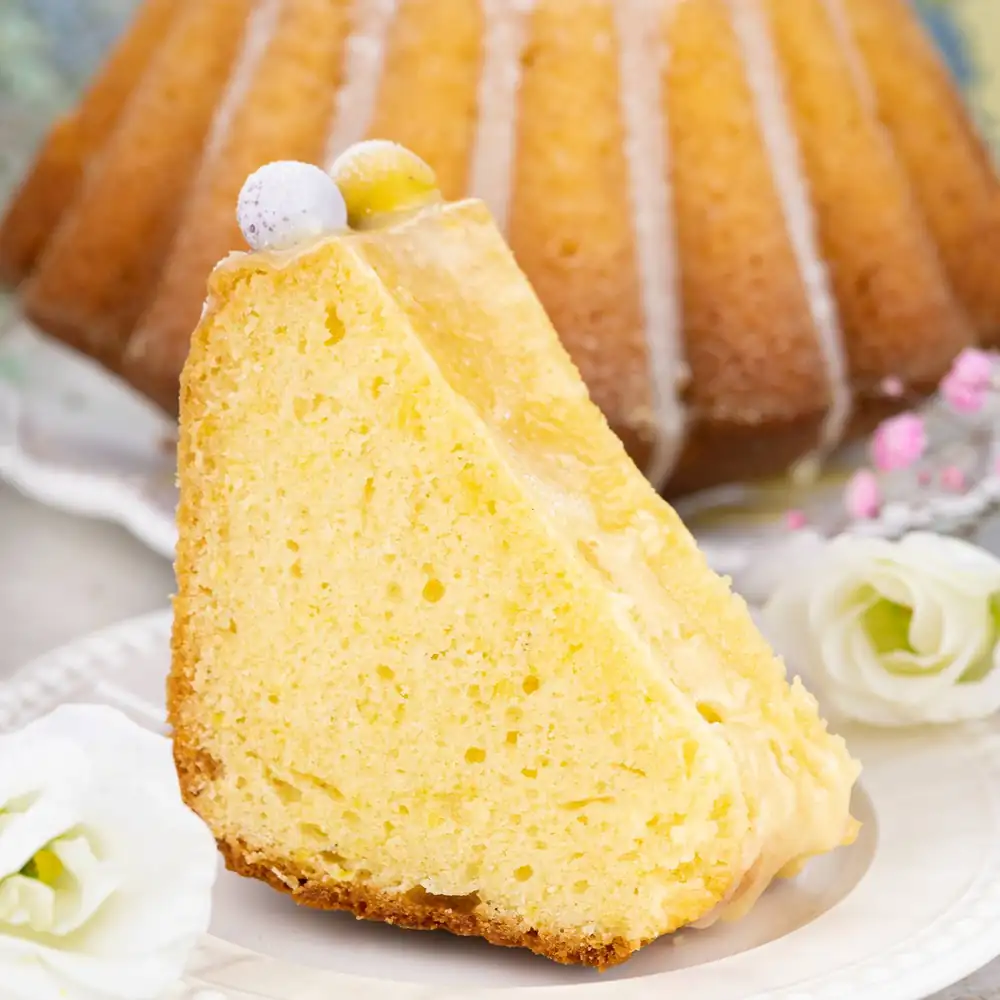
This mascarpone cake is a delicious, aromatic, and velvety cake that you can bake not only for Easter. The recipe is very simple, so anyone can make it.
- only the necessary ingredients - it can be baked not only in a cake tin - a very detailed description of the preparation and a handful of tips
Preparation time: 20 minutes Baking time: 55 minutes Number of servings: a cake weighing approximately 1065 g In 100 g of dough: Energy value 396 kcal Carbohydrates 39 g - Of which sugars 19 g Protein 6 g Fat 24 g Diet: vegetarian.
- 300 g cake flour - less than two cups
- 250 g mascarpone cheese - classic, smaller package
- 4 large or 5 small eggs - about 260 g after breaking
- 200 g fine sugar - about 4/5 cup
- 150 ml oil, about 3/5 cup
- baking powder 2 teaspoons
- grated lemon peel 1 pc
Babka with mascarpone cheese
My glass has a capacity of 250 ml. A bundt pan has a capacity of approximately 2000 ml. This can be a bundt pan with or without a chimney. You can also use any other pan or springform pan with a capacity of approximately 2000 ml. Bake on the top or bottom rack; use the middle or slightly lower rack in the oven; preheat the oven to 175 degrees Celsius (350 degrees Fahrenheit). For convection, set the temperature 10 degrees Celsius (350 degrees Fahrenheit). Remove the eggs and mascarpone cheese from the refrigerator in advance, as they need to reach room temperature.
Before preparing the mascarpone cake, I encourage you to read the entire post first to prepare for the next steps in advance.
Prepare 250 grams of Italian mascarpone cheese. This will be one smaller package. To make it easier to incorporate the mascarpone into the batter, I recommend mixing the mascarpone cheese for a moment. This will loosen its texture.
Start preheating your oven now: top/bottom baking option; middle or slightly lower oven rack; temperature: 175 degrees. For convection, set it 10 degrees lower.
Crack five small eggs or four very large eggs (I used a total of 260 grams after beating) into a bowl and add 200 grams (about 4/5 cup) of caster sugar or optional powdered sugar. Beat the sugar and eggs with a mixer at high speed until the sugar is completely dissolved in the eggs. The mixture should be light and fluffy by the end of the beating process. Beating can take up to 10 minutes (up to 5 minutes with a good mixer).
Towards the end, reduce the mixer's power to medium speed and slowly pour in 150 ml of light vegetable oil for frying and baking. This should take no longer than 15 seconds. Turn off the mixer.
To the bowl with the sweet egg whites, add 250 grams of mascarpone and 300 grams of cake flour mixed (preferably with a whisk) with two teaspoons of baking powder. Finally, add just about two tablespoons of freshly grated lemon, lime, tangerine, or orange zest. Mix thoroughly, but slowly and gently with a spatula.
Tip: You can omit the citrus zest and add the seeds from one vanilla pod or a teaspoon of vanilla paste or essence to the bowl.
Thoroughly grease the inside of a bundt pan (I use a narrow-mouthed one with a 2000 ml capacity) with the remaining oil and dust with breadcrumbs, bran, or plain flour. Pour the batter into the pan.
Place the pan with the mascarpone sponge cake in an oven preheated to 175 degrees Celsius (350 degrees Fahrenheit) (top/bottom heat). Select a rack slightly lower than the middle. Bake for about 50-55 minutes (less or more). After about 45 minutes of baking, check with a wooden skewer to see if the sponge cake is ready. If the skewer comes out clean, you can safely turn off the oven. Don't worry about the sponge cake not being cooked through, and try not to overbake. Baking the cake too long can dry out and lose its moistness. After baking, slightly open the oven door. After 10 minutes, open the door and remove the sponge cake from the oven. After it has cooled slightly (10 minutes), remove the sponge cake from the pan and place it on a cooling rack, for example.
Tip: Place the cake pan on a preheated, thin baking tray or rack. The tray or rack should be positioned so that the cake pan is roughly centered in the oven (not too close to the upper and lower heating elements).
Dust the cooled mascarpone cake with powdered sugar or decorate it with icing and, for example, chocolate eggs in a sugar shell. To make the icing: Pour 3 tablespoons of lemon juice, orange juice, or even plain water into a bowl. Add 10 tablespoons of powdered sugar. I recommend blending the mixture after adding eight tablespoons of sugar to the bowl and checking the icing's consistency. Blend until the icing is perfectly smooth. Place the edible decorations on the icing before it sets.
You can also drizzle the cake with a non-setting icing/glaze made from a tablespoon of mascarpone cheese and a few tablespoons of powdered sugar. Simply place a tablespoon of mascarpone cheese and two tablespoons of powdered sugar in a small bowl. Using the back of a spoon, mash the mascarpone cheese and powdered sugar until smooth. Add more powdered sugar as needed until you reach the consistency you like.
Loosely wrap the baked and cooled mascarpone cheese babka (also with classic frosting) in wax paper and store it in a grocery bag in a cool, dry place. The babka will stay fresh for at least three days (mine was still delicious after four days).
Enjoy your meal.