Nuts in the kitchen – flavors, textures and uses
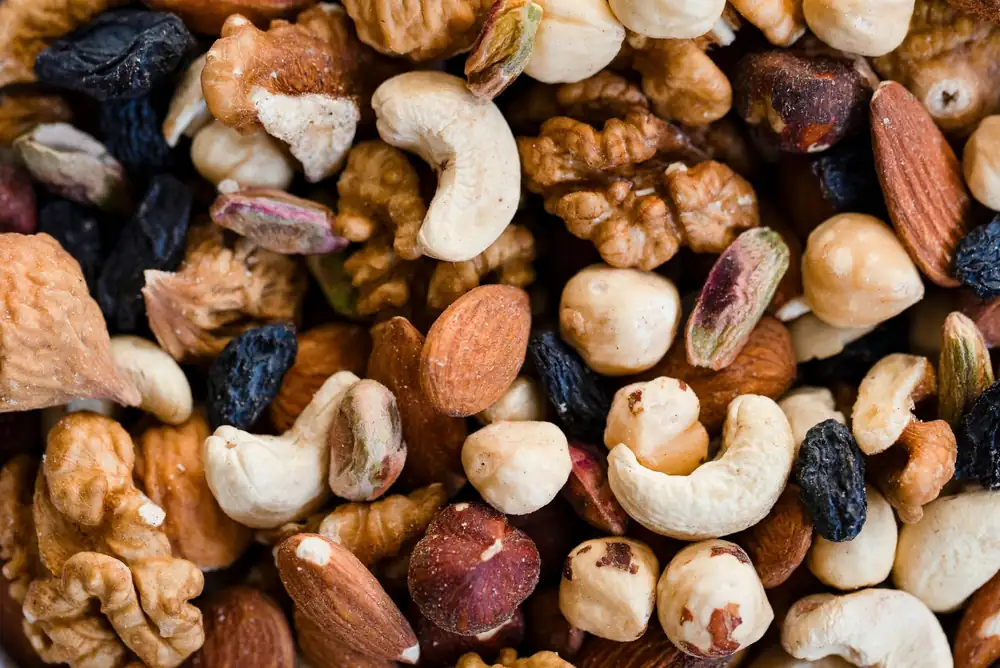
A handful of toasted nuts can be added to salads, soups, or as a snack on their own, but knowing the flavor profiles of each variety can help you incorporate them more consciously into your cooking. From rich, buttery nuts to fresh, aromatic seeds, each can play a different role on the plate.
Acorn
The fruit of the oak tree is rarely seen in the kitchen today, although it was once considered an important food in many cultures. Due to its high tannin content, it is distinctly bitter when raw, so it undergoes various soaking and processing procedures before consumption. When used as flour, it can be used as an ingredient in breads, pancakes and cakes.
Almond
It is a slightly sweet, understated ingredient that works well in almost any kitchen setting. It is a common ingredient in salads, rice dishes, granola, and desserts.
Its uses are extremely versatile: it can be used to make flour, marzipan, almond extract, or simply roasted and served on the plate. Spanish marcona almonds are particularly valued for their rich, round flavor.
Brazil nuts
A large nut with a distinctive texture, most often eaten on its own. Its flavor is relatively subdued, with slightly creamy notes.
Due to its high selenium content, it is a valuable ingredient even in small quantities, but in the kitchen it is mostly used as an additive to seed mixtures and desserts.
Cashew
It is one of the most versatile nuts due to its creamy texture. It can be used not only as a crunchy element, but also as a base for sauces, creams and plant-based preparations when pureed.
It tolerates more intense seasoning well, which is why we often find it in Asian-inspired dishes, curries, or stir-fried wok dishes.
Chestnut
Unlike most nuts, it has a higher starch content, making it softer and less oily in texture. Its flavor is slightly sweet and subdued.
It works well in both savory and sweet dishes: it is a common ingredient in fillings, alongside meat dishes, in gnocchi or desserts. Toasted, it is a classic winter treat, but it also holds its own in more sophisticated restaurant dishes.
Hazelnut
It is an ingredient with a distinctive aroma that can be slightly bitter when raw, but when roasted it reveals deeper, sweeter flavors.
It is a natural partner of chocolate, but it also plays an important textural role in salads, grain dishes and various fillings.
Hickory nuts
Native to North America, it is distinguished by its rich, buttery character. Its flavor is reminiscent of pecans, but more intense, with slightly maple syrupy notes.
Traditionally used ground in cakes and porridges, today we find it more often as a special ingredient in desserts or as a crunchy topping.
Macadamia nuts
Due to its high fat content, it is an extremely creamy, buttery nut. It is of Australian origin, but nowadays it is most commonly associated with Hawaii.
Its rich flavor is particularly effective in cakes, biscuits and chocolate desserts.
Peanut
Although it is commonly classified as a nut, botanically it is actually a legume. It is a popular ingredient worldwide due to its slightly sweet, earthy flavor and high protein content.
It is known both as a snack and in the form of peanut butter, but also plays an important role in West African, Southeast Asian and Chinese cuisines. Its oil is also excellent for frying due to its high smoke point.
Pecan
A close relative of walnuts, it has a softer, sweeter and rounder flavor. Its finer texture makes it particularly popular in desserts.
One of the iconic ingredients of American cuisine, its best-known use is in pecan pie, but it is also excellent roasted in salads and vegetable dishes.
Pine nuts
It is not a nut, but the seed from pine cones, yet it is often classified as such. Its taste is mild, slightly resinous, and its texture is creamy.
It is most often used as a finishing touch to salads, pasta dishes or appetizers. In Italian cuisine, it is a defining ingredient in classic pesto.
Pistachio
Easily recognizable by its characteristic green color, it is an aromatic, slightly sweet ingredient. It has played a decisive role in Middle Eastern cuisines for centuries.
It appears in desserts, such as baklava, as well as in salads, rice dishes, or as an accompaniment to meat dishes.
Walnut
One of the best-known and most versatile nuts. Its earthy, slightly bitter character is given by the tannins it contains, which counteract sweeter flavors particularly well.
It is a classic ingredient in baked goods, such as banana bread or fruit desserts, but it also works well in savory dishes. It is particularly harmonious when paired with roasted pumpkin, Brussels sprouts or leafy greens.