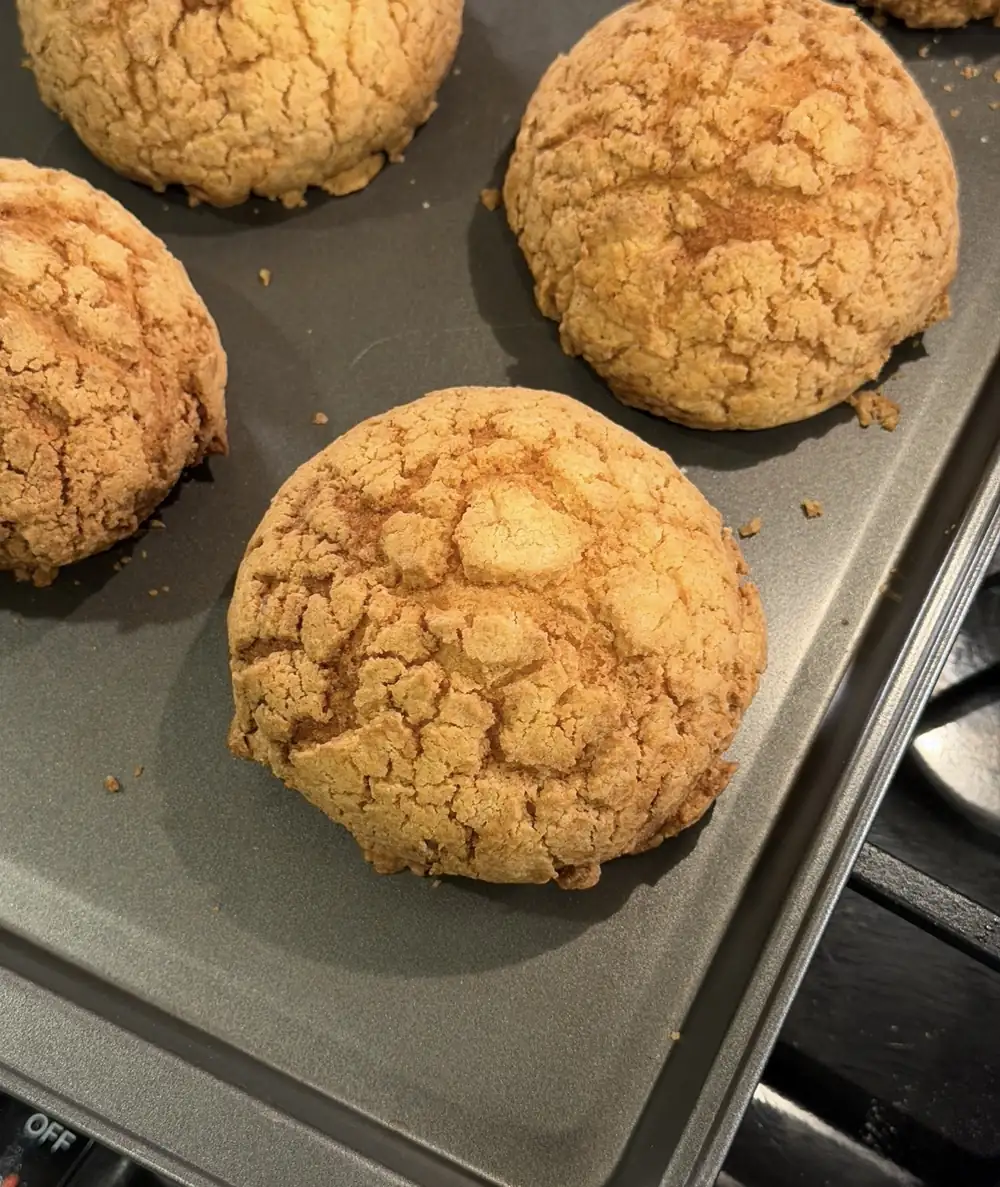
Soboro Bread (Peanut Streusel Buns)
Soboro bread is one of Korea’s most beloved bakery staples – soft, pillowy enriched buns covered in a crunchy, nutty peanut streusel topping that bakes into the most satisfying sweet crunch imaginable.
- 360 g bread flour
- 120 g milk (warmed)
- 100 g eggs (about 2 large eggs)
- 65 g granulated sugar
- 7 g salt
- 7 g instant dry yeast
- 95 g unsalted butter (cold, cut into cubes)
- 100 g unsalted butter (softened to room temperature)
- 30 g peanut butter
- 110 g granulated sugar
- 12 g corn syrup
- 25 g egg (about half a large beaten egg)
- 140 g all purpose flour
- 60 g cornstarch
- 3 g salt
- 3 g baking powder
- Prepare the dry streusel ingredients: In a bowl whisk together all-purpose flour, cornstarch, salt, and baking powder until combined. Cover and refrigerate until ready to use.
- Make the dough: In a stand mixer fitted with a dough hook combine bread flour, warmed milk, eggs, sugar, salt, and instant yeast. Mix on low speed until a rough dough forms, then increase to medium speed and knead for 5-6 minutes until smooth and cohesive.
- Add the butter: With the mixer running on medium speed add cold, cubed butter a little at a time, waiting for each addition to incorporate before adding the next. Once all the butter is added continue kneading for 8-10 minutes until the dough is smooth, elastic, and passes the windowpane test, stretch a small piece between your fingers and it should be translucent without tearing.
- First rise: Shape the dough into a smooth ball and place in a bowl. Cover with plastic wrap and let rise in a warm place until doubled in size, about 1 to 1.5 hours.
- Portion the dough: Once doubled punch down the dough and turn out onto a lightly floured surface. Divide into 12 equal pieces using a kitchen scale for accuracy — about 60 g each. Roll each piece into a smooth tight ball, pinching any seams underneath.
- Bench rest: Place the dough balls on a baking sheet. Cover loosely and let bench rest for 15 minutes. This relaxes the gluten and makes shaping easier.
- Make the streusel: While the dough bench rests work on your streusel. In a separate small bowl beat together softened butter, peanut butter, sugar, corn syrup, and egg until combined. Take the dry streusel ingredients out of the fridge and pour onto your work surface into a mound. Add dollops of the peanut butter mixture directly into the dry ingredient mound. Using your hands toss everything together lightly just until crumbly — this is the most important step. Do not overwork or let the flour get fully hydrated — you want it light, crumbly, and loose, not doughy or dense. Stop as soon as it comes together into irregular crumbles.
- Shape the buns: After the bench rest take one dough ball and flatten it with the palm of your hand, then regroup it back into a ball shape. This degasses it slightly and helps it hold its round shape for coating.
- Dip in water: Set up your station with a small bowl of water and a mound of streusel on your work surface. Dip the top of the dough ball into the water so the surface is lightly and evenly wet — this is what helps the streusel adhere properly.
- Coat with streusel: Immediately press the wet top of the dough ball firmly into the streusel mound with the palm of your hand. Press hard and flat — when you lift it up the streusel should be covering the top in a flat even sheet, not in little balls or clumps. You want a smooth pressed layer that covers the entire top surface. Repeat with all 12 buns.
- Second rise: Place the coated buns on parchment-lined baking sheets. Cover loosely and proof until the dough has doubled in size. The streusel on top makes it harder to see the rise — gently poke the side of the exposed dough with your finger. If the indentation springs back slowly the buns are ready.
- Bake: Preheat oven to 350°F (175°C). Bake for 12-14 minutes until the streusel is lightly golden and set. Do not overbake or the streusel will harden and lose its texture.
- Cool: Let the buns cool on the tray for at least 10 minutes before eating — the streusel needs time to set into that perfect light crunchy texture.
Why You’ll Love This Recipe
- 12 buns per batch — perfect for sharing or meal prepping for the whole week
Soboro Bread: 징그러운 빵
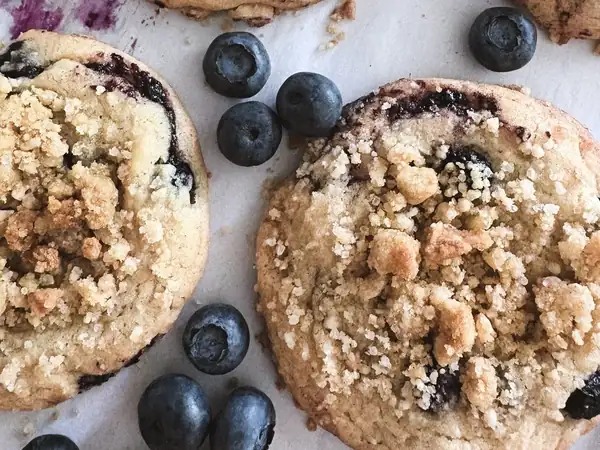
Growing up I called this bread 징그러운 빵, which loosely translates to “gross bread” or “creepy bread.” I would also call it pimple bread, because of all the lumpy bumps from the streusel topping. The name is absolutely not a compliment on the surface, but every single person who has ever tried it will be able to eat three in a row without stopping.
That’s the magic of soboro bread. It looks a little wild, covered in all these irregular bumpy clusters of streusel, and then you take one bite and completely understand why it’s been a Korean bakery staple for decades. The crunch of the peanut streusel against the soft buttery dough is one of those textures you just can’t stop going back to.
Enriched Dough
- 65 g sugar
Peanut Streusel (Soboro)
- 110 g sugar
- 25 g egg (about half a large egg)
The Enriched Dough
This is a rich, buttery enriched dough, I would say in between milk bread and a brioche. The butter goes in last after the initial dough comes together, added gradually so it fully incorporates without making the dough greasy. You’re looking for a smooth, elastic dough that passes the windowpane test (stretch a small piece between your fingers and if it’s translucent and doesn’t tear, the gluten is developed enough). Don’t rush this process, proper gluten development is what gives these buns their soft, pillowy structure.
The Peanut Streusel
The streusel, called soboro in Korean, is what makes this bread iconic. It’s a combination of butter, peanut butter, sugar, corn syrup, egg, flour, cornstarch, and baking powder that gets mixed into a crumbly, slightly sticky dough. The cornstarch is key, it gives the streusel that light, melt-in-your-mouth crunch rather than a hard, dense texture. The peanut butter flavor is subtle and nutty rather than overwhelming. The streusel needs to be the right consistency, crumbly enough to coat the buns but with enough moisture to stick and bake into those signature bumpy clusters.
How To Make Soboro Bread
- Prepare the dry streusel ingredients: In a bowl whisk together all-purpose flour, cornstarch, salt, and baking powder until combined. Cover and refrigerate until ready to use. Keeping the dry ingredients cold is key to achieving a light and crumbly streusel.
- Make the dough: In a stand mixer fitted with a dough hook combine bread flour, warmed milk, eggs, sugar, salt, and instant yeast. Mix on low speed until a rough dough forms, then increase to medium speed and knead for 5-6 minutes until the dough is smooth and cohesive.
- Add the butter: With the mixer running on medium speed, add a little bit of your cubed, cold butter at a time. Continue kneading for 8-10 minutes until the dough is smooth, elastic, and passes the windowpane test, stretch a small piece between your fingers and it should be translucent without tearing.
- Portion the dough: Once doubled punch down the dough and turn out onto a lightly floured surface. Divide into 12 equal pieces (use a kitchen scale for accuracy; about 60 g each). Roll each piece into a smooth tight ball, pinching any seams underneath. Place on a baking sheet spaced 2-3 inches apart. Cover loosely and let bench rest for 15 minutes.
- Make the streusel: While the dough bench rests, work on your streusel. In a separate small bowl beat together softened butter, peanut butter, sugar, corn syrup, and egg until combined. Take the dry streusel ingredients out of the fridge. Pour them out onto your work surface and make a mound. Add dollops of the peanut butter mixture directly into the dry ingredients. Using your hands, toss everything together lightly just until crumbly — this is the most important step. Do not overwork the mixture or let the flour get fully hydrated — you want it light, crumbly, and loose, not doughy or dense. Stop as soon as it comes together into irregular crumbles.
- Shape the buns: After the bench rest, take one dough ball and flatten it with the palm of your hand, then regroup it back into a ball shape. This degasses it slightly and helps it hold its shape.
- Coat with streusel: Set up your station with a small bowl of water and a mound of streusel on your work surface. Dip the top of the dough ball into the water so it’s lightly wet, then press it firmly into the streusel mound with the palm of your hand. When you lift it up the streusel should be covering the top in a flat even sheet — not in little balls or clumps but a smooth pressed layer. Repeat with all 12 buns.
- Second rise: Place the coated buns on parchment-lined baking sheets. Cover loosely and proof until the dough has doubled in size. The streusel on top makes it harder to see the rise — gently poke the side of the exposed dough with your finger to do the poke test. If the indentation springs back slowly the buns are ready.
- Bake: Preheat oven to 350°F (175°C). Bake for 12-14 minutes until the streusel is lightly golden and set. Do not overbake or the streusel will harden.
- Cool: Let the buns cool on the tray for at least 10 minutes before eating — the streusel needs time to set into that perfect crunchy texture.
Storage & Reheating
Storage Store buns in an airtight container at room temperature for up to 2 days or in the fridge for up to 4 days. The streusel will soften slightly over time — that’s normal.
- Baked buns: Freeze in an airtight bag for up to 1 month. Thaw at room temperature then reheat in the oven at 300°F for 8-10 minutes.