What Adding Milk Powder Can Do For Your Baked Goods
Okay, milk powder isn't exactly the most glamorous ingredient. It is milk that has been dehydrated to its most basic elements, just without water. It is often used as a shelf-stable form of milk: Simply add water and stir vigorously until combined.
The low-heat non-fat powdered milk is the most commonly found form of the dairy product. It can be added to baked goods as well as yogurt, sauces, and hot chocolate (both pre-packaged and homemade). The high-heat, non-fat version of powdered milk is less common, but still worth keeping in your repertoire, as it has more protein and a sweeter taste that can greatly benefit baking projects. But what is the benefit of adding powdered milk to baked goods? For starters, it allows you to add all of the taste of milk without adding unnecessary moisture that may make it hard for your baking projects to set. Powdered milk can also improve your baked goods' taste and texture, and even help your loaf of bread reach new heights.
Give your bread a rise
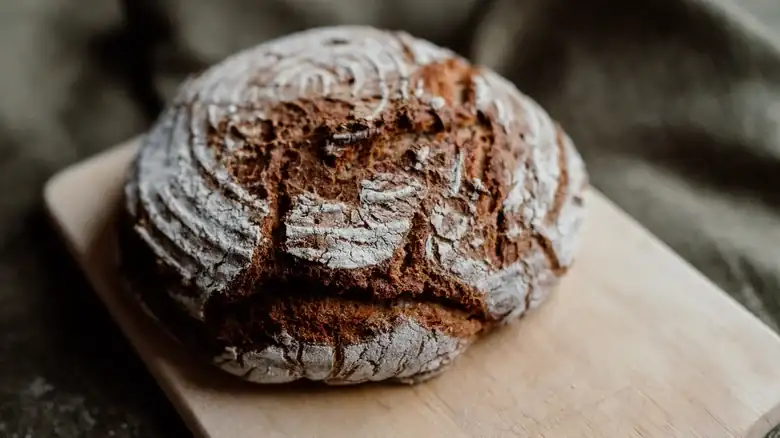
One great use for powdered milk is as an addition to breads. For this, you'll want to use a high-heat milk powder, as it won't stop your yeast or gluten from developing the way low-heat versions of milk powder would. Additionally, high-heat milk powders have a finer consistency, allowing them to more evenly blend in your mix of dry ingredients, which is essential to a good bake. Powdered milk's high protein content will help your bread to rise, as it aids in gluten formation, which helps support bubbles created from yeast production. This will help you create a light, airy structure to your bread.
A chewier, tastier dessert
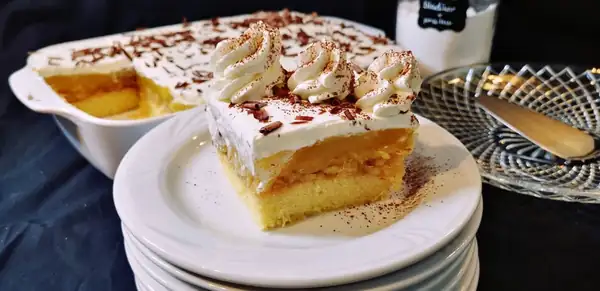
Now to the sweet stuff. Powdered milk can do more than just give rise to your bread. It also makes a great addition to many baked goods, such as brownies, cakes, and cookies. Its high protein content can give your cookies a tender and perfectly chewy texture. Powdered milk can also improve the texture of cake, creating a wonderfully soft texture. Now, you may want to play with your powdered milk variations while baking. Using a higher-fat powdered milk, for example, can further help your baked goods' texture, making your cake or cookies perfectly soft and delicious. But speaking of delicious, milk powder does more than amp up the chew on your chocolate chip cookies (and if chewiness is your main concern, Jacques Torres has the perfect flour trick for your cookies).
Powdered milk can add sweetness and warmth to your baked goods. And you can take this flavor boost to another level by browning your powder. Simply cook in a lined baking sheet at about 280 degrees Fahrenheit for around an hour, stirring every few minutes. This will give your milk powder a toasty taste that can complement many recipes (think brownies, blondies, or even vanilla cake). To take this a step further, you can also add your powdered milk to browned butter, which effectively doubles down on the warmth (just imagine the taste of a powder milk and brown butter-infused chocolate chip cookie or pancake). So don't discount powdered milk as a food of necessity. It might just be the trick to creating your most luxurious bake yet.