Lunch breaks have increased by 368%, and we're back to the “lunchbox”
There's no respite for Italians' wallets, and, in addition to rising fuel, utility bills, and grocery shopping costs, lunch breaks are also complicating workers' finances.
The lunch break, now a luxury for a few
Even the most seemingly frugal options have reached prices that until recently would have seemed unthinkable. For example, someone who chooses to munch on a simple sandwich accompanied by a half-liter bottle of water and a coffee finds themselves spending up to 7 euros. If, however, you opt for a slightly more structured meal with a plate of pasta, a bottle of water, a dessert, and the inevitable espresso, the average bill rises to a whopping 16.19 euros.
Multiplying these figures by the five-day workweek, we get an average weekly expenditure of approximately €81.00, an annual expense that fluctuates between €2,760 and €3,250, depending on whether one indulges in a few full lunches or settles for quicker options. Looking in detail at individual products, we discover that over the last twenty-five years, price increases have hit hard: ice cream has seen a 368% increase, sandwiches have increased by 355%, pizza by 335%, and even the classic half-liter bottle of water has risen by 323%.
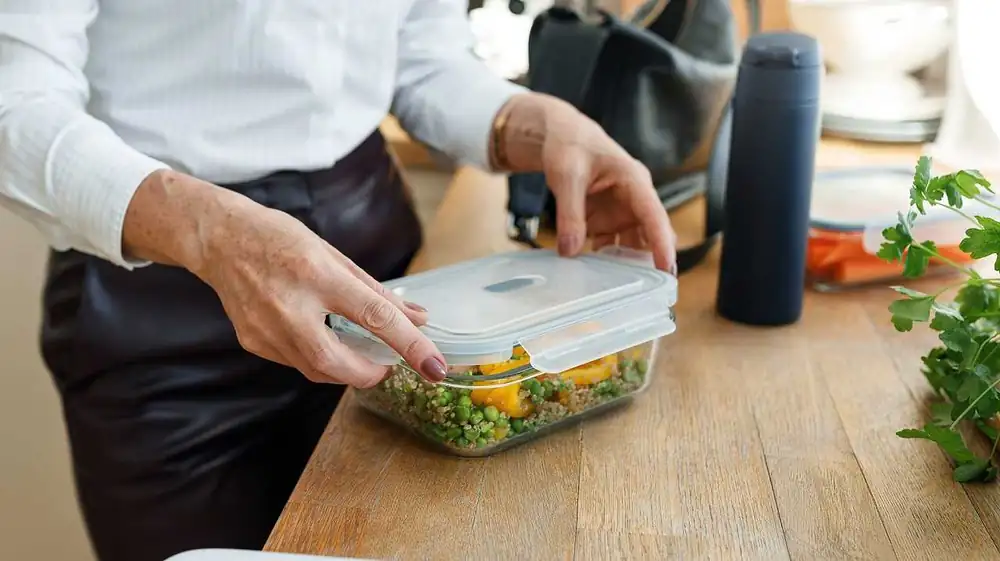
With wages essentially stagnant and general price increases weighing on families, it's only natural for people to look for ways to make ends meet. Some employees are finding refuge in the aisles of supermarkets and large-scale retail outlets, purchasing ready-made meals or single-serving products, but the true king of resistance to the high cost of living remains the good old-fashioned lunch box prepared at home. Bringing lunch from home guarantees a net saving of around 75% compared to trips to the bar or cafeteria, and while an average home-cooked meal costs around €4.90, with a little planning it's possible to further reduce this figure to under €2.
Federconsumatori recommends favoring plant-based ingredients, replacing more expensive animal proteins with legumes, and adopting a few small kitchen tricks, such as cooking spelt or grains in a pressure cooker for several days in a single cooking session, which saves time and even reduces gas bills. These are all useful considerations, of course, but individual efforts by workers are not enough to solve a systemic problem, and the association is raising the alarm, calling on institutions to take decisive action to protect citizens' purchasing power: "First, we are calling for an increase in the value of meal vouchers, which are often completely insufficient given the increases seen in recent years."
Added to this is the urgent need for clarity throughout the entire restaurant and retail supply chain. Not all price increases appear to be justified by mere energy or raw material costs: "We urge close and continuous monitoring of prices charged by bars, cafeterias, canteens, food courts, and large-scale retail outlets. Indeed, the increases recorded are, in many cases, disproportionate to actual operating cost trends and could often be the result of opaque practices and speculative intent." Meanwhile, between imaginative recipes, insulated containers, and budget-friendly lunch breaks, workers continue to adapt, waiting for a more equitable balance between wages and the cost of living.