The Biggest Mistake To Avoid With Homemade Black Bean Burgers
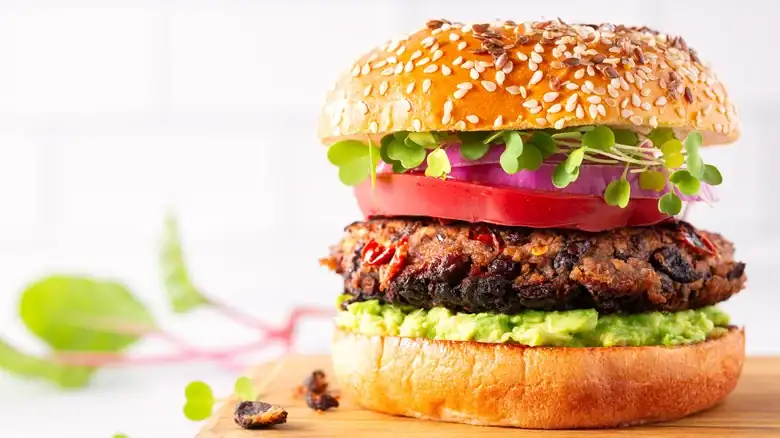
There are a couple of important things to hit when you're making a black bean burger. The first is, of course, flavor; you want the burger to taste good. The next is texture, because the burger needs to have the right mouthfeel.
Luckily, the secret of the structurally superior black bean burger is actually easy kitchen science. There are some tried and true tricks, like using egg and bread crumbs as binding agents. Just as essential and less talked about, though, is our most important tip: Cook out the moisture from your black beans. Whether in the oven or on the stovetop (spoiler: we prefer the oven), this crucial step will help keep your black bean burgers from falling apart — an all-too-common mistake. Bonus: without mushy, watery beans, it will also improve texture and flavor.
Dry 'em out (but not too much)
Canned black beans are, by nature, wet. They're saturated both from the cooking process and from being packed in water as they wait for you on grocery and kitchen shelves alike. When making black bean burgers, this causes a few problems. First, it makes it incredibly hard to shape and then transfer the burgers to the pan. The moisture causes the burgers to glom onto your hands and any surface they touch. Second, that moisture creates a mushy texture that is just less pleasant to eat than a beef burger — or than your black bean burger could be, with the proper treatment.
Most recipes utilize binders like eggs and, in some cases, breadcrumbs. The breadcrumbs will suck up some of that moisture, but by the time you add enough to make a difference, you end up with something more akin to a crab cake or falafel than a good black bean burger. As previously established, beans are wet, but so is egg. And though the egg cooks as a binding agent, it has a hard time holding very damp consistencies together.
To fix this, we turn to the stove. Spread your black beans out on a sheet pan and roast them at 350 degrees Fahrenheit for 10 to 20 minutes, until they dry and crack. It will seem like they'll never stick together in a patty, let alone taste good. Trust us. It will work. And it will solve your meatless burger problems.
Other tips for a great black bean burger
Once you get the consistency down, it's important that you don't sabotage yourself in the other steps. Flavor is critical to a good black bean burger, so try adding in ingredients like mushrooms, diced onion, garlic, or peppers (spice level is the chef's choice; both bell and poblano work well). Don't just chop them up and add them in. By cooking them down first, you avoid the sharpness of the garlic, any potentially undercooked or timid veggies, and it will impart delicious layers of flavor right into your burger. Spice generously, and don't skimp on the salt and pepper.
Next, to add textural interest, consider your binding agents. Don't assume you have to use breadcrumbs — leftover and ground-up oats or even tortilla chips make great alternative binders for your burgers. Chef Anne Burrell favors using cracker crumbs.
Last but certainly not least, make sure to top your burger like a pro. There's nothing wrong with the classic lettuce and tomato, and even some melted cheese, but why not punch it up and make a roasted corn relish? It'll come together quickly while you're waiting for your beans to dry in the oven.